Read next
The latest news, updates and expert views for ambitious, high-achieving and purpose-driven homeowners and property entrepreneurs.



Submitting a planning application may appear to be an administrative exercise, but determination is the stage at which the merits of the proposal are properly tested.
Applications rarely become vulnerable simply because the applicant has misunderstood the submission process. Problems more often arise when the drawings, planning argument and technical evidence do not present a consistent case, or when an issue that should have been anticipated first emerges through an objection, consultee response or the case officer’s assessment.
Determination should therefore not be viewed as a passive waiting period. Validation establishes whether the application contains the information needed to enter the system; consultation brings amenity and technical concerns into focus; the planning officer assesses policy compliance, benefits and potential harm; and the decision records how those competing considerations have been balanced.
An unresolved weakness at one stage may develop into a reason for refusal at the next, while a prompt and properly evidenced response may prevent concerns from becoming decisive.
This guide explains the planning application determination process: what the local planning authority does after receiving an application, what the planning officer assesses, how objections and consultee responses are treated, when amendments may be accepted, and who ultimately decides whether planning permission should be granted.
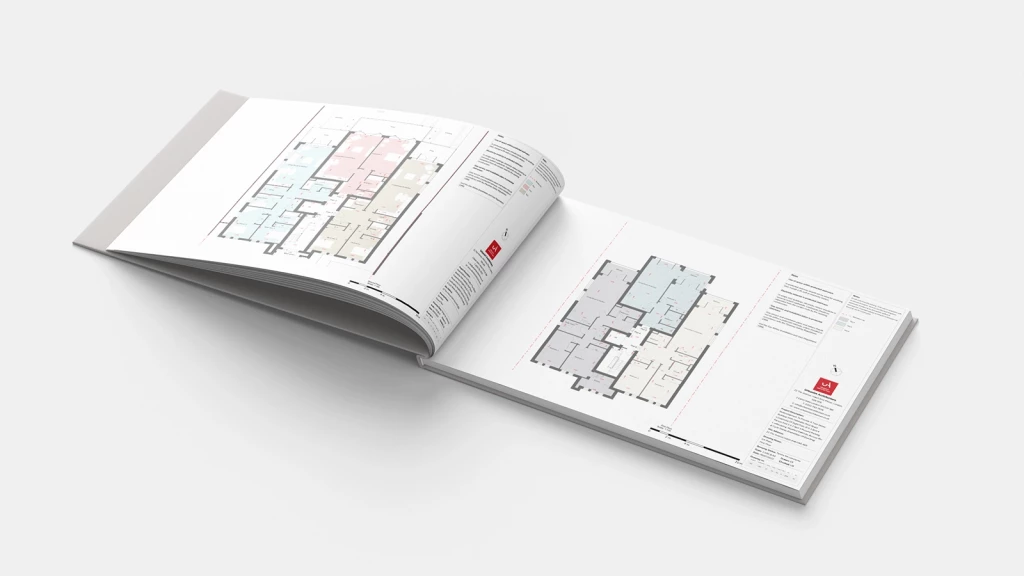
For a typical application for planning permission in England, the process broadly involves:
submission of the application
registration and validation
publicising the application
consultation with neighbours and relevant bodies
assessment by the planning case officer
consideration of representations and technical responses
possible amendments or further information
preparation of the officer's recommendation
determination under delegated powers or, where applicable, by planning committee
issue of the formal decision notice
where permission is granted, compliance with any conditions or planning obligations
These stages do not necessarily happen neatly one after another. Consultation can take place while the planning officer is assessing the proposal, technical responses can arrive at different times, and amendments may trigger further assessment or consultation.
That overlapping process is one reason planning determination is more complicated than simply counting down to an eight-week deadline.
Most planning applications are now submitted electronically, either through the Planning Portal or through the relevant local planning authority's online application system.
Once received, the council registers the application and checks whether it contains the information required to enter the determination process. Under the national application requirements, this normally means the completed application form, the national information requirements, the correct fee and any applicable requirements from the authority's local validation list. The word 'applicable' matters. A long local validation list does not mean that every listed report is required for every proposal, but a complete Planning Portal upload is not necessarily a valid application either.
Depending on the proposal, this may include:
a location plan
existing and proposed planning drawings
ownership certificates
the correct planning application fee
a Fire Statement, where required
a Heritage Impact Assessment, where required
Flood Risk Assessment or Drainage Strategy, where required
Ecological Assessment or Biodiversity Net Gain Assessment, where required
Arboricultural Impact Assessment, where required
Transport Statement, Transport Assessment or Parking Survey, where required
Daylight and Sunlight Assessment, where required
Noise Impact Assessment, where required
Other assessments, surveys, and documents required by the council's local validation list
The precise package is site-specific.
At Urbanist Architecture, we identify the necessary surveys and reports before submission, prepare briefs for the relevant consultants, review their findings and check that their assumptions correspond with the architectural drawings. This is particularly important where heritage, drainage, ecology, transport, daylight or noise evidence may influence the design itself.
This initial stage matters because the formal determination period does not begin until the application is valid. Identifying these requirements before submission is usually quicker and less expensive than discovering during validation that a consultant has assessed a different version of the scheme or that a necessary survey was never commissioned.
Validation is the council's check that it has the information legally required to process and determine the application.
There are two broad categories of requirements.
National requirements apply through legislation and national planning rules. These can include the application form, plans, ownership certificates and particular statements required for certain forms of development.
Local requirements are set by the individual planning authority through its local validation list.
Validation should operate as an evidence gateway, not as an early assessment of whether permission should be granted. A local information requirement should appear on the authority's current validation list, be proportionate to the nature and scale of the proposal and relate to a matter capable of being material to the decision.
In practice, we divide validation requests into three categories: a genuine omission that should be corrected; relevant information that may properly be addressed during determination rather than validation; and a disproportionate or unsupported demand that should be questioned.
Automatically commissioning everything requested can create unnecessary expense and delay. Equally, resisting a legitimate requirement without a sound basis may prevent the application from progressing. The important skill is identifying which situation actually applies.
If the council declares your application invalid, it should explain exactly what information is missing and what must be provided. The quickest response is not always to commission another report or upload another document. The first question is whether the request is actually justified.
The request should be checked against the council’s current local validation list. This means establishing whether the relevant requirement genuinely applies to the proposal and whether the requested information has already been included elsewhere in the submission.
Your architects and planning consultants should then liaise directly with the validation officer. Where the information has already been provided, they can identify the relevant document or drawing. Where the requirement does not appear to apply, they can explain why the scale, nature or location of the proposal does not trigger it and ask the officer to reconsider the request.
In our experience, this direct engagement is often the most effective approach. Validation disagreements frequently arise because a document has been overlooked, the proposal has been misunderstood or a standard requirement has been applied without sufficient regard to the particular development. A clear explanation may resolve the issue without adding unnecessary work or delay.
Where the request is justified, the missing information should normally be coordinated and submitted promptly. Where it remains unsupported after discussion with the officer, an Article 12 notice provides a formal validation-dispute procedure. However, this should generally be treated as a last resort after reasonable attempts to resolve the issue directly with the council have been exhausted.

Once valid, the application enters the formal determination process.
The council will normally:
place the application on its planning register
publish the relevant application details and documents
undertake the required public consultation
notify or consult relevant bodies
allocate the application to a planning officer
begin assessing the planning merits of the proposal
The statutory determination period runs from the valid application date.
For most applications this is eight weeks, while major development normally has a 13-week period and Environmental Impact Assessment development normally has a 16-week period. These are statutory decision periods, not reliable forecasts of how long an individual application will take.
Actual decision times can vary significantly from one London borough to another. Our separate analysis of planning permission timelines in London examines those differences using real application data.
The validation date should be treated as a project-control point. The case officer, consultation closing date, expected technical consultees and any relevant committee cycle should all be identified and monitored from that stage. Validation starts the clock, but it does not manage the application for you.
After validation, the local planning authority must publicise the application and provide an opportunity for representations to be made.
The formal consultation period will normally last 21 days, although the precise period and publicity requirements depend on the application. Anyone can respond to a planning consultation.
One outdated misconception is that every planning application results in neighbour letters, a site notice and a newspaper advertisement.
That is not how the statutory system works.
Different publicity requirements apply to different applications. In broad terms:
many non-major applications require a website notice together with either a site notice or neighbour notification
major development normally requires website publicity, a newspaper advertisement and either a site notice or neighbour notification
Environmental Impact Assessment applications have additional publicity requirements
applications departing from the development plan have enhanced publicity requirements
applications affecting listed buildings or conservation areas can require site and newspaper notices
councils can go beyond the statutory minimum through their own Statement of Community Involvement
The publicity method therefore depends on the application, its location and the development affected.
Expiry of the initial consultation period does not mean the application is ready for a decision: late representations may still be considered, technical consultees may respond on different dates and material amendments may require further consultation.
The important task is not simply to count the responses received, but to identify the planning issues that recur within them and determine whether the submitted design and evidence already provide an adequate answer.
No. Anyone can comment on a planning application, but planning decisions are not referendums.
A petition containing hundreds of signatures does not automatically justify refusal, just as a complete absence of objections does not mean the application must be approved.
The legal position is that local opposition or support cannot, by itself, justify refusing or approving an application. The real question is whether a representation identifies a relevant material planning consideration and whether that concern is supported by the site circumstances, planning policy or technical evidence.
As residential architects and planning consultants who regularly prepare and submit planning applications, we begin by distinguishing material planning considerations from private interests and general opposition. We then test each relevant concern against the drawings, applicable planning policy, the physical relationship between the site and its surroundings, and the supporting technical evidence.
Material considerations may include matters such as:
design and appearance
overlooking and loss of privacy
daylight and sunlight
noise
highway safety
traffic and parking
heritage impacts
effect on a conservation area or listed building
trees and ecology
flooding and drainage
land use
density
planning history
relevant national planning policy
relevant local planning policy
By contrast, matters that are normally outside the planning assessment include purely private interests such as:
loss of property value
loss of a private view
private boundary disputes
restrictive covenants
ownership disputes
competition between businesses
private rights that fall under other areas of law
The correct response is not to argue with every objector individually. It is to identify the underlying planning issue, correct any factual misunderstanding and decide whether the concern requires explanation, further evidence or a proportionate design amendment.
Repetition does not make a weak argument stronger, but one properly evidenced objection concerning matters such as daylight, highway safety or heritage significance may be highly influential.
Some applications require consultation with specialist bodies because the development raises particular technical issues.
Depending on the site and proposal, consultees may include:
the local highway authority
the Environment Agency
the Lead Local Flood Authority
Historic England
the Greater London Authority
Transport for London
the Health and Safety Executive
the Coal Authority
the Forestry Commission
the Gardens Trust
environmental health officers
conservation officers
tree officers
ecology officers
other council departments or external organisations
The consultees involved are determined by the proposal, the site constraints and the relevant statutory consultation triggers. Their responses should be read as a technical risk map rather than treated as a simple collection of approvals and objections.
At Urbanist Architecture, we distinguish between a response raising no objection, a conditional response requiring mitigation, a holding objection seeking further evidence and an objection in principle that may be difficult to overcome. These positions have very different implications for the application.
With limited statutory exceptions, consultees advise the local planning authority rather than determine the application themselves.
Nevertheless, a case officer will rarely disregard an unresolved technical objection without credible evidence. Where a response can be addressed, the answer should normally come from the appropriate architect or technical consultant, respond precisely to the point raised and remain coordinated with the wider design.
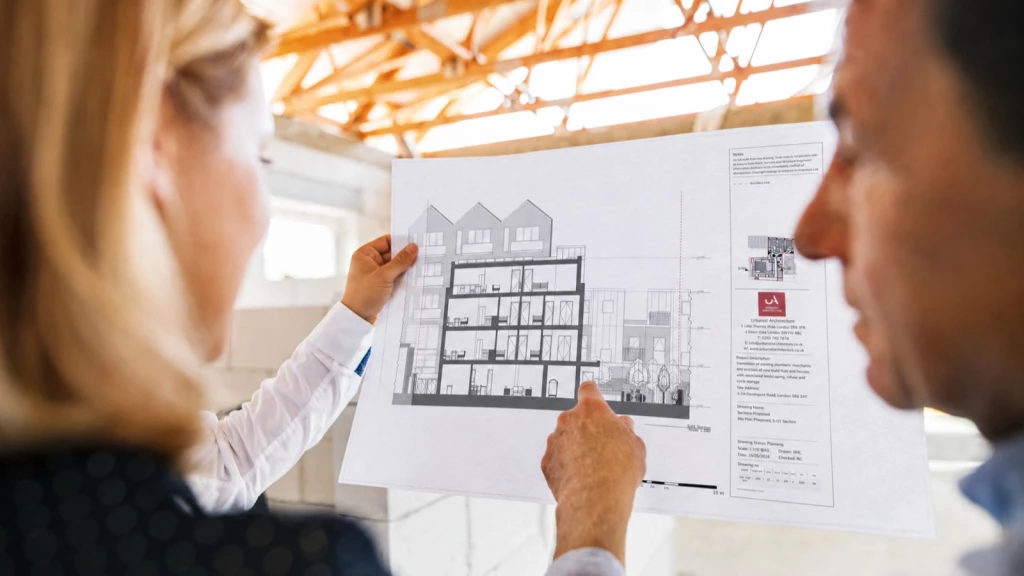
They may, but a physical site visit should not be treated as a mandatory stage in every planning application.
The case officer must understand the application site and its relationship with its surroundings. Depending on the council, application and available information, that assessment may involve:
a physical site inspection
photographs submitted with the application
aerial and street-level mapping
previous planning records
neighbouring-site information
other digital evidence
A physical visit can add valuable context where levels, neighbouring relationships, heritage setting, trees, access or overlooking are important. It should not, however, be relied upon to explain something that the application has failed to show.
For the planning applications we manage, we prepare the evidence on the assumption that the officer may assess the proposal primarily from the submitted material. If a relationship is decisive, it should be demonstrated clearly through plans, sections, street scenes, photographs or verified views rather than left for the officer to infer.
This approach also reduces the risk of misunderstanding where boundaries are inaccessible, vegetation obscures a view or a site inspection provides only a limited vantage point.
This is the central part of the determination process.
The officer is not simply deciding whether they personally like the proposal.
Planning applications must be determined in accordance with the development plan unless material considerations indicate otherwise. Relevant national planning policy, including the National Planning Policy Framework (NPPF), can also be a material consideration.
Depending on the proposal, the assessment may consider:
the principle of the proposed development
land-use planning policy
the site's planning designations and constraints
local and national planning policy
the planning history of the site
design quality
height, scale, massing and appearance
relationship with neighbouring buildings
privacy, overlooking and outlook
daylight and sunlight
heritage significance and setting
highway and parking impacts
servicing and refuse arrangements
trees and landscaping
ecology and biodiversity
flood risk and drainage
contamination
noise and environmental health matters
accessibility
housing mix and affordable housing where relevant
viability where relevant
consultee responses
public representations
whether any identified harm can be dealt with through amendments, conditions or planning obligations
Not every material consideration carries equal weight. A useful way to structure the assessment is around four questions: is the principle of development acceptable; what planning harm would the proposal cause; can that harm be avoided or adequately mitigated; and, when the benefits and harms are considered together, where does the overall planning balance fall?
This is more useful than treating planning policy as a checklist. Conflict with one policy criterion does not automatically require refusal, just as compliance with most policies does not guarantee approval. The significance of any conflict depends on the wording and status of the policy, the importance of the affected interest, the quality of the evidence and the particular site circumstances.
The objective is to identify the considerations most likely to determine the outcome and ensure that the design, planning case and technical evidence address those issues consistently.
Potentially, yes.
Planning history is not a simple tally of approvals and refusals. Its value depends on how closely the earlier decision corresponds with the current proposal and whether the policy and physical context have changed.
Planning history is best tested by comparing the red-line boundary, proposed use, development intensity, design, identified impacts, evidence and applicable policies. A recent permission for a materially similar scheme may carry considerable weight where the circumstances remain unchanged. Its relevance becomes weaker where the current proposal introduces a new impact or where policy has moved on.
A previous refusal is equally useful as a diagnostic tool. It identifies the concerns a new application must overcome, but it does not permanently prevent development.
The important question is whether the new scheme has genuinely resolved the earlier reasons for refusal rather than merely presenting the same proposal in a different format.
Yes.
Validation answers whether the application contains enough information to be processed. Determination asks the different and more demanding question of whether the evidence is sufficient to justify planning permission.
For example, for the planning applications we manage, when an officer or consultee requests further information, we first isolate the precise evidential gap. We then determine whether it requires clarification of existing material, a new technical assessment or a change to the design, identify who is responsible for responding and assess the effect on the determination programme.
The application remains valid and the normal decision period continues unless an Extension of Time is agreed. An unmanaged request can therefore become a source of delay or, if left unanswered, develop into a reason for refusal.
For example, an officer or consultee might identify the need for:
clarification of a drawing
additional heritage analysis
updated drainage information
further highway information
revised ecological information
evidence addressing a particular impact identified during assessment
This is not a retrospective invalidation of the application and it does not restart the determination period.
The response should be targeted to the identified issue. Sending large volumes of unrelated material may obscure the answer and create new questions rather than resolving the original concern.

Sometimes, but amendments are a matter of planning judgement and negotiation rather than an automatic entitlement.
Before any revision is recommended, the precise concern it is intended to resolve should be established, together with whether the change would preserve the substance and description of the application.
The local planning authority ultimately decides whether it can accept the amendment within the existing application.
The officer will usually need to consider whether an amendment is:
genuinely minor
capable of being fairly assessed within the existing application
likely to affect neighbours or consultees
substantial enough to require re-consultation
so significant that it effectively creates a different development and should be submitted as a new planning application
Where an amendment changes an impact on which neighbours or consultees have already commented, the authority must consider whether further consultation is needed in the interests of fairness.
A focused amendment can resolve a specific planning concern and prevent an avoidable refusal. Repeated redesign, however, can introduce new impacts, trigger reconsultation and leave the officer assessing a proposal materially different from the one originally submitted.
The strongest amendment is usually the smallest change that resolves the identified problem without compromising another part of the planning case. Where the required changes fundamentally alter the proposal, withdrawal and resubmission may provide a more coherent route.
Once the assessment is sufficiently complete, the planning officer will normally prepare a report or delegated assessment explaining the planning judgement.
The format differs between councils, but the assessment will commonly address:
the proposed development
relevant planning history
applicable development-plan policies
national planning policy where relevant
consultation responses
neighbour representations
the principal planning issues
the officer's assessment of those issues
proposed planning conditions
any planning obligations
the recommendation to approve or refuse
The length of the report matters less than whether it identifies the correct policies, evidence, material representations and principal planning issues, then explains how the recommendation follows from them.
For committee applications, the report should be reviewed as soon as it is published. Any factual error, omitted evidence or misunderstood consultation response should be corrected concisely before the meeting. The report may later become the clearest record of the authority's planning judgement at appeal, so what it says, and what it leaves unanswered, can be significant.
At present, planning decisions in England are generally made either:
by authorised planning officers under delegated powers
by elected councillors sitting on a planning committee or sub-committee
A delegated decision is not a reduced form of planning assessment. It remains a formal exercise of the council's decision-making powers and should be supported by a lawful and reasoned assessment.
Until 30 October 2026, the boundary between delegated and committee decisions continues to depend substantially on each council's constitution and scheme of delegation. Applicants should check the local rules rather than assume that a particular number of objections or a councillor's involvement will secure a committee hearing.
That may include criteria relating to:
the type or scale of development
whether the council itself is the applicant
whether councillors have requested referral
the level or nature of objections
whether the officer recommendation conflicts with particular representations
the strategic significance of the proposal
From 31 October 2026, the National Scheme of Delegation will materially reduce that local variation.
Yes. From 31 October 2026, the new National Scheme of Delegation will require many applications, including householder, minor residential and minor commercial proposals, to be decided by planning officers without going before a planning committee, providing a more direct and potentially faster route to a decision.
In practical terms, the reform will not prevent local concerns from being raised or considered, but it will change whether they can influence who determines the application. Where a decision is delegated to officers, even greater importance will therefore be placed on the quality of the written planning case and supporting evidence submitted with the application.
Under the new rules, a number of categories will have to be determined by officers, including:
householder planning applications
minor commercial development
specified minor residential development of up to nine dwellings on sites below the relevant size threshold
many discharge-of-condition applications
many prior approval applications
non-material amendments
lawful development certificates
a range of related planning functions
Other applications will generally be presumed to be delegated unless the statutory referral criteria are satisfied through the new procedure.
The practical consequence is that the volume of objections or the involvement of a ward councillor will no longer provide a reliable route to committee. Applicants should pursue a committee strategy only where a genuine referral route exists.
For homeowners, this is particularly important: ordinary householder applications will generally be officer decisions from 31 October 2026. The priority must therefore be a complete written case, properly evidenced responses and effective engagement with the case officer, rather than the expectation of a later committee hearing.
Where an application requires committee determination, the planning officer still undertakes the professional planning assessment and normally presents a recommendation.
The councillors are the decision-makers.
Depending on the council's procedures:
the officer may present the proposal and key planning issues
councillors may ask questions of officers
objectors may be allowed to speak
supporters or the applicant may be allowed to speak
ward councillors may make representations
technical officers may answer questions
councillors debate the planning merits
the committee votes
Public-speaking arrangements vary between councils and usually require speakers to register in advance. A committee meeting is not a second opportunity to present the entire application: speaking time is short and the officer report establishes the agenda.
An effective presentation should isolate the decisive planning issue, identify any material error or omission in the officer's assessment and explain the proposal's strongest planning benefit in clear terms.
Councillors must still determine the application in accordance with the development plan unless material considerations indicate otherwise. They may depart from the officer's recommendation, but any alternative decision requires defensible planning reasons capable of withstanding scrutiny at appeal.
Not necessarily, and this will become even less relevant after the new national delegation rules take effect in October 2026.
Historically, some councils' local schemes of delegation have contained objection thresholds or councillor call-in mechanisms.
But even where an application reaches committee, the number of objections is not itself the test for permission.
Ten well-founded objections raising a genuine planning problem may be more important than 500 objections based only on matters that planning law does not recognise as material.
The planning issue matters more than the headcount.
For an ordinary planning application, the eventual outcome will usually be one of three things:
planning permission granted
planning permission granted subject to conditions
planning permission refused
In practice, most permissions contain at least some planning conditions.
For larger developments there may also be a resolution to grant planning permission subject to completion of a Section 106 agreement. In those circumstances, the committee or officer resolution is an important step, but the legal agreement may still need to be completed before the final planning permission is issued.
Planning conditions are not administrative footnotes. They determine what may actually be built, what must happen before work begins and how the completed development may be used.
Conditions allow an authority to control or mitigate an aspect of development where outright refusal would be unnecessary, but they cannot be used without limit.
For example, we assess every proposed condition against the six tests for planning conditions and also consider whether it is clear, practically dischargeable, within the applicant's control and compatible with the intended construction programme. It must be:
necessary
relevant to planning
relevant to the development being permitted
enforceable
precise
reasonable in all other respects
Conditions may deal with matters such as:
the time limit for beginning development
approved drawings
materials
landscaping
drainage
ecology
tree protection
construction management
hours of use
noise mitigation
parking or cycle storage
contaminated land
heritage details
other mitigation required to make the development acceptable
Each condition should have a clear planning reason. Where draft conditions are available, they should be reviewed before the decision is issued, particularly if they depend on third-party approval, restrict occupation or require technical work before commencement.
A permission burdened by an ambiguous or practically impossible condition may be considerably less valuable than the word 'approved' suggests.
Pre-commencement conditions should be entered into a compliance schedule and formally discharged before the relevant works begin. Starting work first and attempting to regularise the position later may put lawful implementation of the permission at risk.

A Section 106 agreement is different from a planning condition. It is a legally binding obligation connected to the land, not simply a promise made by the applicant who secured the permission.
It is used to secure site-specific mitigation where that mitigation is necessary to make the development acceptable in planning terms.
We test every proposed planning obligation against three statutory tests. It must be:
necessary to make the development acceptable in planning terms
directly related to the development
fairly and reasonably related in scale and kind to the development
Depending on the development, a Section 106 agreement may deal with matters such as:
affordable housing
financial contributions
transport mitigation
employment or training obligations
public-realm works
restrictions on particular uses
other site-specific mitigation
Section 106 agreements are much more common on larger developments than on ordinary householder applications. They should nevertheless be treated as a material programme, viability and land-title issue rather than a closing formality. Where possible, the likely heads of terms should be identified early, as late negotiation can delay the decision notice and materially alter the commercial consequences of the permission.
The decision notice is the formal control document for the permission, not simply confirmation that the application has been approved or refused.
Where permission is refused, the notice should state the reasons clearly and identify the relevant development-plan policies. Where permission is granted, the notice defines the approved drawings, conditions and reasons that regulate the development.
We audit an approval against the submitted drawing register, negotiated amendments, proposed conditions and any Section 106 agreement. A missing drawing, inconsistent plan reference or unexpected condition may materially change the scheme that can lawfully be implemented.
You should check:
the approved drawings
commencement time limits
pre-commencement conditions
conditions requiring further approval
restrictions on use or occupation
any Section 106 agreement
any informatives about separate approvals
whether other consents are required
Planning permission is not the same as Building Regulations approval, freeholder consent, party-wall compliance, licensing or every other legal consent a project may require. Before work starts, the decision notice should be translated into a practical compliance schedule with clear responsibilities and deadlines.
A refusal is not necessarily the end of the project, but it should be treated as a technical diagnosis rather than simply an unfavourable result.
The first task is to classify each reason accurately.
Some identify a design problem that can be removed. Others expose missing technical evidence, a disagreement about policy interpretation or a planning judgement that may be capable of challenge.
The options may include:
discussing the refusal with the case officer
revising the design
obtaining additional technical evidence
making a new planning application
pursuing a materially different planning strategy
appealing to the Planning Inspectorate
A revised application is normally preferable where a proportionate change can clearly overcome the identified harm.
A planning appeal may be more appropriate where the application evidence already addresses the issue and the dispute concerns the authority's interpretation of policy, evidence or planning balance.
The decision should not be based on the assumption that appeal is always more forceful or that resubmission is always quicker. Your architects and planning consultants should compare the strength of the refusal reasons, the changes required, the available appeal evidence, the relevant deadlines and the prospects of securing a better outcome through further negotiation.
For applications submitted on or after 1 April 2026, the Planning Inspectorate introduced a revised procedural system for planning appeals.
The central effect of the reform is that the evidential case has become significantly more front-loaded. For most appeals proceeding under the Part 1 written-representations procedure, the Inspector will determine the dispute substantially from the material that was before the council.
As chartered planning consultants, we interpret this as requiring every application with a realistic appeal risk to be prepared with the appeal record already in mind. The policy case should be explicit, technical reports should answer the relevant planning tests, drawing revisions should be properly documented and important correspondence should remain on the application record.
Applicants should no longer assume that missing evidence or an underdeveloped planning argument can simply be repaired after refusal.
For refused householder applications, the normal appeal period is 12 weeks from the decision notice. Different deadlines apply to other appeal types and where enforcement action is involved, so the relevant appeal procedure and deadline should be confirmed immediately after the decision.
If a valid application remains undetermined after the statutory period, or after any longer period agreed in writing, the applicant may have a right to appeal for non-determination.
That does not mean an appeal should automatically be lodged as soon as the deadline passes. A non-determination appeal is not merely a way of chasing the council: it changes the decision-maker and places the application within the Planning Inspectorate's procedure.
Before advising on this route, we assess whether the application is genuinely progressing, the likely officer recommendation, any outstanding technical issue, the committee timetable and the purpose of a requested Extension of Time.
For example:
Is the officer supportive?
Is one technical issue still being resolved?
Has an amendment been requested?
Is committee consideration imminent?
Is a Section 106 agreement being negotiated?
Is there actually no meaningful progress?
A short Extension of Time may be strategically sensible where it is tied to a specific action, such as receipt of a final consultee response or reporting the application to committee. An open-ended extension unsupported by identifiable progress may simply conceal delay.
Where a favourable decision appears genuinely close, remaining with the council may be more efficient. Where no credible route or timetable remains, a non-determination appeal may restore a structured decision-making process.
The practical difference between statutory targets and actual decision times is examined in our detailed guide to planning permission timelines in London.

Receiving the decision notice brings the determination stage to an end, but it does not mean construction can begin immediately. Planning permission should be treated as a controlled package of approved drawings, conditions, obligations and time limits, rather than a general approval of the design concept.
Before moving into the RIBA Stage 4 and RIBA Stage 5, the applicant and their design and planning team should establish:
whether there are pre-commencement conditions
whether further details need approval
whether a Section 106 agreement imposes obligations
whether Community Infrastructure Levy requirements apply
whether Building Regulations approval is required
whether listed building consent or another consent is involved
whether amendments to the approved scheme are needed
when the planning permission must be lawfully implemented
A typical full planning permission requires development to begin within three years, unless the decision notice specifies a different period. However, simply starting work before the deadline may not be enough. The precise wording of the permission, together with any pre-commencement conditions, should be checked before relying on the implementation date.
If the project needs to change, the correct route may be a non-material amendment, an application under section 73 to vary a condition or, for a more significant change, a new planning application.
The approved planning drawings are not a flexible starting point from which the design can evolve materially during construction. Any proposed changes should be assessed and authorised before they are built, rather than explained after the event.
Planning drawings are also not normally detailed enough to price or construct the project. Before appointing a contractor, the design usually needs to be developed into a coordinated package of tender drawings, specifications and schedules. These documents explain the required materials, finishes, dimensions, construction methods and standards, allowing contractors to price the same scope of work and reducing the risk of unclear or misleading quotations.
The selected design must then be developed into construction documents containing the technical information needed to build the project safely, accurately and in accordance with Building Regulations. Depending on the project, this may include detailed architectural drawings, structural engineering information, drainage layouts, fire-safety measures, insulation specifications, junction details and mechanical and electrical designs.
Preparing this information before construction helps identify conflicts between the approved design and the technical requirements, gives the contractor clearer instructions and reduces the risk of delays, unexpected costs and unauthorised departures from the planning permission.
The value of professional involvement does not end when the planning application is submitted. For complex or sensitive proposals, much of the important strategic work happens during determination.
The architect and planning consultant should not work as separate voices. The design response, policy case and specialist evidence need to remain coordinated as officer and consultee comments emerge.
At Urbanist Architecture, our role and architectural services can include:
checking the submission against national and local validation requirements
responding to validation queries
challenging unjustified validation requests where appropriate
monitoring the planning register and consultation process
reviewing neighbour representations
assessing statutory and technical consultee responses
communicating with the case officer
identifying whether concerns can realistically be resolved
coordinating architects and specialist consultants
preparing or reviewing revised information
negotiating proportionate amendments
considering proposed planning conditions
preparing for committee where relevant
advising whether an Extension of Time is strategically sensible
reviewing the eventual decision notice
advising on resubmission, conditions or appeal where necessary
Our role is to maintain a live determination strategy rather than simply monitor the application portal. We track each material issue, identify who is responsible for answering it, coordinate the architectural or technical response and assess its effect on the wider planning case.
That includes distinguishing between a concern requiring redesign, one requiring further evidence and one that should be resisted because it is not supported by policy or the site circumstances. It also means protecting the application record in case the decision ultimately needs to be challenged at appeal.
The objective is not activity for its own sake. It is to close credible routes to refusal while ensuring that the decision-maker has a clear, consistent and properly evidenced proposal in front of them.
The planning application process is not a passive wait for an eight-week deadline. It is a sequence of tests applied to the information, design, and planning case submitted by the applicant.
Validation asks whether the application can be processed. Consultation identifies public and technical concerns. The case officer then decides which issues are material, what weight they should receive, whether any harm can be mitigated and where the overall planning balance falls. Conditions, obligations and the decision notice finally define what has actually been permitted.
Our experience as a multidisciplinary team of architects and town planners is that the decisive issue is rarely the number of documents submitted. It is whether the right information has been provided, whether the drawings and technical reports are coordinated and whether the planning argument responds directly to the matters capable of determining the application.
A strong submission creates the foundation, but active management during determination remains essential. Validation requests, consultee objections, amendments, proposed conditions and emerging refusal reasons all require different responses.
Knowing when to explain, provide evidence, negotiate, amend, challenge, or withdraw is where professional planning judgement becomes most valuable.
We look forward to learning how we can help you. Simply fill in the form below and someone on our team will respond to you at the earliest opportunity.
The latest news, updates and expert views for ambitious, high-achieving and purpose-driven homeowners and property entrepreneurs.









We specialise in crafting creative design and planning strategies to unlock the hidden potential of developments, secure planning permission and deliver imaginative projects on tricky sites
Write us a message