Read next
The latest news, updates and expert views for ambitious, high-achieving and purpose-driven homeowners and property entrepreneurs.

Whether you're planning an extension, a loft conversion, a renovation or a new build, you want the same thing: confidence that the money you're spending will deliver what you pictured.
Here's something I've learned running projects, though - most of the problems that ambush homeowners on site were actually set in motion long before. The unexpected cost, the three-week delay, the design that has to be reworked; trace them back, and they usually started as a decision made when the information was incomplete or a problem nobody had spotted yet.
This is exactly where a digital model pulls its weight.
At Urbanist Architecture, we use Building Information Modelling, or BIM, to help clients make informed calls, coordinate the project properly and take risk out of the process. The technology stays behind the scenes. What you notice is the result: more certainty, fewer nasty surprises, and a smoother run from first sketch to finished build.
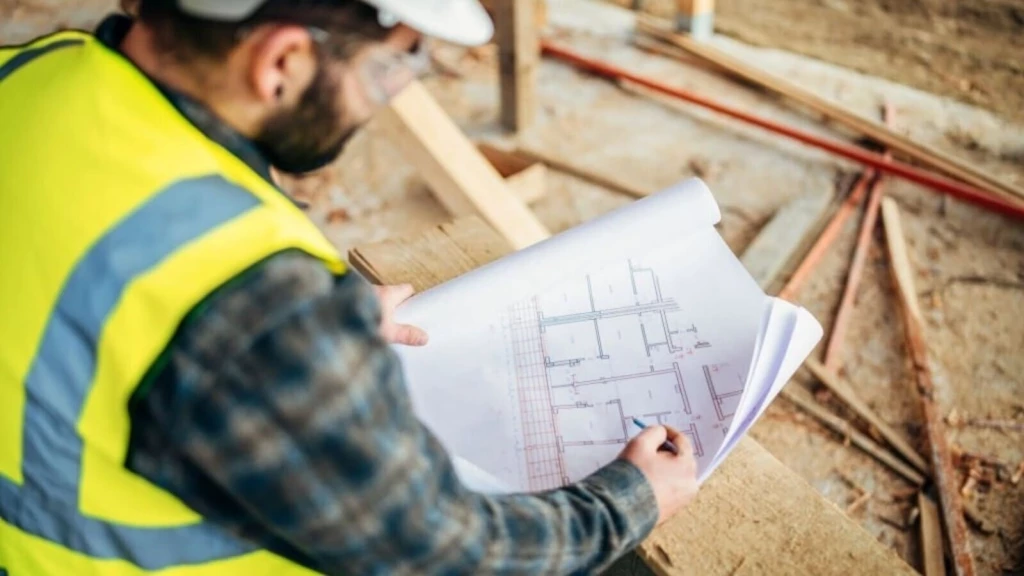
If there's one rule of construction worth remembering, it's this: the cost of changing your mind rises sharply as the project moves forward.
Early on, shifting a layout, nudging a window or testing a few options costs almost nothing but time. Once planning permission is granted, it gets fiddlier. Once the builders are in, even a small change can mean extra labour, wasted materials, a knocked-back programme and a contractor variation with a price tag attached.
That's the point at which clients start to find the process genuinely stressful, and I don't blame them.
No design process eliminates every risk; anyone who promises that is overselling. The honest aim is to catch and resolve as much as possible before it reaches the site, where mistakes are at their most expensive.
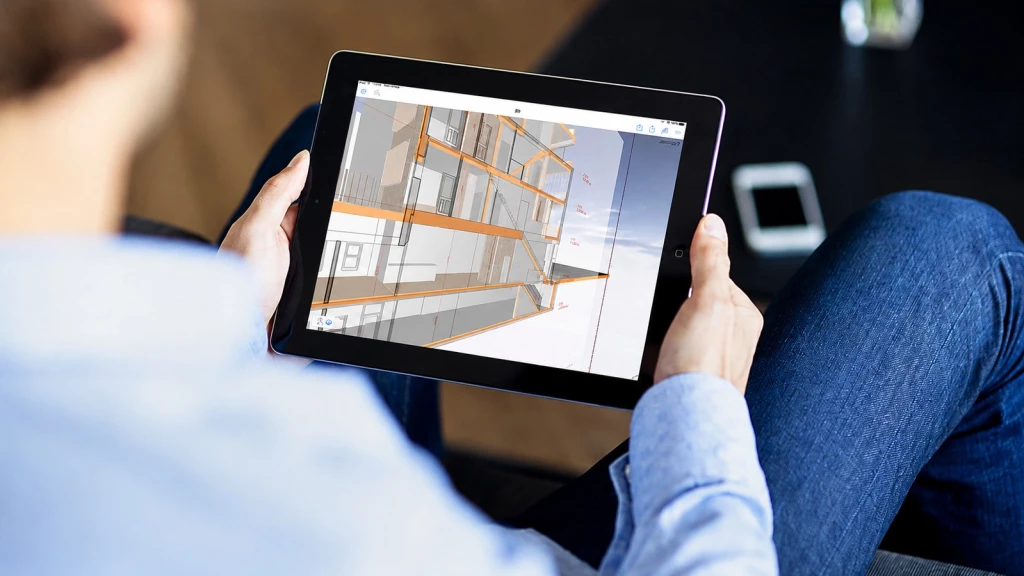
The first real value of a digital model is not technical. It lets the client understand what they are actually getting before the expensive decisions are locked in.
That is where the model starts to become useful in a very practical way: it helps the client see the project before the most expensive decisions are made.
Drawings still matter, and they always will. But let's be straight: they ask a lot of someone who doesn't read them for a living.
Most homeowners have sat in front of a set of plans thinking, will this room actually feel big enough? Or how will the extension look from the garden? Those are completely fair questions, and 2D plan drawings struggle to answer them.
A model answers them properly.
By building both the existing house and the proposal in three dimensions, we get a far clearer read on how the design will look and how it'll work day to day. You can understand the proportions, the ceiling heights, how you'd move through the space, how one room relates to the next. We can explore two design options side by side and compare them honestly.
That's the difference between a client signing off because they understand the design and signing off because they're trusting us blindly. The first kind leads to far fewer changes later, when changes are at their most painful and most costly.
Once the design is easier to understand visually, the next step is making sure it also works technically.
The biggest advantage, to my mind, is spotting trouble early.
A residential project brings several people into the process, not just the architect. Structural engineer, planning consultant, building control, contractor; they all feed in at different points. Without proper coordination, conflicts hide until it's too late.
A beam fights with the ceiling you'd designed. A staircase doesn't quite work as drawn. A drainage run quietly limits where the extension can sit.
Discover any of those mid-build, and you're into delay, redesign and extra cost. Bring all those requirements together in one coordinated model and a great many of those clashes show themselves before work begins. Less uncertainty, a more robust design to hand the builder.
The same early testing also helps before the proposal is placed in front of the council.
Models earn their place in planning as well. Before we submit anything, we can test the scale and massing, study how the proposal sits against the neighbours and compare design options.
That early due diligence helps flush out likely objections and lets us shape a smarter planning strategy, rather than crossing our fingers and hoping the council agrees.
For you, it means the big design decisions rest on a proper understanding of the property and the site, not on assumptions.
All of which raises the obvious question: how?
The answer is that the model is not treated as a one-off visual tool. It becomes the working base for how the design is developed, tested, coordinated and translated into the drawings that everyone relies on.
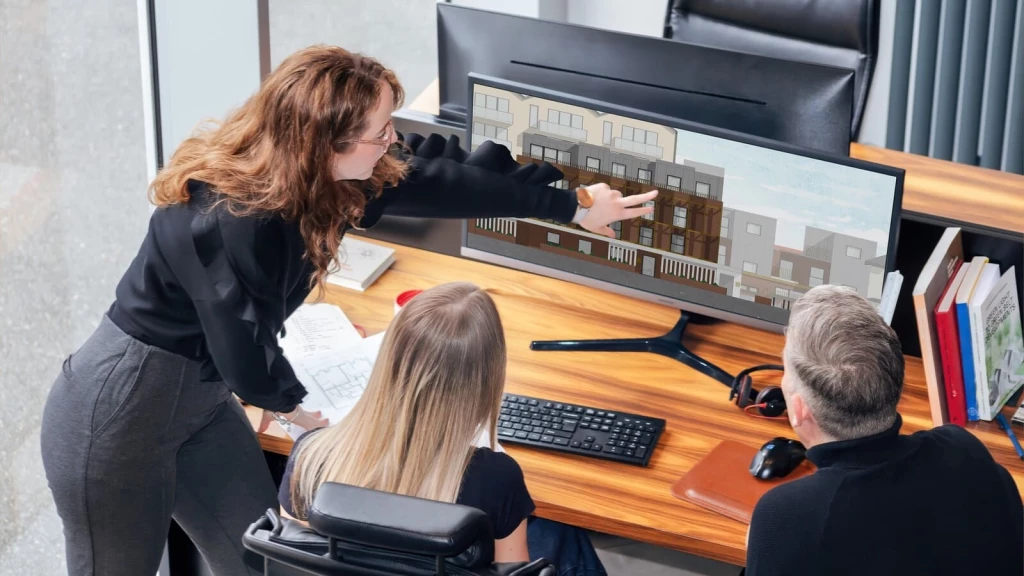
The BIM process covers the full life of a project. It starts before the first sketch is drawn and runs through design development, planning, technical coordination and into construction. At every stage, one coordinated digital model carries the project's information forward.
In residential architecture, that continuity of information is especially important because even modest projects often involve planning, structure, building control, cost decisions and construction sequencing all at once.
Rather than producing a series of disconnected drawings that each need to agree with one another, the whole document set is generated from that single source.
Ask most people what an architect does, and they'll start with drawings: floor plans, planning drawings, planning submission bundles, a thick set of construction documents handed to the builder. Fair enough. But the drawings are only the tip of the iceberg.
Underneath sits the part nobody sees: the work of creating, coordinating and keeping control of information. In my experience, that hidden layer is where projects are quietly won or lost.
The old way was to draw each thing separately. A plan here, an elevation there, sections and schedules all produced by hand and, crucially, all needing to agree with each other.
With a model, we build a highly detailed representation in three dimensions, with the geometry and the data held together in one digital space. The plans, elevations, sections and schedules are pulled straight out of it.
No more redrawing the same window in five different view-planes and hoping you caught them all. No more drawings that quietly contradict one another. For you as a homeowner, that means fewer errors, cleaner communication, and decisions built on information you can trust.
That consistency becomes even more important once consultants, contractors and other specialists start relying on the information.
The recurring headache on any project is making sure everyone is reading from the same, current information rather than a version someone saved to their desktop three weeks ago.
A digital model gives the whole team one coordinated source to work from, instead of a sprawl of disconnected files and email attachments. Problems surface earlier, while they're still affordable to solve.
A real example from the kind of thing we see weekly: the structural engineer flags a beam that affects the layout, or a design move turns out to complicate the build sequence. Inside a coordinated digital environment, those knock-on effects are obvious.
One idea sits at the centre of all this: the Common Data Environment, or CDE. Strip away the jargon and it's just one organised, controlled place where everything to do with the project lives. No competing email threads, no mystery file copies, no one building off a drawing that was superseded a fortnight ago.
We run a CDE on our projects precisely so the team can be confident they're working from the latest approved information, not yesterday's. For you, the benefit is unglamorous but real: less confusion, less duplicated effort, fewer costly mistakes that trace back to the wrong version.
The recognised standard here, ISO 19650, puts the weight on information management, and rightly so. The principle isn't complicated: good decisions need good information. But even the best information system has one clear limit: it depends on the quality of the information that goes into it.
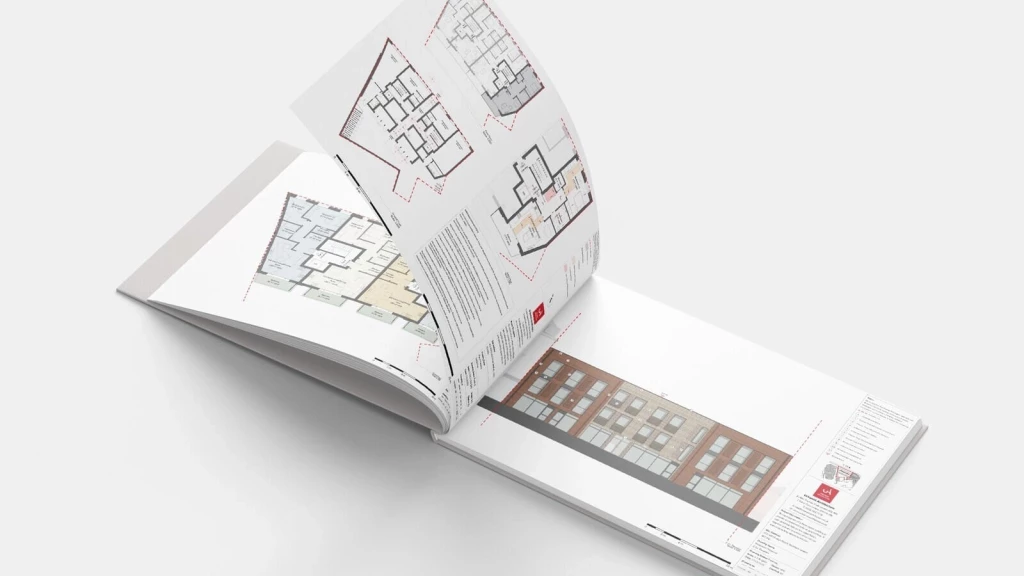
Effective BIM was never really about producing a glossy 3D image to wow people in a meeting. It's about the right information being accurate, properly looked after, and in the right hands at the right moment.
I'll be honest about the limits, too: projects still succeed or fail on people, process and communication. A model supports good design and professional judgement; it doesn't replace them, and I'd be wary of anyone who suggested otherwise.
There is one hard constraint, though. A model is only ever as good as the information you feed it.
Before anyone can design a decent extension, renovation or new build, they need to know precisely what's already there.
In my experience, the quality of the finished design is half-decided before the first sketch is ever drawn. Which is why a properly measured survey is one of the smartest investments you can make at the very start of a project, and one of the most overlooked.
Plenty of homeowners assume measuring a house is simple. The walls look straight, the floors look level, and there may even be old plans in a drawer somewhere. What could go wrong?
Quite a lot, as it turns out. Older properties are full of quiet irregularities you'd never spot by eye. Walls lean. Floors slope. Ceiling heights wander from room to room. And historic drawings? Frequently wrong, incomplete, or both.
I lose count of how often the existing plans bear only a passing resemblance to the actual building – and don't get me started on an estate agent's sales plan. A previous extension that was never properly recorded. Windows not in accurate positions.
Original construction tolerances that leave a room a few centimetres off what everyone assumed. It sounds trivial. It isn't. A handful of centimetres can throw out a structural layout, a staircase, a kitchen, the line of your windows and doors. Build a design on shaky measurements and the problems don't vanish; they just wait, and surface later when they cost far more to fix.
For most residential projects, our preferred starting point is a professional 3D measured survey.
Forget the old image of someone with a tape measure and a clipboard. Modern surveying captures a building with a level of accuracy and detail that hand measuring simply can't touch. Many of the surveyors we work with use laser scanning to produce what's called a 'point cloud', capturing millions of individual measurements throughout the property and creating an extraordinarily detailed digital record of what exists.
That gives us the building in three dimensions, not just as a set of flat plans and elevations. For a tricky renovation, a listed building, a loft conversion or anything with awkward geometry, that accuracy is worth every penny.
Once we've got the survey data, we can generate the existing drawing set in Archicad, our main BIM platform. Instead of designing from assumptions or a tidied-up sketch, we work from a faithful representation of the house as it genuinely is.
We test design options against it, assess structural moves with the engineers, prepare planning submissions and coordinate with the rest of the team, all on the same reliable base. As the design develops, the model develops with it, staying the single source everyone refers back to.
That's BIM in a nutshell: one coordinated representation of the building rather than a drawer full of documents that don't quite agree.
The real prize here isn't accuracy for its own sake. It's managed risk. Projects get expensive when assumptions turn out to be wrong.
Picture a loft conversion designed around an assumed roof structure, only for the actual roof to behave differently once it's opened up. Or an extension drawn around dimensions that later upend the structural design. Find those things during the build, and you're straight into redesign, delay, contractor variations and a fatter final bill.
Get the information right at the outset, and you head off a great many of those risks before serious time or money is committed. The logic is simple: catching a problem on a drawing is almost always cheaper than catching it on site. A good survey also keeps the project moving. We spend less time chasing discrepancies, consultants work with more confidence, and the contractor gets information they can actually trust.
A survey does more than feed the architecture. It lifts the whole team. Structural engineers, planning consultants and other specialists all depend on accurate information to do their jobs well. Build the model from high-quality survey data, and everyone works from one consistent version of the building rather than their own interpretation of it.
This is why BIM, accurate surveys and coordinated project information are not separate technical extras. Together, they form the foundation for a more certain project.

In the end, no homeowner is buying digital technology for its own sake. You're buying confidence: reassurance that your architect has genuinely thought the project through, that the risks were flagged early, and that the decisions were made on solid information.
Every successful project starts with genuinely understanding what's already there. Next to planning applications, construction and all the interior decisions still to come, a measured survey can look like a small early step. It isn't. It quietly shapes everything that follows. The cleverest BIM workflow, the best design idea and the most experienced team can only perform when they're standing on accurate information.
We pair creative design with disciplined digital workflows for exactly that reason. Putting the hours into a coordinated, information-rich model up front is what makes the rest of the journey calmer, from planning through to handover. Because when you're reshaping your home, better information doesn't just produce better designs. It tends to produce better outcomes.
Getting the existing conditions right is where every good project begins, and it's exactly where we like to start. If you're planning an extension, renovation or new build and want it built on accurate information rather than hopeful assumptions, get in touch with us. Let's lay the right foundation for your home from day one.
We look forward to learning how we can help you. Simply fill in the form below and someone on our team will respond to you at the earliest opportunity.
The latest news, updates and expert views for ambitious, high-achieving and purpose-driven homeowners and property entrepreneurs.

We specialise in crafting creative design and planning strategies to unlock the hidden potential of developments, secure planning permission and deliver imaginative projects on tricky sites
Write us a message