Read next
The latest news, updates and expert views for ambitious, high-achieving and purpose-driven homeowners and property entrepreneurs.


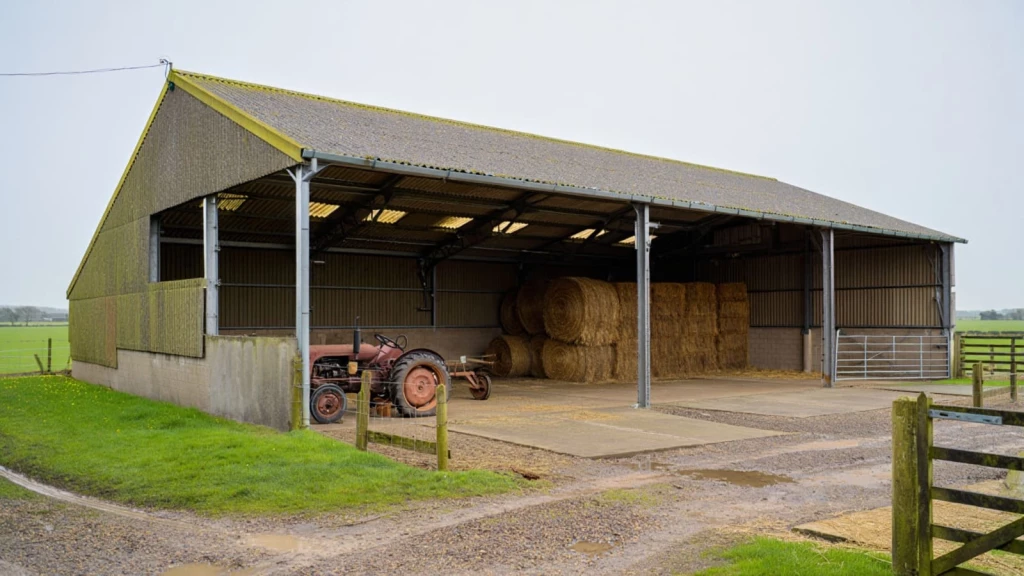
For many rural landowners, the most valuable building on the farm is not the farmhouse, the grain store or the newest steel-framed shed.
It is the tired, underused agricultural building sitting quietly in the yard.
Class R of the General Permitted Development Order is one of the most commercially useful planning rights available in rural England.
Used properly, it may allow a qualifying agricultural building to change to a commercial use without a full planning application, such as a farm shop, rural office, cafe, guest accommodation, storage, certain workshops, outdoor recreation or agricultural training. Since the 2024 reforms, it has become noticeably more generous.
But there is a catch, and it is the part that the viral social-media version always leaves out.
Class R is powerful precisely because it is specific. It is not a free pass. It is not a general “convert any barn into any business” rule. And it is certainly not a reason to start works first and ask questions later.
In this article, I explain what Class R actually permits, what changed in May 2024, how the 150-square-metre threshold really works, which buildings qualify, and where the enforcement risk hides. The aim is simple: to help you use Class R confidently where the facts support it, and cautiously where they do not.
In short: often yes, but only if the building genuinely qualifies and the proposed use is one of the permitted commercial uses.
Class R allows the change of use of an agricultural building, and land within its curtilage, to a flexible commercial use.
Where the cumulative floorspace changing use stays at or below 150 square metres, you notify the council before the use begins and there is no prior approval test.
Where it is above 150 square metres but no more than 1,000 square metres, you must apply for prior approval, limited to transport and highways, noise, contamination and flooding.
Above 1,000 square metres, Class R is not available.
The threshold sounds like a shortcut. It is better understood as a controlled statutory route with a defined evidence burden and one that carries real enforcement risk if you get the qualifying conditions wrong.
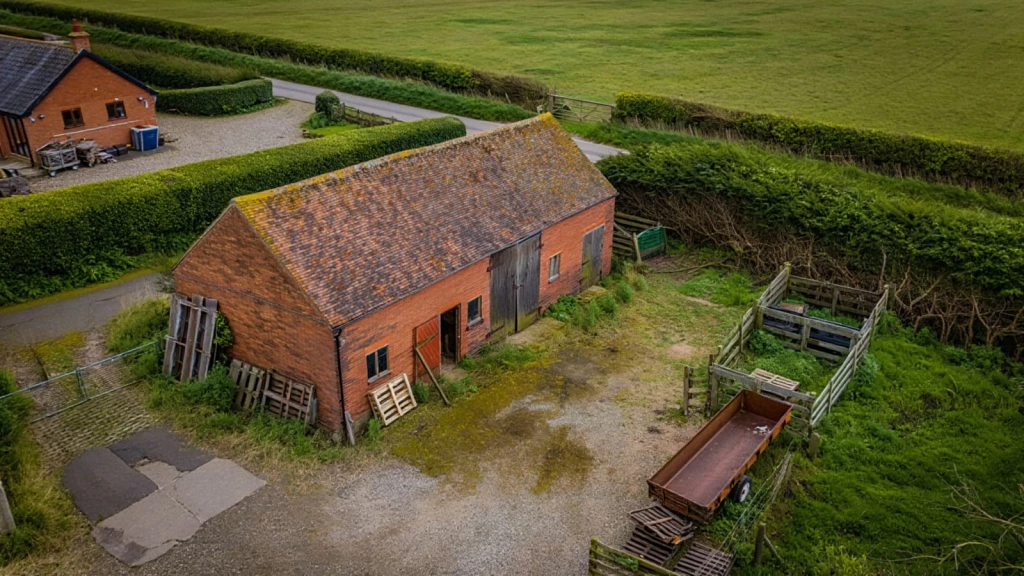
Class R is a permitted development right under Schedule 2, Part 3 of the Class R of Town and Country Planning (General Permitted Development) (England) Order 2015. It allows the change of use of an agricultural building, together with land within its curtilage, to certain flexible commercial uses.
The key phrase is “change of use”.
Class R is not a full planning permission in the traditional sense. It is not a design consent, and it is not a building-works consent. It does not automatically authorise external alterations, new entrances, shopfronts, flues, extraction systems, customer parking or widened accesses.
In simple terms, Class R may help you establish the use, but it does not necessarily deliver the whole project. That is where many rural diversification projects become more complicated. A farm shop may need a shopfront. A cafe may need extraction. A hotel may need new openings, drainage, fire-safety upgrades and parking. Getting planning permission on agricultural land often involves these wider questions about access, landscape impact, servicing, parking and the physical works needed to make the business viable.
So while Class R can be a powerful route, it should not be treated as a complete consent strategy. It is a planning route for changing the use of a qualifying agricultural building into one of the permitted commercial uses. Anything beyond that needs to be checked separately.
Class Q and Class R are often mentioned together because both concern agricultural buildings. However, they serve very different purposes.
Class Q permitted development rights provide the residential route for agricultural buildings. They are most commonly used to convert qualifying barns and other agricultural buildings into one or more homes, subject to specific limitations, prior approval requirements and conversion tests.
Class R, by contrast, is the commercial route. It may allow a qualifying agricultural building to change to flexible commercial uses, including a farm shop, office, café, storage space or hotel use.
The difference is particularly important where physical works are needed. Class Q may permit building operations that are reasonably necessary to convert a building into a dwelling. By contrast, Class R is primarily a change-of-use right and does not usually authorise the physical works needed to make a commercial scheme operational.
A barn that may be suitable for Class Q is therefore not automatically a Class R opportunity, and vice versa. The building’s agricultural history, proposed end use, scope of works and applicable prior approval route must all be assessed separately.
For the right landowner, Class R can be a serious commercial opportunity. It can help turn redundant or underused agricultural floorspace into income-producing space without exposing the whole proposal to a conventional planning application.
This is especially valuable because securing planning permission in the Green Belt and across the wider countryside often means dealing with a more demanding planning policy framework. Even modest rural commercial schemes may raise concerns about access, parking, traffic, noise, opening hours, landscape impact, openness, drainage, biodiversity, neighbour amenity and whether the business is genuinely rural, or simply a commercial use placed in the countryside.
Class R does not remove those considerations, especially for larger schemes. But for qualifying projects, it may reduce the planning risk and provide a cleaner route into rural diversification.
It can be particularly attractive where a landowner wants to test a business model before committing to a larger planning strategy. A small farm office, a 120-square-metre farm shop, a modest rural studio, a contained visitor-facing use, or storage and distribution space may all benefit from a careful Class R approach.
In our experience, the landowners who get the most from Class R are the ones who start with the legislation and shape the business around it, not the other way round.
The 2024 amendments to the GPDO, which took effect on 21 May 2024, made Class R more useful for farmers and rural landowners.
Before the reforms, Class R was narrower in scope, and the cumulative floorspace cap was lower. The changes expanded the range of permitted uses and increased the total floorspace that may change use under Class R across the agricultural unit.
The most important changes were:
the cumulative Class R floorspace cap increased from 500 square metres to 1,000 square metres
Class B2 general industrial use was added, but only for processing raw goods (excluding livestock) that are produced and sold on the site
Class F.2(c) outdoor sport or recreation was added
agricultural training was added as a specific permitted use
the right became more flexible overall for rural diversification
This is why Class R has attracted renewed attention, often under the media label of “Clarkson’s clause”. The phrase is closely linked to Clarkson's Farm, which brought farm diversification, rural planning disputes and the limits of permitted development into the mainstream. The right itself, however, has existed for years.
Crucially, the reforms did not remove the qualifying conditions. They did not turn Class R into a general conversion right. They did not erase the distinction between notification and prior approval. They did not authorise building works.
And they did not make pubs, taprooms, event venues or wedding barns automatically lawful. That last point is where a great deal of online commentary becomes genuinely dangerous.
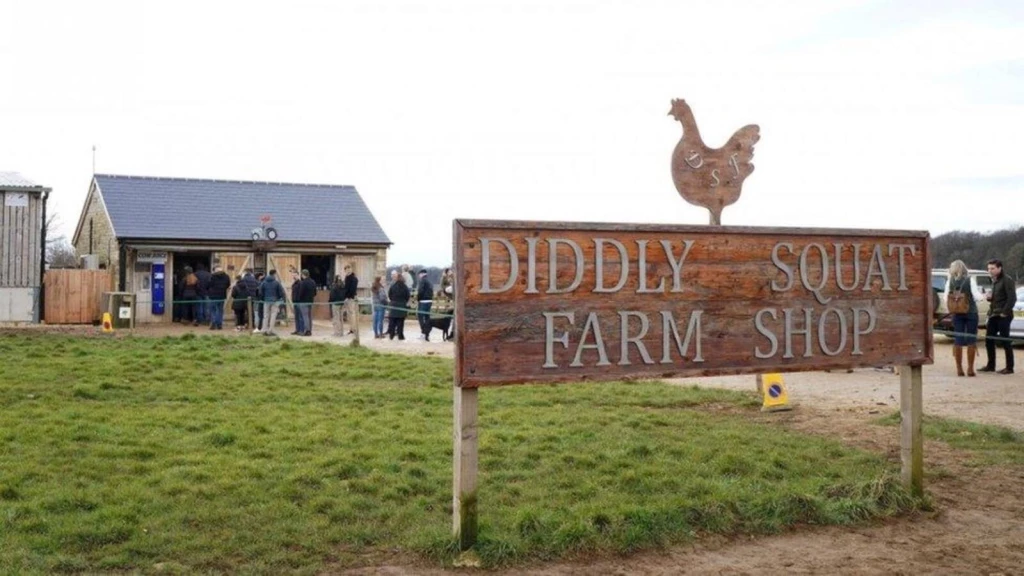
Class R now allows a change from agricultural use to a flexible use falling within certain use classes. The list below sets out the realistic possibilities and the uses that should not be assumed to fall within Class R.
Farm shop: May fall within Class E(a) (retail display or sale of goods, other than hot food, to visiting members of the public). Often a strong candidate where contained.
Office / studio / workspace: May fall within Class E(g)(i), depending on the nature of the use.
Cafe or restaurant: May fall within Class E(b) where food and drink is mainly for consumption on the premises.
Workshop / light industrial: Some uses may fall within Class E(g) if compatible with a business and service use. Heavier uses need careful analysis.
General industrial: Class B2 was added in 2024 but is restricted to processing raw goods (excluding livestock) produced and sold on site. Not a blank cheque.
Storage and distribution: Class B8 is one of the clearer opportunities, though vehicle movements and external storage create separate risks.
Hotel / guest accommodation: Class C1 is included and may cover hotels, boarding houses and guest houses with no significant element of care.
Outdoor sport or recreation: Class F.2(c) was added in 2024 and may assist certain uses, within the limits of that use class.
Agricultural training: Expressly included since 2024; useful for skills, education and rural-enterprise projects linked to farming.
Pub / taproom / wine bar: Usually sui generis, not Class E. Class R may not help if the real character is a drinking establishment.
Hot food takeaway: Sui generis. Not a Class R use.
Wedding barn / event venue: Often sui generis, with music, alcohol, late activity, traffic and amenity impacts well beyond a simple change of use.
A landowner should therefore start with a simple question: what is the true planning use of the proposed business?
Not the branding. Not the brochure wording. Not the social-media description. The actual use.
In planning, the label an operator chooses matters far less than the character of what is really happening on the ground.
The 150-square-metre threshold is the part of Class R that has generated the most excitement, and the most confusion.
The basic position is this:
if the cumulative Class R floorspace on the established agricultural unit is at or below 150 square metres, you must notify the local planning authority before the use starts, and there is no prior approval test
if the cumulative floorspace is above 150 square metres but no more than 1,000 square metres, the prior approval process is triggered
if the cumulative floorspace exceeds 1,000 square metres, Class R is not available
The key word is “cumulative”. This is not a rule about one barn. It is about the total floorspace that has changed use under Class R within the established agricultural unit.
That has practical consequences. A 140-square-metre conversion may sit below the threshold if no other Class R floorspace has been used. A 90-square-metre conversion may cross it if another 80 square metres has already changed use under Class R elsewhere on the same unit.
A landowner cannot simply slice a larger project into several smaller notifications to avoid prior approval, and the historic use of Class R across the whole unit needs to be checked. This is one of the most common mistakes we see.
The 150-square-metre threshold is not a loophole. It is a threshold.
The difference between notification and prior approval is not just procedural. It changes when the council becomes involved, how much evidence is needed, and where the planning risk sits. That is why the floorspace calculation should be settled before the landowner decides which route to take.
For Class R proposals at or below 150 square metres cumulatively, you must give the local planning authority certain information before changing the use.
In practice, the notification should identify the date the site will begin to be used for the proposed commercial use, the nature of the proposed use or uses, a site plan, and the building or buildings changing use, giving enough information to show that the proposal is genuinely relying on Class R.
There is no full planning application, no Class R prior approval assessment, and usually no statutory 56-day prior approval test for transport, noise, contamination or flooding. That is why this route can be so powerful.
But “notification” does not mean “permission to ignore the rules”.
The right only applies if the proposal satisfies the Class R limitations and conditions in the first place. If the building does not qualify, the use is not covered, the floorspace calculation is wrong, or the notification is defective, the landowner may be exposed.
Below 150 square metres, the council may not have a prior approval refusal button, but it can still investigate, challenge and enforce if it considers the development unlawful. That is the legal nuance missing from most viral summaries.
Where the cumulative floorspace exceeds 150 square metres, you must apply to the council for a determination as to whether prior approval is required. The matters are limited, but they are not trivial. The council may consider:
transport and highways impacts
noise impacts
contamination risks
flooding risks
This is not the same as a full planning application.
The council is not meant to revisit every countryside, design or economic policy question in the local plan. But it does create a formal decision-making stage, and for larger schemes it is where the practical problems surface: customer arrivals, delivery vehicles, narrow lanes, visibility splays, parking layout, plant noise, contamination from former agricultural use and flood risk.
The larger the proposal, the less useful it is to think of Class R as a shortcut. It is better thought of as a controlled statutory route with a defined evidence burden. Development under the prior approval limb must also begin within three years of the prior approval date.
The honest answer is: it depends on the floorspace and the facts.
For a qualifying proposal at or below 150 square metres, the council does not have the normal Class R prior approval process through which to refuse the scheme. That is the grain of truth in the viral claim. But there are two major qualifications.
First, the proposal must genuinely qualify. The council can still take the view that Class R does not apply because, for example:
the building was not used solely for agriculture at the relevant time
the building is no longer an agricultural building in planning terms
the established agricultural unit test is not satisfied
the proposed use is outside the permitted use classes
the cumulative floorspace exceeds the threshold
the land being used is not within the building’s curtilage
external works have been carried out without permission
an Article 4 direction or planning condition removes the right
the building is listed or a scheduled monument
the site falls within an express exclusion, such as a military explosives storage area or safety hazard area
the notification was not properly made before the use began
Secondly, enforcement powers still exist.
Permitted development rights are planning permissions granted by national legislation, but only within their conditions and limits. If those limits are not met, the fallback position is not “the council cannot do anything”. The fallback position may be that the landowner has carried out unauthorised development and is exposed to enforcement action.
That is why the best advice is simple: use Class R confidently where the facts support it, but never casually.
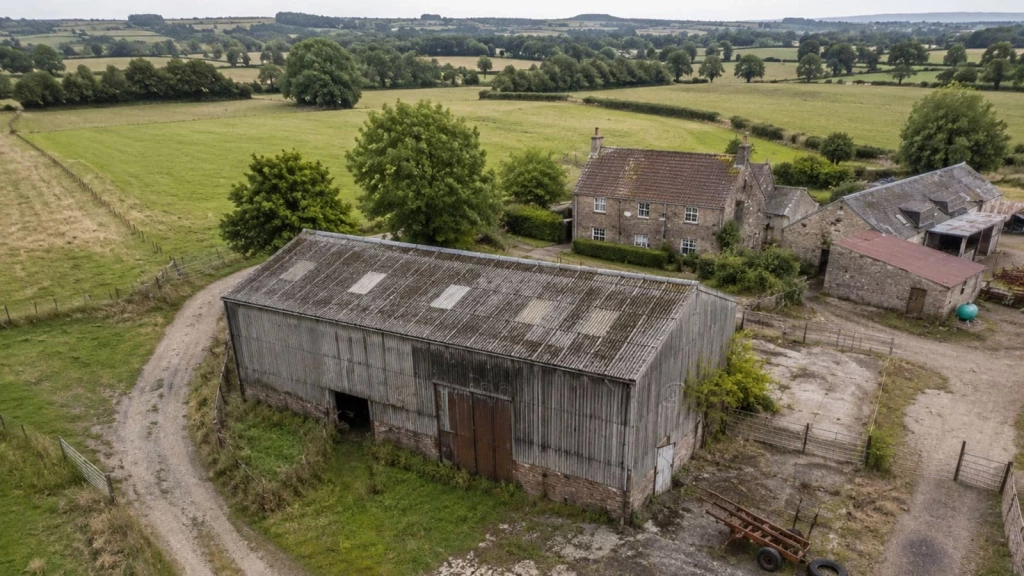
The next question is where Class R may be used.
Some landowners assume that sensitive designations automatically rule it out; others assume permitted development rights override every other control.
The truth sits between those two positions: Class R may survive in surprisingly constrained locations, but it rarely removes the need for a wider consent strategy.
This is one of the more interesting features of Class R: it does not contain a blanket exclusion for Green Belt land. In principle, a qualifying agricultural building in the Green Belt may benefit from Class R.
For rural landowners, that can be extremely useful. A full planning application for a new or intensified commercial use in the Green Belt may raise immediate concerns about inappropriate development, openness, visual impact and very special circumstances.
By contrast, Class R may provide a national permitted development route for the change of use of an existing building.
This should not be oversold, however. Class R may deal with the use of the building. It does not automatically authorise extensions, new hardstanding, new car parks, access works, flues, external lighting, signage, external seating, storage yards or material external alterations. If those works require planning permission, Green Belt policy may come back into play.
So yes, Class R may be used in the Green Belt in principle, but the moment the scheme needs operational development, the planning strategy becomes more complex.
Class R does not include a general exclusion for every sensitive landscape or heritage designation, which means it may, in principle, be available in areas where other permitted development rights are more restricted.
A landowner should still be careful.
Even where Class R itself is not excluded, other controls may still bite: listed building control, scheduled monument control, protected species legislation, tree preservation orders, conservation area controls, highways requirements, environmental permitting, building regulations, food hygiene, alcohol licensing, fire-safety duties and separate planning permission for operational works.
A rural planning strategy should never treat Class R as the only consent question. It is one part of the consent map.
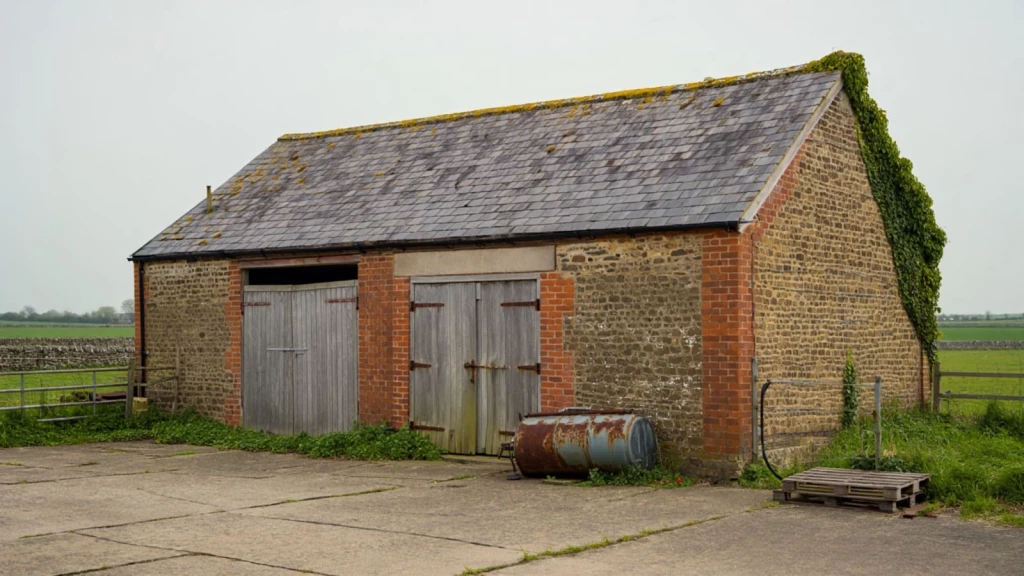
This is where the analysis should begin.
A building does not qualify simply because it looks like a barn. Class R applies to a building used as an agricultural building, and the building must satisfy the agricultural use history test.
Broadly, this means it must have been used solely for agriculture as part of an established agricultural unit on, or before, the relevant date, or, if brought into agricultural use later, for the required period before the right is relied upon.
In practice the questions are likely to include:
Was the building used solely for an agricultural use as part of an established agricultural unit on the relevant date?
If it was not in use on that date, what was its last use?
If it was brought into agricultural use later, has it been used for the required period?
Is the building genuinely part of an agricultural unit, and is that unit still identifiable?
Is the building still agricultural in planning terms, or has it drifted into domestic, storage, equestrian, workshop or mixed use?
Has any previous planning permission restricted its use, or removed permitted development rights by condition?
Has any part of the building already changed use under another route?
These questions are not academic. Many Class R disputes turn on whether the building really qualifies. A landowner may think of a building as “the old barn”, but the planning system asks a more precise question: what was the lawful planning use of the building at the relevant time?
Evidence matters.
One of the most underappreciated issues is the established agricultural unit. Class R is not simply about a freestanding building in the countryside; the building must have the necessary relationship with an established agricultural unit.
This can become difficult where the farm has been broken up, the building has been sold separately, the farmhouse has been split from the land, the land is let to another farmer, the building has been used for non-agricultural storage, the agricultural business has ceased, the building is now part of a mixed rural estate, or the historic planning records are unclear.
The 2024 reforms did not turn Class R into a general right for former agricultural buildings in any context. A redundant agricultural building may still qualify in the right circumstances. But a building that has long since lost its agricultural planning character may not.
A Certificate of Lawful Development is not always required. For a simple sub-150-square-metre notification, some landowners may decide that notification plus a strong evidence file is enough.
But where the commercial value is significant, a certificate can provide far greater certainty.
It may be especially useful where the agricultural history is complex, the building has had mixed uses, the site has been subdivided, the farm business has changed over time, the council is likely to be sceptical, or the project will need investor, lender, purchaser or tenant confidence.
In simple terms, a certificate can move the argument from “prove it later if the council challenges you” to “establish the position before committing serious money”. For sophisticated landowners, that is often the difference between a clever planning strategy and a risky one.
This is the limitation that landowners most often underestimate.
Class R is a change of use right. It may help establish whether a qualifying agricultural building can lawfully move into a commercial use, but it does not normally grant permission for the physical works needed to make that building suitable for the new business.
That distinction matters in practice. A farm shop may need a new entrance, shopfront and customer parking. A cafe may need extraction, a flue, drainage upgrades and external seating. Guest accommodation may need new openings, insulation, fire-safety upgrades, access improvements and servicing arrangements.
Separate planning permission may therefore be required for external cladding changes, new windows or doors, shopfronts, new entrances, extraction equipment, flues, external plant, air-conditioning units, roof alterations, new hardstanding, customer parking, turning areas, access alterations, external lighting, signage, outdoor seating, bin stores and servicing yards.
Once a project changes the external appearance of the building or involves operational development, Class R alone may not be enough.
Before construction begins, the project needs to move from planning strategy into technical design. In practical terms, this means preparing RIBA Stage 4 information, including building regulations drawings, specifications and consultant input required for Building Control approval, tendering and construction.
Class R may help establish the planning position, but it does not replace the technical design package needed to convert the building safely, meet the relevant regulations and give contractors the information they need to price and build the works.
The cleanest Class R schemes are usually those where the existing building can accommodate the new use with minimal external intervention. The riskier ones are those where the business model depends on visible alterations, new infrastructure and a wider change in the character of the site.
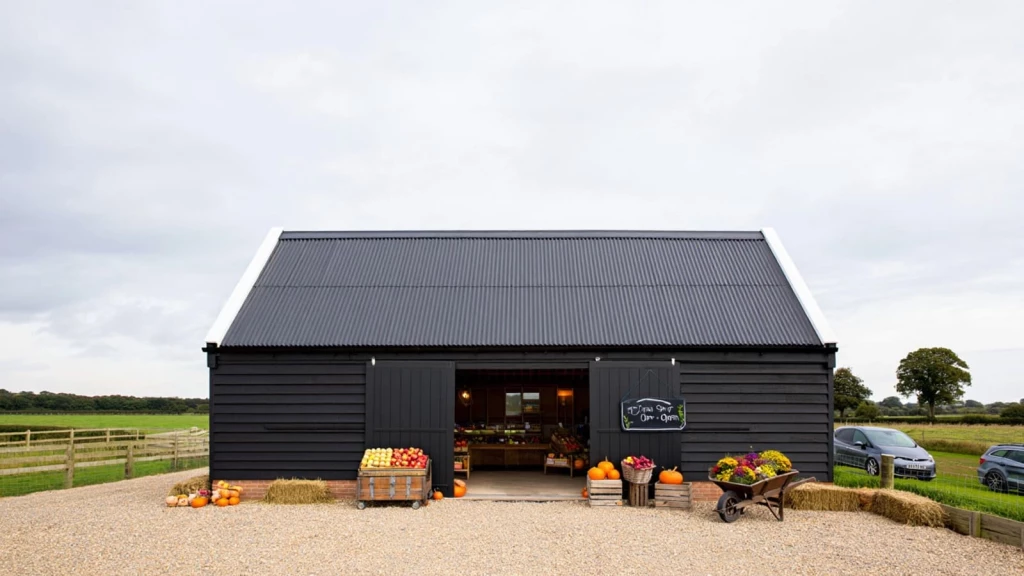
Class R is most useful when the proposed business is modest, contained and clearly within one of the permitted use classes. The same building may be a low-risk office, a more complex cafe or an unlawful taproom depending on how it will actually operate. That is why each use needs to be tested by its real planning character, not by the business name.
A farm shop is one of the most obvious Class R uses. It supports diversification, strengthens the farm business and creates a direct route to market for produce.
A modest farm shop within a qualifying building may be a strong candidate, particularly where the floorspace stays below 150 square metres, the building qualifies on agricultural history, the retail use falls within Class E, the proposal uses an existing access, parking is already lawful and available, external works are minimal, and the landowner keeps clear evidence of the notification.
A farm shop becomes more complex when it expands into a large destination retail use, cafe and restaurant space, alcohol sales and tasting events, outdoor seating, seasonal markets, coach visits, significant traffic generation, new parking, new signage or new servicing areas.
At that point the question is no longer “is a farm shop allowed?” but “what is the true planning character of the whole operation?”
Class R may support cafe or restaurant-style uses where they fall within Class E. This can be attractive for farms with visitor attractions, vineyards, orchards, garden centres, rural estates or nearby walking and cycling routes.
But rural hospitality can quickly become planning-sensitive. A small daytime cafe serving visitors is one thing; a destination food and drink venue with late opening, alcohol, music, evening events, outdoor seating and significant vehicle movements is something else.
The risk points include whether the use remains Class E or becomes sui generis, whether the building qualifies, whether kitchen extraction or new flues need planning permission, whether parking and access are lawful and adequate, whether noise affects nearby residents, and whether drainage and waste have been addressed. The smaller and more contained the cafe, the more useful Class R may be.
Taprooms are where the online narrative becomes especially dangerous. A taproom may sound like rural diversification, may sit in a barn and may be linked to an on-site brewery or vineyard.
But in planning terms, a taproom may be a drinking establishment, pub or wine-bar-style use. Those uses are not usually within Class E; they are often sui generis. That means Class R may not cover the use at all.
This does not make a taproom impossible. It means it may need a different planning route.
A safer approach is to ask honestly: is the primary use food-led or drink-led? Is consumption ancillary to retail, or is this a drinking venue? Will customers stay for long periods, in the evening, with alcohol, music or events and outdoor seating?
For landowners, the distinction can feel artificial. For planning, it can be decisive.
Storage and distribution can be a good Class R use. Class B8 is included, so a qualifying building may potentially change to storage or distribution, which can be useful for local business storage, agricultural supply chains, e-commerce fulfilment, rural estate storage, seasonal goods, business archives and equipment.
But B8 uses carry their own traps: HGV movements, external loading, use of yard areas, forklift activity, noise, lighting, hours of operation, highway safety, and whether the storage stays inside the building or spills outside the curtilage.
A quiet internal storage use may be low risk. A distribution depot with vans, staff, turning areas, external pallets and delivery schedules is a very different proposition. Class R may permit the change of use of the building; it should not be stretched into permission for an uncontrolled logistics yard.
Class R includes Class C1 hotel use, which creates interesting possibilities for rural estates and farms with attractive buildings and visitor demand, including small rural hotels, guest accommodation, farm-stay accommodation and countryside retreats linked to walking, cycling or nature tourism.
Again, the use is only part of the picture. A hotel or guest accommodation project may also require internal layout changes, fire-safety upgrades, new windows or doors, insulation works, drainage upgrades, parking, lighting, access improvements, refuse storage, servicing, landscaping and signage, many of which need separate consents.
The building will also need to satisfy building regulations and fire-safety requirements before it can safely accommodate guests. Class R may help establish the principle of the hotel use; it should not be mistaken for a complete delivery route.
The 2024 reforms added further flexibility. The inclusion of outdoor sport or recreation may support certain activity-based uses, within the limits of that use class. Agricultural training is also useful for farms, rural estates, land-based colleges and agricultural businesses wanting training space within existing buildings.
The key is to keep the proposal within the specific wording of the permitted use. A genuine agricultural training use is one thing. A general events, conference or wedding use described as “training space” is quite another, and is unlikely to survive scrutiny.

Class R is evidence-led. Before notifying the council or submitting a prior approval application, a prudent landowner should assemble a clear evidence pack. This should usually include:
a site location plan and an existing site plan
a plan identifying the building and its curtilage
existing and proposed floor area calculations
a schedule of any previous Class R floorspace used on the agricultural unit
dated photographs and historic aerial photographs of the building
farm business records, tenancy or ownership records
records showing the building’s agricultural use, such as invoices, machinery records or cropping and stocking records
planning history documents and details of any conditions affecting the site
confirmation that the building is not listed or a scheduled monument
confirmation of any Article 4 direction
the proposed use description and start date
a copy of the notification sent to the council, with the delivery receipt or acknowledgement
access, parking, flood-risk and contamination information where relevant
For sub-150-square-metre schemes, the evidence pack matters even more, because there may be no formal decision notice. If challenged later, the landowner needs to be able to show exactly why the right applied.
The same mistakes appear again and again. Landowners should avoid assuming that:
any barn in the countryside qualifies
“under 150 square metres” means no planning risk
the 150-square-metre threshold applies per building rather than cumulatively
the council’s lack of a prior approval role means it cannot enforce
a taproom is automatically the same as a cafe
a farm shop can expand into a destination hospitality venue without further analysis
external works are covered by Class R
parking fields and service yards are covered simply because they are on the farm
an old building still qualifies after years of mixed use
a building separated from the farm still has the necessary agricultural unit relationship
a vague notification will do
a later Certificate of Lawfulness will always fix a weak factual position
The biggest mistake is starting from the business idea and forcing Class R around it. The better approach is to start with the legislation, test the building, the use and the floorspace, and then shape the commercial concept accordingly.
Class R can be used tactically or strategically. A tactical use might be to convert 120 square metres of a barn into an office, notify the council, avoid prior approval, create income quickly and keep external changes minimal.
A strategic use looks across the whole holding: reviewing all agricultural buildings, identifying which have the strongest Class R potential, reserving the sub-150-square-metre route for the lowest-risk quick win, using prior approval for larger floorspace, separating the change-of-use strategy from the building-works strategy, and preserving evidence for future disposals, leases or refinancing.
For sophisticated rural landowners, this is where the value lies. The best question is not simply “can I convert this barn?” It is “what is the most valuable lawful planning pathway for this rural asset over the next five to ten years?”
Before relying on Class R, work through the following:
Is the building in England?
Is it genuinely an agricultural building, used solely for agriculture at the relevant time?
Is it part of an established agricultural unit that is still clearly identifiable?
Has the building been used for anything else since?
Is the proposed use definitely within Class R - Class E, B8, C1, B2, F.2(c) or agricultural training?
Is the use really a pub, taproom, takeaway, event venue or other sui generis use?
How much Class R floorspace has already been used across the unit?
Is the proposal at or above the 150-square-metre threshold, and does the total stay below 1,000 square metres?
Is the land being used within the building’s curtilage?
Are any external works required, and is a separate planning application needed for them?
Are there planning conditions or an Article 4 direction restricting permitted development?
Is the building listed or scheduled, or within an excluded area?
Are building regulations, fire safety, licensing or food hygiene approvals needed?
Is a Certificate of Lawfulness worth obtaining for certainty?
If the answer to any of these is unclear, the project should pause before the use begins.

Class R is one of the most useful permitted development rights available to rural landowners in England, and the 2024 reforms have made it more valuable still. The increase to 1,000 square metres creates real scope for commercial diversification, and the sub-150-square-metre notification route can be genuinely attractive for small, carefully contained projects.
But the popular online version of the rule is too simplistic. It is not accurate to say that councils have no way to challenge a sub-150-square-metre conversion. It is more accurate to say that, where the proposal genuinely qualifies and stays within the cumulative 150-square-metre threshold, the Class R prior approval process is not triggered.
That is a powerful difference, but it is not immunity.
In our experience, the schemes that go wrong are rarely the ones that fail the floorspace test. They are the ones where the building never qualified, the use was really sui generis, or the works needed permission that was never sought. The landowner still has to get the building, the use, the floorspace, the notification and the physical works right.
For the right project, Class R may unlock a farm shop, office, cafe, guest accommodation or rural workspace without the delay of a full planning application. For the wrong project, or a poorly evidenced one, it may simply create a faster route to enforcement.
The opportunity is real. So are the limits. The best rural diversification strategies understand both.
If you are considering a Class R conversion, the safest first step is proper due diligence before any money is committed or any use begins. This means establishing whether the building qualifies, which route applies, and whether the agricultural history, curtilage, cumulative floorspace position, any conditions or Article 4 directions, and any operational works create planning risk.
At Urbanist Architecture, we help rural landowners assess Class R potential across a holding, prepare the evidence, handle notifications and prior approval applications, and, where it adds certainty, secure a Certificate of Lawfulness before serious investment. If you are weighing up a barn, the most valuable thing you can do is understand the planning pathway before you pick up a paintbrush.
We look forward to learning how we can help you. Simply fill in the form below and someone on our team will respond to you at the earliest opportunity.
The latest news, updates and expert views for ambitious, high-achieving and purpose-driven homeowners and property entrepreneurs.

We specialise in crafting creative design and planning strategies to unlock the hidden potential of developments, secure planning permission and deliver imaginative projects on tricky sites
Write us a message