Read next
The latest news, updates and expert views for ambitious, high-achieving and purpose-driven homeowners and property entrepreneurs.


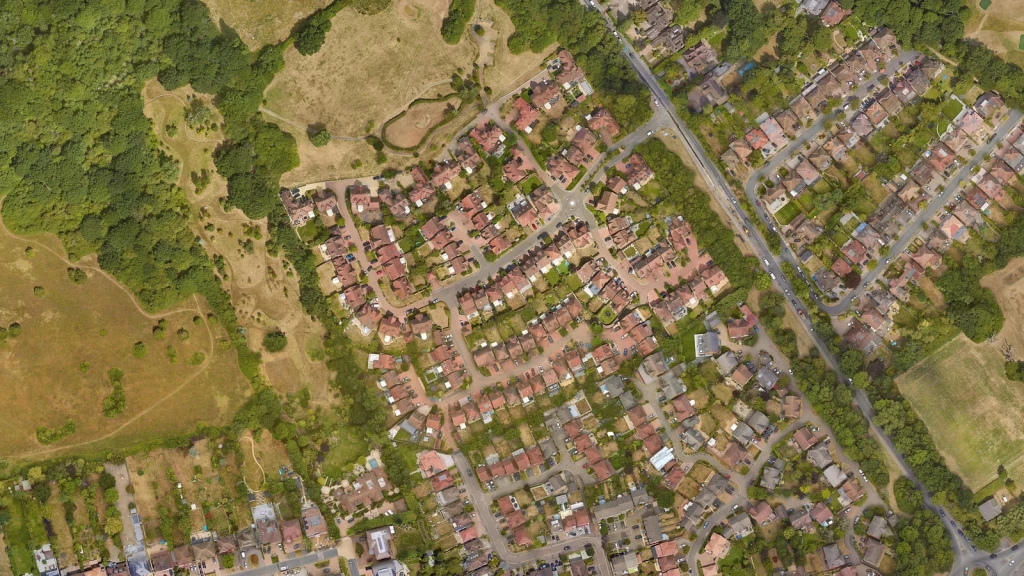
Since taking power in 2024, Labour has made liberalising the planning system a stated priority. Compulsory housing targets have returned, the five-year land supply requirement is back, the tilted balance once again favours development where councils fall short, and Grey Belt policy now distinguishes land by function, not just designation.
Yet the delivery numbers tell a different story. Q3 2025 recorded the fewest permissions since 2012. London started just 5,547 homes last year, an 80 per cent fall over the decade. With only 309,600 delivered since the election, the 1.5 million target is drifting further from reach.
Because delivery has not followed intent, the Government published a consultation draft for NPPF in December, barely a year after NPPF 2024. The shift has become the dominant conversation across the industry. If adopted, the draft NPPF will see national policy trump local policy in more decisions. In simple terms, if a scheme aligns with national priorities, a refusal becomes harder to justify.
Here at the practice, January has set the tone for the year ahead. We presented one of our Metropolitan Open Land (MOL) projects to a design review panel, a single dwelling pursued under Paragraph 139, which permits outstanding and innovative designs that raise sustainability and design standards.
We tackled a diverse mix of challenging projects across the country, from residential renovations and urban infill developments to Green Belt and Grey Belt schemes, and I joined Sky News live to discuss why building on certain parts of the Green Belt is essential to tackling the housing crisis.
We look forward to learning how we can help you. Simply fill in the form below and someone on our team will respond to you at the earliest opportunity.
The latest news, updates and expert views for ambitious, high-achieving and purpose-driven homeowners and property entrepreneurs.


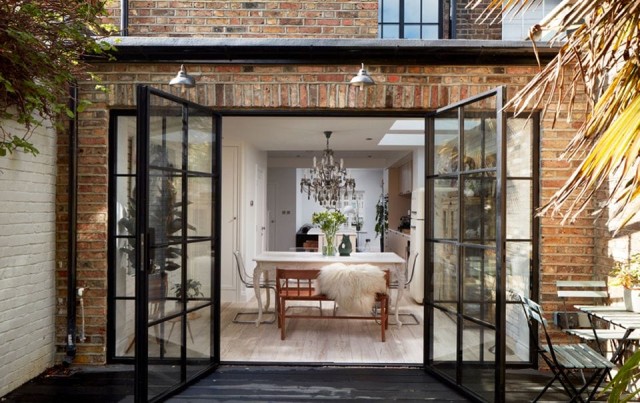
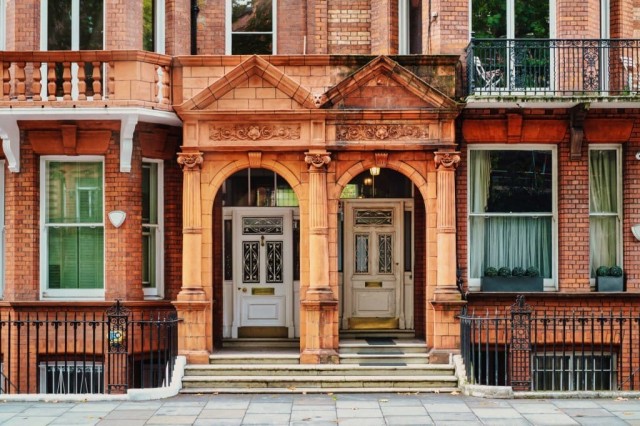


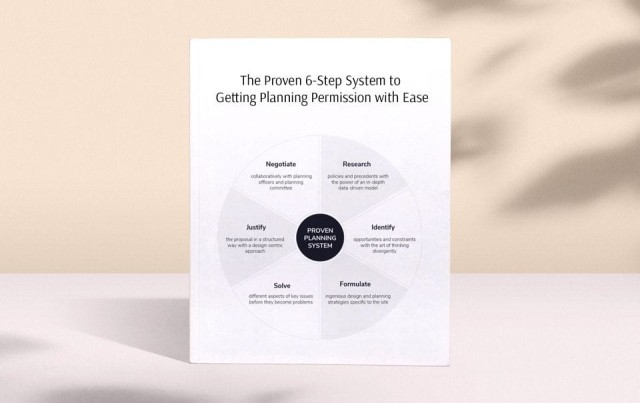
We specialise in crafting creative design and planning strategies to unlock the hidden potential of developments, secure planning permission and deliver imaginative projects on tricky sites
Write us a message