Read next
The latest news, updates and expert views for ambitious, high-achieving and purpose-driven homeowners and property entrepreneurs.

The case is undeniable: England needs more care beds.
The over-85 population will nearly double by mid-century, looked-after children numbers exceed 83,000, and NHS discharge pressures show no sign of easing. Demand is rising faster than supply can respond.
Yet securing planning permission for care homes, nursing homes and children's homes remains one of the most demanding consents to achieve, particularly in London, where approval rates trail every other region.
The planning system treats C2 residential institutions differently from standard housing. There are no permitted development shortcuts. Every care facility requires a formal application that must navigate neighbour concerns, highway objections, heritage constraints and potential affordable housing obligations. Get any of these wrong and refusal follows.
This guide sets out how to approach C2 use class applications with the rigour they demand: what distinguishes C2 from C3(b) supported housing, how to build a defensible needs case, what design decisions reduce planning risk, and why some boroughs approve readily while others create barriers.
The NPPF 2024 now explicitly supports care provision in Paragraphs 63 and 71, but policy support alone does not secure consent. What follows is the framework we apply to turn complex C2 proposals into approvable schemes that meet genuine local need.
Use class C2 covers residential institutions where care and management structure daily life rather than supplement it.
This is the planning designation for:
Care homes and nursing homes
Children’s homes
Residential schools or colleges
Hospitals and similar facilities
In short, C2 use class applies when care is the organising principle rather than an addition to domestic life.
The difference is how the place lives day to day: C3(b) is domestic life with support, while C2 is institutional care where timetables, shift systems, and clinical provision structure everything.
Daily routines differ:
C2: Scheduled mealtimes, programmed activities, controlled visitor access, medication routines setting the pace
C3(b): Residents share a domestic routine within a household setting
Staffing models diverge:
C2: Shift-based teams arriving for handovers, maintaining 24-hour coverage through rota systems
C3(b): Resident carers living alongside the group, sharing household life
Street activity changes:
C2: Managed pattern. Healthcare professionals arrive on a timetable, regular deliveries for food and supplies, and staff movements throughout the day and evening. This predictable flow signals a service rather than a household
C3(b): Domestic rhythm. Support workers drop in, key workers visit once or twice weekly and ordinary deliveries. Activity is occasional and low-key
Clinical provision separates them:
C2: Clinical territory. Nursing care, medical procedures, physiotherapy, structured therapy programmes requiring treatment rooms, secure medication storage, and specialist equipment space
C3(b): Personal care supporting daily living (help with washing, dressing, eating, medication prompts) within the rhythms of a home
Remember: If the proposal operates as a managed institution rather than a household, it falls within use class C2 and constitutes a material change of use. Consequently, you will need to secure planning permission for the change of use from the current use class to C2 use class.
Unlike many other use class changes, there are virtually no permitted development rights for converting to C2 use class. The GPDO 2015 provides no automatic right to change from C3 dwellinghouses, Class E commercial, C1 hotels, agricultural buildings, or any other use class to C2 residential institutions without full planning permission.
This absence of permitted development routes means every care home, nursing home, children's home or specialist care facility requires a formal planning application.
The only PD right involving C2 permits change from C2 to a state-funded school (Class T, Schedule 2, Part 3), subject to prior approval, and a previous right allowing conversion to registered nurseries was withdrawn in August 2021.
Equally, there is no permitted development right to convert from C2 to C3 residential dwellings. Operators closing care homes cannot simply convert to housing without planning permission, a constraint that directly affects exit strategies and asset value calculations.

Obtaining planning permission for C2 use depends on demonstrating two fundamental points:
There is a clear, evidenced need for the proposed care provision, and
The facility will operate compatibly within its residential context as a considerate neighbour.
This means that your planning application for C2 use should be structured around these core objectives, ensuring that policy compliance, design quality, operational management, and community engagement are all aligned and mutually reinforcing.
Each part of the submission should demonstrate that your proposal, be it a care home, nursing home, children’s home, or other specialist care setting, addresses a proven local need and sits comfortably with the surrounding character and amenity.
This isn't achieved through any single document or design decision, but through careful sequencing of choices from site selection onwards.
We have outlined below the framework we follow with our clients, demonstrating how each stage contributes to making that case.
Site selection shapes planning success before you even submit. Favour a plot that can operate at a domestic scale without requiring significant external alterations or generating activity levels that exceed residential norms.
Check access, parking provision, refuse collection arrangements, and outdoor amenity early in your search. Note heritage designations, conservation area constraints, or Article 4 directions that might restrict alterations.
Properties on quiet residential streets require more careful operational planning than those on arterial roads or mixed-use areas, while corner plots or properties with side access often provide better servicing arrangements.
The right site reduces planning risk and neighbour impact from the outset, making your application stronger before design work even begins.
Once you've identified a suitable site, establish why this specific facility is needed here and now. Planning officers assess whether the proposal meets an identified local need, so build your case using commissioning plans, waiting list data, and letters of support from health or social care partners.
Explain who will live here, what care needs they have, and why C2 is the correct use class for the level of support required. Demonstrate how the facility supports wider care pathways such as hospital discharge, transitions from children's to adult services, or care leavers moving towards independence. Reference demographic data showing gaps in current provision.
A strong needs case rooted in local authority priorities and supported by partner organisations makes refusal harder to justify and approval easier to recommend. This groundwork sets the strategic context for the design work that follows.
With the site secured and the case established, your architect begins developing the design. Planning permission hinges on how well the building fits its surroundings, so councils assess residential character, scale, neighbour amenity, parking provision, and streetscape impact from the outset.
Consider appointing a chartered architect with proven expertise in care design and a clear understanding of the planning sensitivities associated with care homes, nursing homes, children’s homes, and other specialist care environments.
They should minimise external alterations, provide adequate on-site parking for staff and visitors, position bin stores and service areas discreetly, and maintain garden space and boundary treatments consistent with the street. The building should read as domestic rather than institutional, avoiding any features that signal clinical or commercial use.
A chartered architect can also translate operational requirements into a design that addresses massing, fenestration, access, landscaping, and privacy concerns. This thinking, clearly articulated in preliminary drawings and design rationale, prepares the ground for pre-application discussions and demonstrates you've considered amenity, highways, waste management, and visual impact from the outset.
Armed with initial designs and a strong needs case, request pre-application advice from planning officers before formal submission. This is where your architects and town planners work together to persuade officers with good design and careful response to planning considerations. Their feedback reveals concerns early when changes cost less and the redesign is straightforward.
A chartered planning consultant can map the scheme clearly to national planning guidance, the London Plan, and the borough's local plan during these discussions. This means referencing specific policies on specialist accommodation, health and wellbeing infrastructure, design quality, transport provision, and neighbour amenity.
Don't make officers search for policy justification. Signpost the exact paragraphs that support your proposal and explain how your scheme delivers against them.
Alongside officer engagement, meet immediate neighbours before submitting. Explain your care model, who will live there, and how operational issues like parking, noise, and waste will be managed. Listen to concerns and be prepared to adjust your plans in response.
Your professional team is pivotal at this stage, turning feedback into credible design responses, refining operational details, and strengthening confidence in the proposal’s prospects. When engaged early on in a care home, nursing home, children’s home, or other specialist care application, they may help move potential objectors towards neutrality or support, while smoothing the route to a robust, efficient formal submission.
Following pre-application advice and neighbour consultation, your architects and town planners will progress the scheme into RIBA Stage 3, refining the design and coordination work needed for a submission-ready proposal.
This iterative process refines the design and operational plans to address concerns raised by planning officers and neighbours, ensuring the formal submission responds directly to feedback and demonstrates you've listened.
Your architect will now assemble the formal submission package, including detailed drawings, elevations, and street-scene studies that clearly demonstrate how the building sits within its wider context.
In parallel, your planning consultant will draft the Design and Access Statement, grounding the proposal in policy and setting out a comprehensive case for approval. It should evidence clear alignment with housing need assessments, local health and social care strategies, and any relevant supplementary planning documents on care provision.
Crucially, it should be structured so officers may lift the reasoning directly into their committee report. A well-founded policy narrative demonstrates that you understand the planning framework and have designed the scheme accordingly.
Together, they assemble the supporting documents that form your application, including proportionate technical reports where planning risk is highest. Avoid over-documenting low-risk elements. Councils want assurance on specific impacts, not exhaustive studies of everything.
Typical additions include a noise assessment if staff handovers or activity patterns might affect neighbours, a lighting statement if external lighting is proposed for safety or security, an odour assessment if meals are cooked at scale with commercial extraction, and a construction management plan for significant building works.
A transport statement covering parking provision, staff travel patterns, and service vehicle access addresses highway concerns. These targeted studies demonstrate you've identified risks and mitigated them without burying officers in unnecessary documentation.
The quality of submission matters. Clear planning drawings, well-reasoned statements, and targeted technical evidence make the officer's job easier and improve approval chances. Incomplete or unclear applications invite delay, additional information requests, and increased scrutiny that can derail even strong proposals.
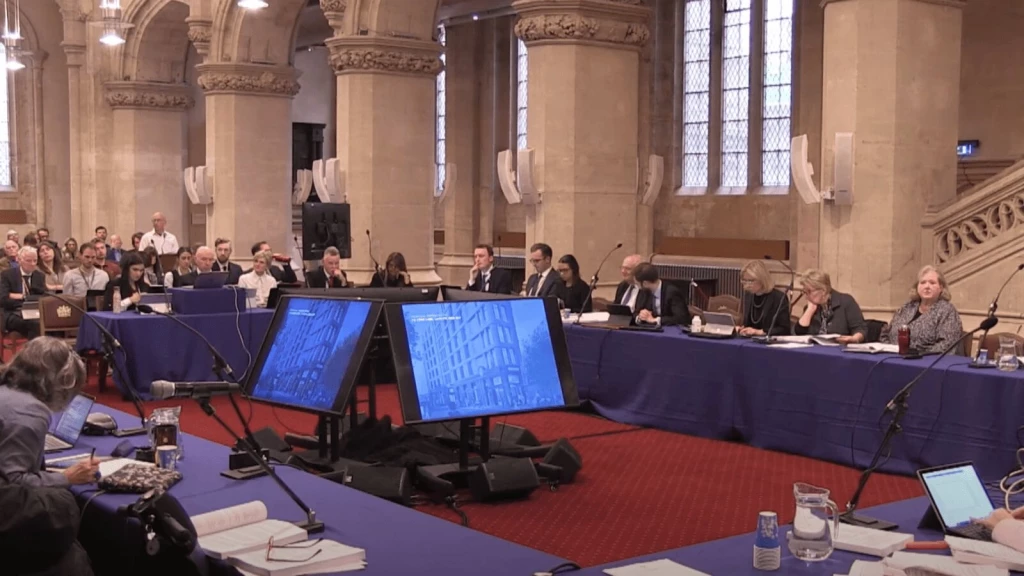
Planning consultants earn their value by transforming technical planning arguments into politically survivable narratives that give members cover for approval despite constituent opposition. This requires understanding that formal policy compliance and informal political survival operate as separate but equally essential requirements.
Preparation begins weeks before the planning committee, with intelligence gathering on individual ward councillors: their public statements on previous developments, political positioning, and whether they're portfolio holders for housing or social care.
Understanding individual member positions allows targeting of pre-committee briefings and identification of potential supporter-champions who might speak favourably during debate.
Consultants prepare their speech, distilling complex planning arguments into accessible summaries, emphasising policy compliance and strategic benefit. Crucially, they acknowledge concerns raised in objections, then systematically explain why planning policy requires these to be weighed against strategic need. Reading committee dynamics in real-time requires experience and political sensitivity that technical planning knowledge alone cannot provide.
What makes C2 applications politically defensible ultimately is demonstrating that approval serves the community's interests despite immediate neighbour objection. This means proving three things: the need is real and local, not abstract or distant; the site is genuinely appropriate, not just planning-convenient; and the operator is credible, with a track record or partnerships suggesting quality delivery.
Applications for a care home, nursing home, children’s home or other specialist care environment that fail any of these tests often struggle politically, even when technically compliant with planning policy. Experienced planning consultants bridge technical compliance and political acceptability, translating one into the other so members can approve with confidence they've served both planning law and community interest.
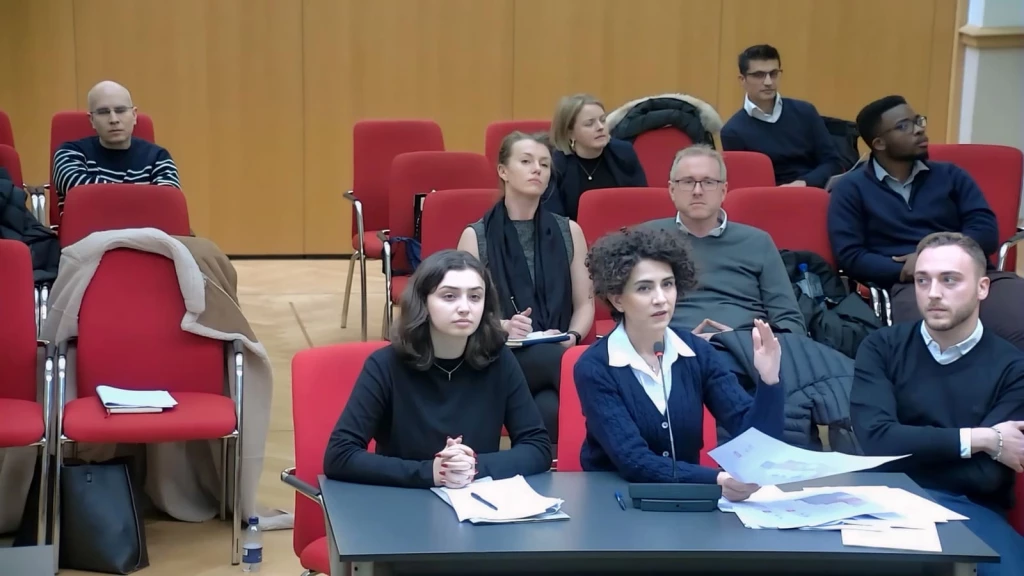
If you choose to speak at the planning committee, or if the local authority expects the applicant to present their case directly, you will typically have three minutes to address members. This opportunity can be decisive, transforming technical assessment into a public theatre where emotion and policy collide.
Planning Inspectorate data shows that appeals against committee refusals, which contradicted officer recommendations, achieve a 65% success rate, while major applications of ten or more units succeed at appeal 47% of the time, compared with 31% overall. These are important figures to bear in mind when deciding whether to challenge a refusal. Understanding what planning committees need to hear often determines whether delegated refusals are turned into committee approvals.
Use your speaking slot ruthlessly and efficiently. Do not rehearse technical details already in the officer report. Instead, address the emotional and political concerns animating opposition whilst anchoring everything in planning materiality.
Begin by directly acknowledging neighbour concerns, demonstrating you've listened rather than dismissed them. Then pivot immediately to how design and operational management address these worries whilst delivering essential care infrastructure.
The deeper insight is recognising that committee members operate in two registers simultaneously: the formal legal requirement to determine applications according to planning policy, and the informal political reality that councillors face re-election. Political defensibility rests on giving members positive reasons to approve, not just the absence of reasons to refuse.
This means framing the proposal as delivering council priorities, quoting the borough's adult social care strategy if it identifies bed shortages, and connecting explicitly to Local Plan objectives around supporting vulnerable residents. Members intuit that policy support alone doesn't make controversial development good for their council, so applications must demonstrate that approval serves community interests despite immediate neighbour objection.
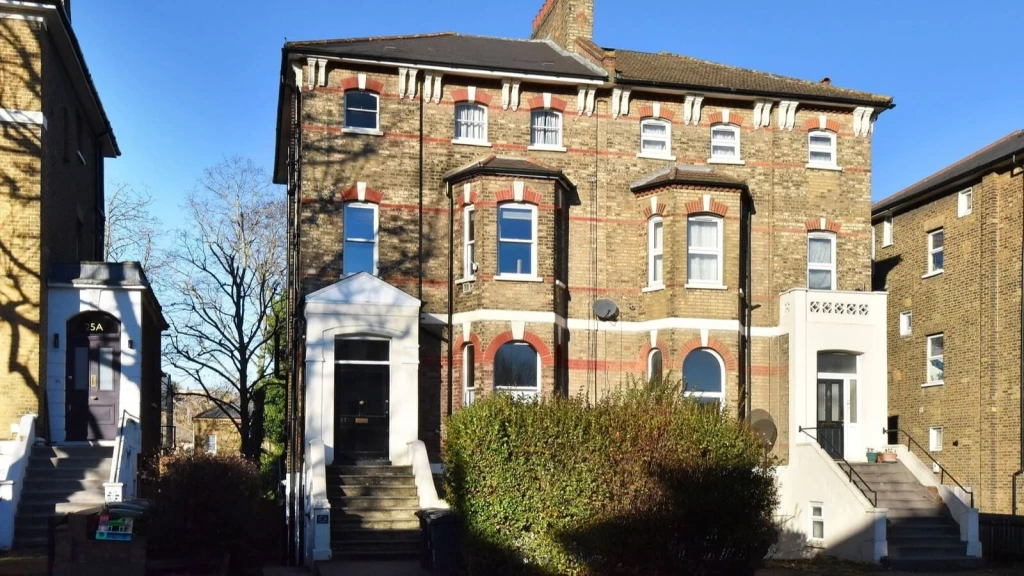
Conservation and heritage designations do not prevent care provision, but they change the test.
They ask you to show how modern accessibility and care standards can sit comfortably with the character, setting and historic fabric that define a place. The projects that succeed are the ones where the case for heritage and the case for inclusive care are told as one story.
For example, on an infill site in a conservation area, your architects will begin by reading the townscape and only then shaping the brief, so scale, massing, proportions and materials feel native to the street while the plan calmly absorbs wider corridors, a lift core and generous turning radii.
Elevations break to match plot rhythms, brick tones and mortar respect the context, and eaves and ridgelines align to keep the familiar skyline intact. Level approaches, gentle ramps and any platform lift are folded into the threshold and landscape so they feel integral rather than appended, while roof level elements such as a lift overrun or vents are handled as part of the roof form and kept visually recessive.
Your planning consultant then ties the architecture to the planning tests, setting out how the proposal preserves or enhances character and how the public benefits of meeting an evidenced care need, improving inclusive access and activating a long vacant gap weigh in the planning balance.
Early and iterative engagement with the conservation officer, supported by a clear Heritage Impact Assessment and a servicing and transport narrative that protects neighbour amenity, turns a sensitive design into a permissionable one.
On the other hand, when renovating and converting an existing listed building to C2 use, the emphasis moves inside, where every improvement to access meets the reality of significant fabric.
Your architects will work to an approach of adaptation without loss, retaining room proportions, staircases, joinery and decorative finishes while concentrating accessibility where it does the most good.
Accessible bedrooms and bathrooms are placed in secondary wings or later additions where possible, ceiling hoist routes follow existing voids, level thresholds come from subtle external regrading rather than cutting historic stone, and services are concealed within floor build-ups or existing chases to avoid damage. Where physical change would harm significance, the plan relies on reversibility and management, such as portable ramps, assisted evacuation procedures and targeted assistive technology.
Your planning consultant then steers the dual consent process, pairing planning permission with listed building consent and supporting both with a Heritage Statement that explains significance, shows that interventions are minimal and reversible, and sets out the public benefit of bringing an underused listed building into a secure long-term care use aligned with local need.
All in all, when the design logic and planning case for a care home, nursing home, children’s home or other specialist care environment move together in this way, authorities recognise that accessibility and heritage are not opposing aims but complementary forces that keep historic buildings alive, inclusive and valuable to their communities.

The planning framework for C2 appears uniform, yet approval rates vary dramatically between London boroughs.
Government statistics show London has the lowest planning approval rate of any English region, at 80-82%, compared to 91-92% in the North East. Within London, the variation is starker still, and understanding why reveals the hidden factors shaping C2 outcomes beyond formal policy.
Boroughs processing regular C2 applications develop institutional knowledge that manifests in smoother, more predictable outcomes. Officers recognise operational patterns, assess parking demand confidently, and apply consistent tests grounded in established precedent. Their reports demonstrate familiarity with care home functioning and refer to comparable approved schemes locally, providing clear benchmarks for assessment.
Conversely, boroughs encountering C2 applications rarely treat each as exceptional, requesting extensive technical studies to compensate for uncertainty and referring applications to committee by default rather than determining under delegated powers.
This experience gap compounds over time: receptive boroughs build pipelines attracting further applications, whilst those creating barriers see fewer proposals, perpetuating the knowledge deficit and maintaining unfamiliarity with the sector.
The difference extends beyond officer familiarity to how boroughs conceptualise care provision strategically. Some authorities treat C2 facilities as essential social infrastructure, equivalent to schools or GP surgeries, maintaining active dialogue with adult social care and children's services commissioning teams. They understand pipeline demand and weigh strategic need heavily in planning balance, recognising that blocking provision shifts pressure elsewhere rather than eliminating it.
Others view care homes as private sector activity that planning neither encourages nor obstructs, assessing proposals purely on land use impact without strategic context about commissioning gaps or demographic pressure.
This divergence appears not in policy documents but in internal processes: some boroughs convene cross-departmental working groups on care infrastructure, others operate in silos where planning and commissioning never intersect, leaving officers without the commissioning intelligence that could support approval.
Legal precedent has introduced a further variable affecting borough receptiveness. The 2020 High Court decision in Rectory Homes Limited v SSHCLG [2020] EWHC 2098 (Admin) ruled that C2 extra care schemes with self-contained units could constitute "dwellings" for affordable housing policy purposes where local plan policies refer to "dwellings" rather than specifically "C3 dwellings" - the policy wording, not the use class, determines liability.
South Oxfordshire's affordable housing requirement (40% under the Core Strategy Policy CSH3 at the time, now 50% under the Local Plan 2035) applied, fundamentally altering development viability and creating a precedent that rippled across planning authorities.
This means boroughs with policies referencing "dwellings" rather than specifically "C3 use class" can now require affordable housing contributions from certain C2 schemes, particularly extra care housing with self-contained units. This legal interpretation explains why some otherwise suitable boroughs attract fewer applications: once substantial affordable housing obligations apply to what developers considered exempt C2 development, the economics simply don't work, and operators search elsewhere.
The London Plan requires 867 care home beds annually to meet projected demand to 2029, whilst the current supply of new Good or Outstanding CQC-rated beds grows at approximately 3,525 bed-spaces yearly across London.
These figures suggest adequate provision, yet this headline surplus masks closures and quality issues: 76% of homes are over 20 years old, 29% of beds lack en-suite facilities, and 19% of homes are rated "requires improvement" or "inadequate" by the CQC.
Knight Frank projects 100,000 beds at risk of closure by 2040 due to obsolete stock, with current replacement rates of only 1-2% annually, wholly inadequate to address the legacy estate.
More critically, 816 care homes have been involuntarily closed by CQC since 2011 (representing 19,918 beds), and the distribution of remaining stock is profoundly uneven.
Some boroughs experience declining net bed supply as operators close marginal facilities or convert to more profitable uses, creating acute local shortages despite apparent citywide surplus.
This geographic mismatch between supply location and need location means that blanket assumptions about adequate provision mask genuine gaps in specific boroughs, often the very boroughs where planning applications face the greatest resistance due to officer unfamiliarity, lack of strategic prioritisation, or legal uncertainty following Rectory Homes.
The result is that demand for specialist care homes, nursing homes, children’s homes and supported living schemes becomes concentrated where delivery is hardest, perpetuating undersupply precisely where it is most acute.

Demographic pressure is reshaping the care landscape across England, and London is feeling it acutely.
The population is ageing, children with complex needs are living longer, and the shift away from institutional care towards community-based provision is accelerating. This creates sustained demand for C2 use classes that can deliver specialist care in residential settings.
The over-85 population is growing faster than any other age group. By 2040, England will have approximately 3 million people aged 85 and above, with ONS projections showing 3.3 million not reached until 2047.
This cohort has the highest care needs, with dementia prevalence rising sharply in older age groups. Many require nursing care, personal support, and environments designed for cognitive decline that only C2 facilities can provide.
London's older population is projected to grow by 50% by 2040, yet care home provision hasn't kept pace. Bed supply has actually declined in some boroughs as operators close marginal facilities or convert to more profitable uses. The supply-demand imbalance is acute, with waiting lists lengthening and families struggling to find suitable placements within a reasonable distance.
Children with profound learning disabilities, autism spectrum conditions, and complex medical needs are living longer due to advances in paediatric care. Many require residential provision that bridges health and social care, combining education with 24-hour support. C2 children's homes and residential schools meet this need in ways mainstream provision cannot.
Looked-after children numbers remain high across England, reaching 83,630 as of March 2024. Local authorities struggle to find sufficient placement capacity, particularly for children with challenging behaviour or mental health needs. Private and voluntary sector C2 children's homes fill critical gaps, though regional disparities mean some authorities place children far from home due to local shortages.
NHS trusts face relentless pressure to free up acute beds. Delayed transfers of care cost the system hundreds of millions annually and worsen patient outcomes. Intermediate care facilities operating under C2 provide step-down beds for patients who no longer need hospital treatment but aren't ready for home. These facilities support rehabilitation, therapy, and confidence-building before independent living resumes.
The pandemic amplified this need. Many older people lost fitness and confidence during lockdowns, requiring more intensive support post-discharge than previously. C2 intermediate care fills the gap between hospital and home, reducing readmissions and supporting recovery.
Government policy actively encourages moving away from large institutional settings towards smaller, community-based care homes that feel less clinical and more domestic. The Care Quality Commission's regulatory framework favours person-centred environments with private space, access to outdoor amenity, and integration with local communities.
This means more dispersed C2 provision across residential neighbourhoods rather than concentrated institutional campuses. Operators are seeking suitable properties in suburban and urban residential areas, driving planning applications in locations that historically wouldn't have seen care home development.
The transition from large Learning Disability hospitals to community-based supported living is ongoing. Following high-profile scandals in institutional settings, policy has pushed towards smaller C2 residential facilities and C3(b) supported housing models that offer greater independence and dignity.
This creates dual demand. Some individuals need C2 provision with structured support and clinical input. Others can manage in C3(b) settings with visiting care. The spectrum of need is wide, but both models require property in residential areas, putting pressure on housing stock and generating planning applications.
Care home operators face challenging economics. Staff costs are rising, regulatory requirements are tightening, and local authority fee rates often don't cover the true costs of delivery. This squeezes margins and makes new development financially marginal unless sites can be secured at a reasonable cost.
London property values make new-build care homes difficult to justify financially, yet London maintains the highest occupancy rates nationally (88-89%) with the fewest beds per capita, so operators target existing residential properties for conversion.
This puts them into planning processes where they must justify C2 use in areas zoned primarily for C3 residential. The tension between need and neighbour impact plays out repeatedly across planning committees.
Despite operational challenges, institutional investors increasingly view care provision as a stable social infrastructure with inflation-linked returns and demographic tailwinds. Pension funds and social investment vehicles are backing care home development and supported housing portfolios, providing capital that was previously scarce.
This investment seeks planning-consented sites with clear pathways to delivery. The demand for C2-appropriate properties with planning permission or realistic consent prospects has intensified competition and pushed values higher in suitable locations.
These converging factors mean that projects covering C2 use classes and related care environments will continue rising across London and England. But the real shift isn't simply volume: it's that care provision is moving from the margins of planning policy into its core strategic function.
Local authorities now face a fundamentally different question: not whether to accommodate care facilities, but how to do so without destabilising residential areas that were never designed to absorb institutional uses at scale. The challenge isn't individual applications but managing cumulative impact in neighbourhoods where multiple C2 conversions create tipping points that alter character irreversibly.
Our work as residential architects and town planners places us at this emerging frontier. Through extensive experience with C2 applications, we've observed that success increasingly depends on whether proposals contribute to the distributed care infrastructure or simply concentrate provision where planning resistance is weakest. The planning system can distinguish between these approaches, but only when applications make the case explicitly.
The most defensible C2 proposals now demonstrate three things simultaneously: they meet evidenced local need, they occupy sites genuinely suited to institutional operation without compromising residential function, and they form part of a coherent pattern of provision rather than opportunistic site exploitation. Applications that address only one or two of these elements face mounting resistance, even where policy support appears strong.
This isn't a higher bar but a different one. It recognises that care home provision has shifted from exceptional use requiring special justification to anticipated infrastructure requiring strategic placement.

What determines commercial viability in specialist care homes, nursing homes, children’s homes and supported living schemes is rarely the cost of land or construction. It is the funding ecosystem the scheme sits within. The difference between a project that stacks financially and one that dies at feasibility usually comes down to that choice.
The conventional route involves acquiring a site, securing planning, and then filling beds through local authority placements or self-funders. This route typically operates on punishing margins. Care economics are unforgiving because fee income is constantly squeezed by staffing costs (often cited as 60 to 70% of revenue) and premises costs (often cited as 15 to 20%).
By way of indicative illustration only, if local authority rates fall within a broad band such as £800 to £1,200 per week, a ten-bed home averaging £1,000 per resident could generate around £520,000 per annum. After operating costs, there may be little left for debt service, let alone a return on equity. If acquisition and adaptation costs rise materially, many schemes may cease to work within a standard operator-led model, which is precisely why robust feasibility assessment is essential at the earliest stage.
Planning policy risk has also intensified.
Community Infrastructure Levy treatment varies dramatically between charging authorities - some set C2 at £0 recognising viability constraints, while others charge up to £500 per square metre for care homes with self-contained elements, making early CIL liability checks essential.
Case law, such as Rectory Homes, has been interpreted by some authorities as supporting an approach where certain C2 schemes with self-contained units may be treated as “dwellings” for affordable housing purposes, where local policies are drafted by reference to “dwellings” rather than C3 specifically. On smaller schemes, any resulting obligation may be significant enough to undermine viability, depending on local policy thresholds and the authority’s position.
But there is another model entirely. Registered Providers and housing associations may operate outside conventional commercial logic. As not-for-profit entities, they reinvest surpluses into social purpose. They may blend public subsidy with their own capital, avoid shareholder return requirements, and accept longer paybacks, which in some situations can convert marginal schemes into deliverable ones. This is also why early due diligence should test not only the site and planning pathway, but the funding and commissioning framework that the scheme will ultimately depend upon.
These organisations are building different infrastructure. Housing associations now forge direct partnerships with the NHS for commissioning housing support services, backed by government policy pivoting from competition to integration, National Housing Federation. Many hold formal partnerships with local authorities for care delivery and work with NHS trusts on accommodation provision.
They don't acquire speculatively, then hunt for demand. They start with commissioning relationships, identify gaps in provision, and then develop with capital grants and guaranteed placement agreements that eliminate occupancy risk.
Social investment opens yet another route. The UK's £11.2 billion social investment market - with Better Society Capital (formerly Big Society Capital) deploying over £925 million into specialist funds - operates on patient capital principles that make commercial developers weep with envy. Health charities funding care infrastructure accept returns and timescales that would never pass a commercial investment committee. This capital makes viable what conventional finance cannot touch.
Here's what this means in practice: Viability of C2 use class isn't determined by whether your architect can value-engineer the build cost or whether you negotiate the site price down. It's determined by whether you're building within a commissioning partnership or gambling on the open market.
Traditional operators face impossible economics and planning committees hostile to speculative development. Those embedded in local authority partnerships, working with housing associations, or backed by social investment access capital structures and demand certainty that rewrite the entire feasibility model.
For leading C2 operators, the planning process is an integrated design-and-evidence process within specialist care homes, nursing homes, children’s homes and supported living schemes, rather than the primary obstacle.
They build commissioning relationships first, structure funding through partnerships, then approach planning with local authority backing and demonstrable need already established.
This is why certain boroughs see continuous C2 development whilst others remain hostile: it's not about planning policy generosity, it's about whether operators understand they're building public infrastructure, not speculative real estate.
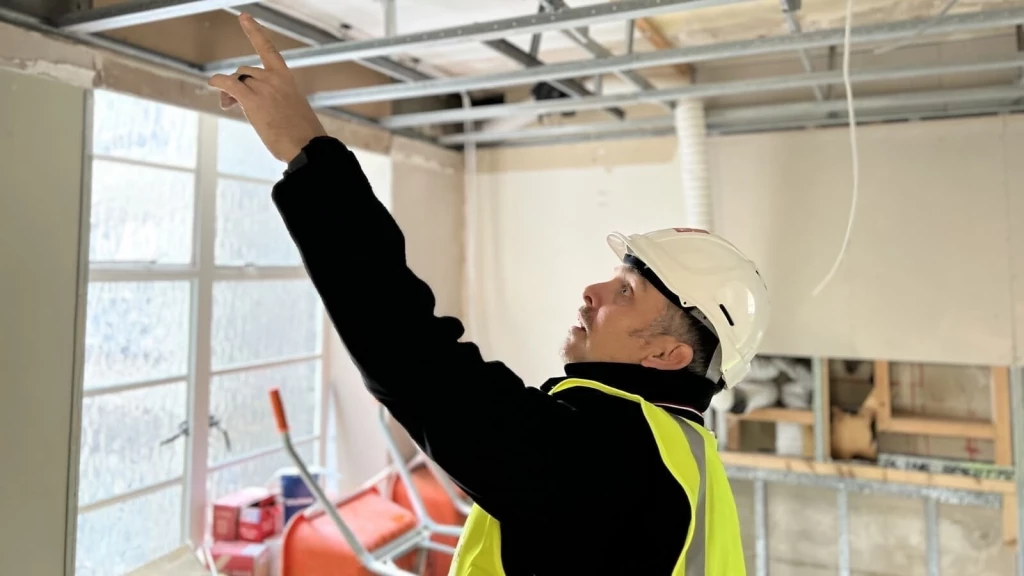
Inclusive design in C2 schemes isn’t a tick-box add-on. In fact, it’s the operating system.
Whether your residents are older people, adults with learning disabilities, or children with complex needs, the building must work for wheelchair users, ambulant disabled people, neurodivergent residents, visitors, and staff.
LPAs increasingly expect proposals to evidence not just what you’ve designed but how it performs against building regulations, M4(2)/M4(3) principles, and sector best practice for institutional care.
That's why we’ve developed the following checklist, a framework we apply to every C2 use class project at Urbanist Architecture to ensure inclusive design and accessibility are fully embedded from concept to completion.
An Inclusive Design Statement should be provided, aligned to resident profiles and care model, with a clear narrative of how accessibility is integrated from site to room.
A Part M compliance matrix should be included, mapping M4(1) baseline and M4(2)/M4(3) criteria to drawings and dimensions.
An exceptions/constraints log should be presented where full compliance is not achievable, with proportional mitigations set out.
A unit/room schedule should identify any M4(3) wheelchair user provision and any local policy percentages.
Principal entrances should be step-free with flush or near-flush thresholds and weather protection.
Lobbies should allow wheelchair turning and passing, with automatic or power-assisted doors where usage patterns indicate need.
Door entry and controls should be at accessible heights with clear visual contrast to assist low vision users.
Ensuite WCs and showers should demonstrate wheelchair approach, transfer zones and 1,500 mm turning (or equivalent T-turn) as applicable.
Walls in sanitary spaces should be reinforced for future grab rails and seats, with fittings specified for accessible use.
At least one assisted bathroom per floor/cluster should be provided where the care model requires carer co-working and hoist use.
Shower decks should be flush with appropriate falls, anti-scald protection and adequate drying areas.
Lounges, dining and activity rooms should support flexible layouts, generous circulation and acoustic comfort.
Direct, step-free access to usable outdoor amenity should be provided, with accessible paths, seating, shade and rest points.
Kitchenettes/refreshment points intended for resident use should provide reachable controls, knee space and safe clearances.
Wayfinding should be high-contrast, simple and consistent, with minimal decision points and logical room sequencing.
Lighting should reduce glare/flicker and support circadian comfort, with night-time low-level guidance where appropriate.
Material palettes should support recognition and spatial orientation (tonal contrast floors/walls/doors; careful use of patterns).
Acoustic separation and sound absorption should be considered to reduce stress and improve speech intelligibility.
A brief statement on Equality Act considerations should be included, with reference to reasonable adjustments in operation.
Evidence of engagement with access consultants, care operators and (where possible) lived-experience input should be summarised.
An Access Management Plan should outline maintenance of door operators/lifts/hoists, outage contingencies and staff training.

We worked on many projects covering C2 use classes and related care environments, partnering with registered providers, charities and operators to deliver specialist C2 schemes.
From early feasibility and needs-led planning strategy through concept design, pre-application engagement, full planning, building regulations and tender, we align design quality with operational reality and policy compliance.
If you’d like to work with a team that combines sector expertise with a proven planning approach to unlock viable, high-quality care projects, please get in touch.
We look forward to learning how we can help you. Simply fill in the form below and someone on our team will respond to you at the earliest opportunity.
The latest news, updates and expert views for ambitious, high-achieving and purpose-driven homeowners and property entrepreneurs.




We specialise in crafting creative design and planning strategies to unlock the hidden potential of developments, secure planning permission and deliver imaginative projects on tricky sites
Write us a message