Read next
The latest news, updates and expert views for ambitious, high-achieving and purpose-driven homeowners and property entrepreneurs.



Your planning application has been with the council for months. The drawings are public, neighbours have commented, and specialist consultees have begun to shape the officer's assessment. Perhaps the decision deadline has already passed.
Then a new National Planning Policy Framework 2026 (NPPF 2026) is published, changing the policies the council must consider before it decides your case. That creates a difficult choice.
Do you leave the application alone and rely on the new policy argument?
Do you amend the design, seek more homes or ask for additional time?
Would withdrawal and resubmission create a stronger scheme, or would it give up a valuable decision and appeal right?
The answer depends on what changed, how far the application has progressed, and whether the existing file can fairly carry the better proposal.
In this article, I explain how you and your consultants should assess those questions, engage with the case officer and choose between a supplementary planning statement, amendments, resubmission or appeal.
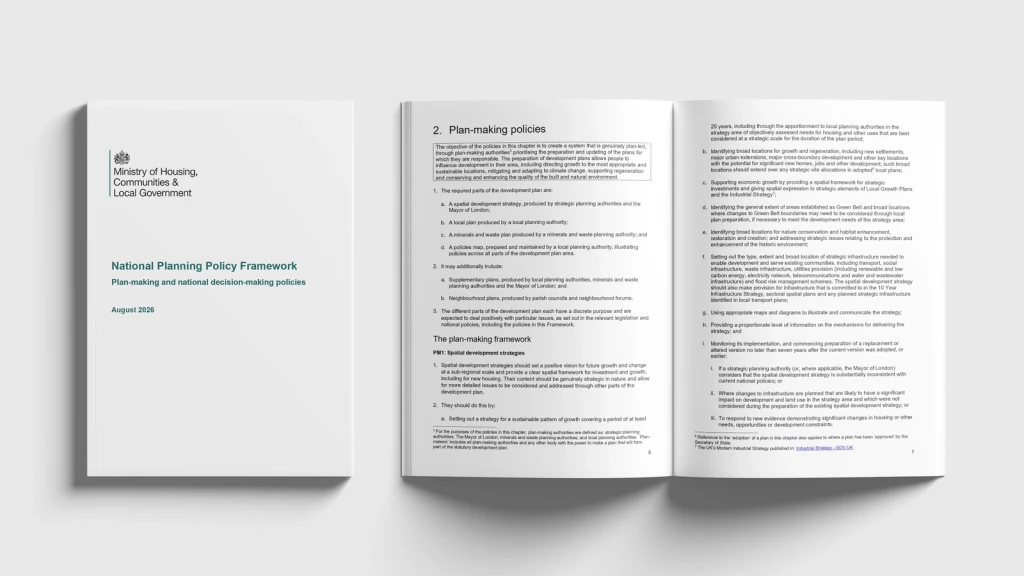
Yes. If the council had not issued its decision by 17 August 2026, the NPPF 2026 must now be taken into account. Submission or validation under the NPPF 2024 does not preserve the earlier framework.
The planning officer must assess the undetermined application against the development plan and the NPPF 2026, regardless of when it was submitted.
Central to the new framework is a more rules-based planning system, which clarifies how national decision-making tests relate to local plan policies. It does not, however, displace the development plan as the statutory starting point.
Under section 38(6), applications must be determined in accordance with the development plan unless material considerations indicate otherwise. The NPPF 2026 is one such material planning consideration and operates alongside, rather than automatically overriding, local policy.
Annex A of the NPPF 2026 becomes particularly important where local and national policies conflict. A local policy, or the relevant part of it, should receive very limited weight if it is materially inconsistent with an NPPF 2026 decision-making policy. This does not apply where the plan was examined and adopted, or made, under the new framework. The decisive issue is therefore the extent of the inconsistency, not simply the age of the policy.
This distinction has practical consequences for pending applications. Compared with the NPPF 2024, the NPPF 2026 provides a clearer and more supportive starting point for:
None of these routes guarantees permission. However, where a pending application falls within one of them, the NPPF 2026 can materially strengthen both the principle of development and its position in the planning balance.
Different transition arrangements apply to local and neighbourhood plans. Some plans may continue to be prepared or examined under the NPPF 2024, even though applications in the same area must be decided using the NPPF 2026 decision-making policies.
Your planning consultant should therefore assess the status and weight of emerging policies separately. This is particularly important where an officer report relies on an emerging allocation, a committee resolution predates 17 August 2026 or a draft local policy is being applied. Not every part of the planning policy system changed at the same time.
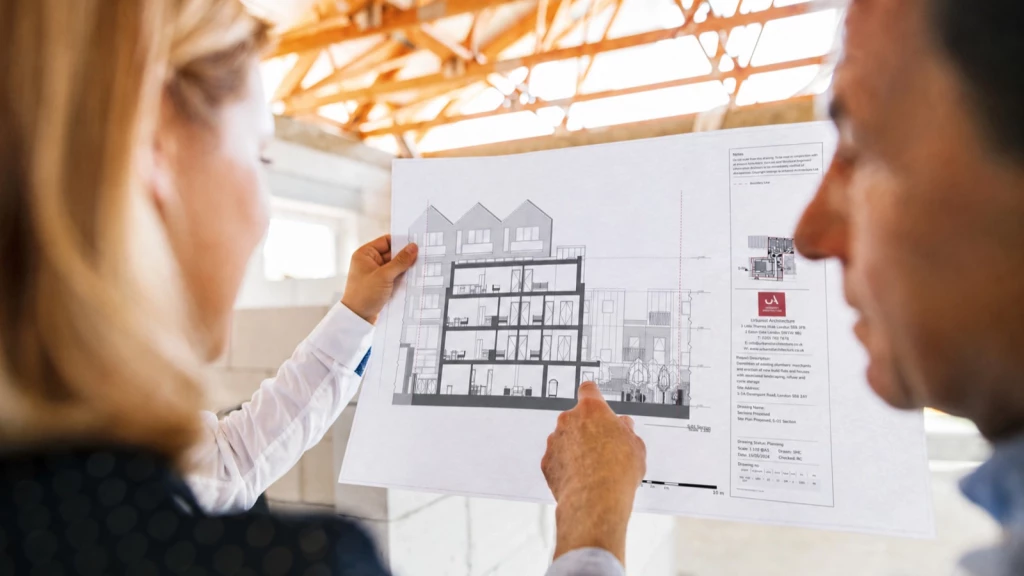
Start by identifying which broad scenario fits your application:
Retain the submitted scheme: Update the planning case where the design already satisfies the relevant final policy.
Make limited amendments: Correct a focused design or evidence issue without changing the essential nature or main effects of the proposal.
Seek more homes: Test greater development intensity where good design supports it, and the council will accept the revision within the live application.
Withdraw and resubmit: Use a fresh application where the best scheme is materially different from the one publicised.
Prepare a parallel application: Keep an acceptable scheme running while developing a better-supported alternative.
Address an overdue decision: Choose between a targeted extension of time and an appeal against non-determination.
Respond after refusal: Update the policy case within the applicable appeal procedure or submit a revised application.
The detailed routes below explain how to choose between these options.

Your planning consultant should first check exactly where your application has reached.
Is the case officer still reviewing it or writing the report?
Is it due to go before the planning committee?
Has the committee already voted, but the council has not yet issued the decision notice?
Or, has the decision deadline passed?
Each stage may require a different response.
Your planning consultant should review the application file and confirm:
the validation date, application type and description of development;
the decision deadline and any agreed extension of time;
the case officer's current position and any unresolved consultee objections;
whether the officer report has been prepared or published;
whether a committee date or resolution exists;
whether a section 106 agreement or other approval is outstanding;
whether the decision notice has been issued; and
any appeal or non-determination deadline.
Your planning consultant should identify:
the national decision-making policy that now applies;
any local policy that may carry less weight;
the officer concern or consultee objection affected; and
whether the change strengthens only the planning argument or also requires a different design.
This distinction determines whether a focused supplementary planning statement is enough or whether your architect must also revise the scheme and supporting reports.
Your planning consultant should contact the case officer as soon as a relevant NPPF 2026 policy is identified, ideally before the officer completes the assessment or publishes the committee report.
The written approach should explain:
which policy applies and how it may change the assessment;
whether a supplementary planning statement will be submitted;
whether the council will accept any proposed amendments;
whether further consultation is likely; and
how the new material may affect the decision timetable.
A phone call may help, but it should be followed by an email so the application file contains a clear record. If more time is needed, any extension should be linked to specific actions and a realistic decision date.
Your planning consultant should normally prepare a focused supplementary planning statement rather than rewrite the complete application. It should:
identify the application, its stage and the relevant NPPF 2026 policy;
explain how the new policy works alongside the development plan;
apply the policy to the site, drawings and supporting evidence;
explain what changed, what did not change and what must still be proved;
identify any revised drawings, reports, conditions or obligations; and
make a clear procedural request to the case officer.
Policy codes, paragraph numbers, dates and sources should be accurate. Draft guidance or consultation material must not be presented as adopted policy.
Evidence should be updated only where it could affect the decision. If the case relies on the council lacking a five-year supply of deliverable housing sites, your planning consultant should provide the latest evidence and calculation.
Technical reports do not need replacing simply because they are several months old. Your planning consultant should check whether the policy, evidence or survey baseline has changed. Your architect should confirm that transport, flood risk, heritage, ecology, biodiversity net gain, daylight, privacy and infrastructure reports still assess the scheme shown on the latest planning drawings.

The right route depends on whether the NPPF 2026 changes only the planning argument or also supports a different physical proposal. You should compare the potential benefit with the application stage, cost, programme, and value of preserving the pending decision or appeal right.
Retain the submitted drawings where the design already meets the relevant test and the NPPF 2026 changes only the principle of development, the weight of a local policy, or the planning balance.
Your planning consultant can update the policy case without creating unnecessary design coordination or consultation risk. This preserves the publicised scheme, pending decision and any appeal right arising from it.
Limited revisions may be appropriate where a physical response is needed, but the proposal remains recognisably the same development. Examples include:
correcting inconsistent plan references;
clarifying dimensions or relationships;
refining materials, massing or landscaping;
reducing an identified impact;
improving a pedestrian connection; or
adding a missing schedule without changing the proposal itself.
Your architect should issue a revision note listing every changed and superseded drawing and explaining the effect of each change. Your planning consultant should confirm which reports relied on the previous drawings and whether the planning authority requires further consultation.
The NPPF 2026 may create scope for more homes or a more efficient use of the site, but any increase should begin with a design-led capacity assessment rather than a predetermined unit number. Your architect should test whether greater housing density can be achieved without unacceptable effects on character, movement, daylight, privacy, living conditions, heritage, ecology, servicing or infrastructure.
That assessment should establish both the site’s defensible capacity and whether the proposed changes can fairly remain within the live application. Leaving the site underdeveloped may sacrifice value, but introducing a materially different scheme may place the decision and timetable at risk.
This is particularly important if the site falls within the potential catchment of a qualifying station. The new station-led policies may support greater development intensity, but only where the station qualifies, the actual walking route works, the density responds to its context and the design is sound. Even if those tests are satisfied, the council must still decide whether the additional homes would change the description, scale or main effects of the submitted proposal.
The draft Design and Placemaking Planning Practice Guidance (PPG) can help inform this assessment by illustrating emerging approaches to density, movement and design. It remains consultation material rather than adopted policy. In my view, much of it is likely to be retained with only limited refinement, so it already provides a useful indication of the direction of national design policy.
You should consider withdrawal and resubmission where the best scheme under the NPPF 2026 is materially different from the publicised proposal, or where repeated changes have made the application record unclear.
A new application is more likely to be needed if the description, scale, access, use, red line or main environmental effects would change. National planning practice guidance on making an application confirms that the council decides whether post-validation changes can be accepted or require a fresh submission. There is no fixed national percentage or design threshold, so your planning consultant should seek the case officer's written view before your architect begins a major redesign.
Withdrawal gives up the pending decision and the appeal right that would follow it. Resubmission involves a new validation, consultation, fee and determination period. Check the current planning fee rules rather than assuming a repeat application will be free. You should compare that cost with the value of creating a clear and better-supported application record.
If the submitted scheme remains acceptable, you may allow it to proceed while a separate, more ambitious application is prepared. Planning permission for the first scheme can provide a fallback position while your architect develops and tests the alternative properly.
Your planning consultant should ensure the two applications do not undermine each other's planning cases and that the council understands which options are being pursued. You should decide whether the additional time and professional fees are justified by the potential difference in development value.
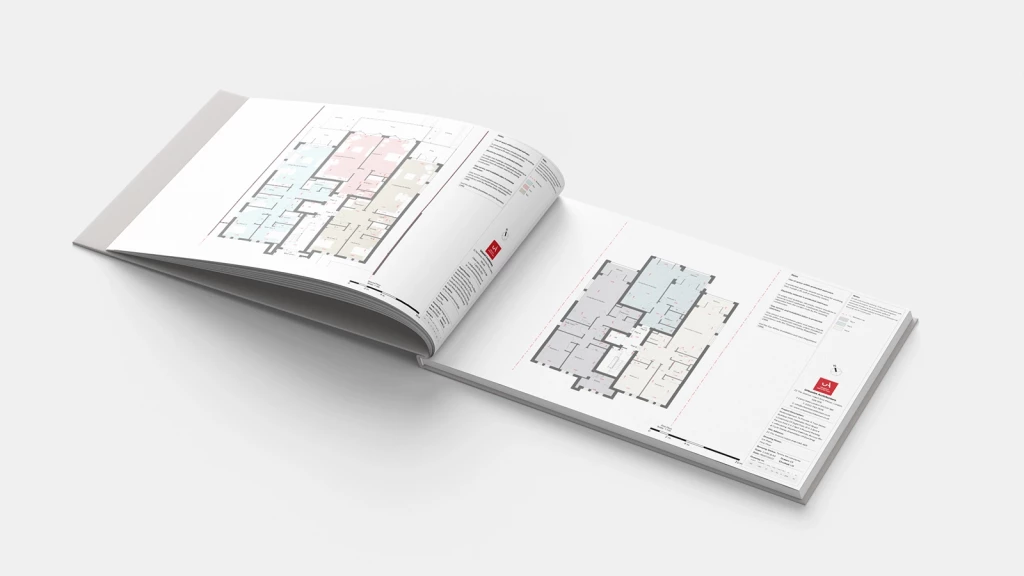
Sometimes. The council decides whether to accept revised plans, whether they create a materially different proposal and whether fairness requires further consultation.
Corrections, clarifications and localised design changes are the most likely to be accepted. A new description, materially greater scale, different use, new access, altered red line or new environmental effect is more likely to require a fresh application.
Your architect should define the design changes clearly. Your planning consultant should then assess whether they alter what neighbours and consultees were originally asked to consider.
The government's guidance on consultation and pre-decision matters says the council decides whether further publicity or consultation is needed in the interests of fairness.
In R (Dixon) v Boom Developments Ltd [2026] EWHC 1272 (Admin), additional planting and material addressing the new Grey Belt policy did not alter the nature or scope of the scheme, so reconsultation was not required.
By contrast, R (Holborn Studios Ltd) v London Borough of Hackney [2017] EWHC 2823 (Admin) shows that significant new material may require consultation where it could affect the comments people would make.
In practice:
a policy update statement with no design change is less likely to require reconsultation;
a revision creating a new or materially different effect is more likely to require it; and
revised information may need a new consultee response even where the drawing change is limited.
Reconsultation or revised evidence may delay the decision. The government's guidance on determining a planning application and Article 34 of the Development Management Procedure Order 2015 require an extension to be agreed in writing with an expected decision date.
Agreeing an extension is a strategic decision, not a routine administrative step. Before you agree, your planning consultant should liaise with the case officer to establish why more time is needed, what issues remain, what amendments, evidence or consultation could resolve them, and when the application will be decided. The additional period should then be actively managed, with clear actions and deadlines agreed with the planning authority.
You should agree to an extension only where the extra time creates a credible route towards planning permission. An open-ended extension with no clear purpose may simply postpone a refusal or delay your ability to appeal against non-determination.
The later the application stage, the less opportunity there is to introduce new material. Your planning consultant should act quickly and focus on information that could affect the recommendation or decision.
If the report is still being drafted, your planning consultant should submit a supplementary planning statement immediately and ask the officer to confirm that the assessment and recommendation will be updated. This may be the final opportunity for the new policy to shape the report directly.
If the report has been published, the officer may issue a planning policy update, record a late representation, recommend deferral or proceed with the new material noted. Your planning consultant should ask in writing how the NPPF 2026 will be addressed and whether anything further is required.
From 31 October 2026, the National Scheme of Delegation of Planning Functions will require specified applications to be decided by officers and create a presumption of delegation for other categories, subject to the statutory referral process. The planning application process will therefore depend on the application category and the council's arrangements. Until the national scheme takes effect, check the council's existing constitution rather than assuming the application will go to committee.
A committee resolution is not a formal decision. The decision date is normally the date the notice is issued, and Article 35 of the Development Management Procedure Order 2015 governs its content.
Until that notice is issued, the council's duty under section 70(2) of the Town and Country Planning Act 1990 to consider material planning matters continues.
In R (Kides) v South Cambridgeshire District Council [2002] EWCA Civ 1370, the Court of Appeal held that a new consideration arising after resolution should be assessed and referred back where it could rationally change the decision.
Your planning consultant should therefore review any unresolved application on 17 August 2026 before the notice is issued. This does not mean every case must return to committee. The council must decide whether the policy change is material and apply its constitution and delegation rules.
Where approval is subject to a section 106 agreement, your planning consultant should check whether the policy change affects the benefits, heads of terms or justification for an obligation. A change outside the authority delegated to officers may require further approval.
If members resolve to refuse but no notice has been issued, your planning consultant should submit the policy note immediately and ask how it will be considered. Until the notice exists, do not treat the resolution as a formal refusal or fixed appeal record.
In my experience, applicants and their teams often overlook this short period between the committee resolution and the issue of the decision notice. Yet it may be the final opportunity to place the NPPF 2026 case on the application record, ask the council to reconsider its implications and protect the applicant’s position if the matter proceeds to appeal.
You can continue negotiating, agree to a targeted extension or appeal against non-determination. The right choice depends on whether further time offers a credible route to permission.
Planning delays are widespread across England. The data we examined about planning permission timelines shows why official “on-time” figures may include applications decided after the original statutory deadline under an agreed Extension of Time.
An extension may be agreed after the original determination period has expired if both parties confirm it in writing and you have not given notice of a non-determination appeal. Once that notice has been given, Article 34 prevents an extension from being agreed.
If a valid application is not decided within the statutory or agreed extended period, section 78 of the Town and Country Planning Act 1990 provides a right of appeal against non-determination.
For most applications, the planning appeal must be received within six months of the relevant period ending, although your planning consultant should check the application type and current procedural guide. The appeal transfers the decision to the Planning Inspectorate and, under the post-April 2026 guide, follows the Part 2 written representations procedure.
Waiting may be worthwhile where the officer identifies a clear route to approval. It is less useful where objections are unresolved and repeated extensions produce no progress.
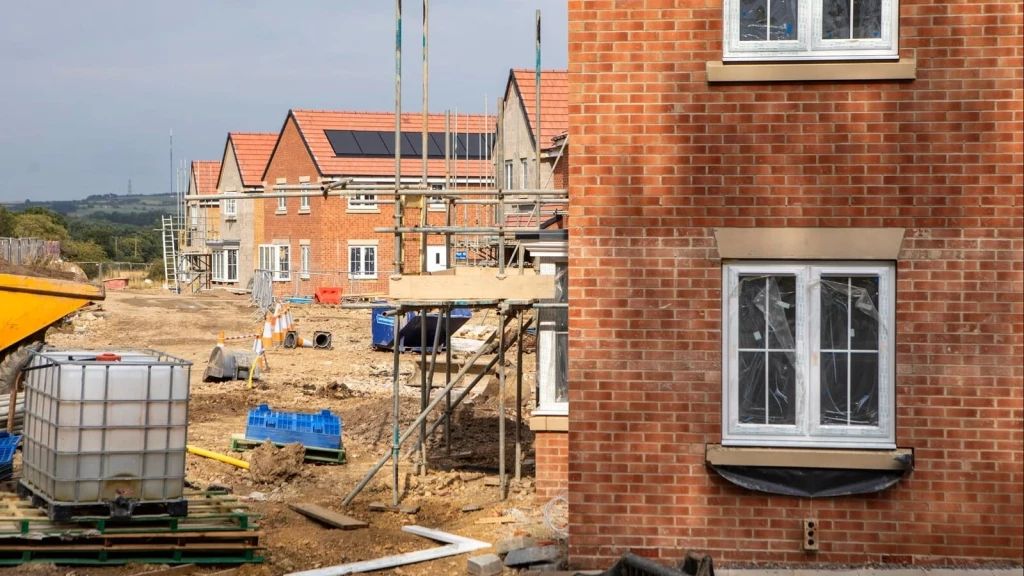
The new framework may improve policy support, but it cannot remove an express refusal policy, unresolved physical harm, or benefits that the application cannot deliver.
Your planning consultant should check whether another national decision-making policy protects the land, asset or effect, or directs refusal in particular circumstances. Local Green Space, heritage, habitats, flood risk and Green Belt have their own tests, which a favourable policy elsewhere in the NPPF 2026 does not override.
Your architect should recheck access, transport, flood risk, heritage, ecology, trees, landscape, daylight, privacy, noise, air quality, utilities, emergency access and third-party land rights. Your design team should identify what can be designed out, mitigated, conditioned or secured and what would require a different scheme.
The main reasons for planning permission refusal show why design, amenity, highways and evidence problems may survive a change in national policy.
You should rely only on benefits the proposal can deliver. Your planning consultant should connect each claimed benefit to a drawing, calculation, condition, obligation or delivery programme rather than presenting it as generic, double-counted or outside your control.

Yes, if it weakens a reason for refusal or changes the planning balance. It does not invalidate an earlier lawful decision or extend the appeal deadline.
Your planning consultant should review each reason for refusal separately:
Policy-led: It may be weakened where it relies on local wording that materially conflicts with a final national decision-making policy.
Mixed: It needs an updated policy case and evidence showing that the harm is absent, reduced or outweighed.
Technical or design-led: It continues unless your architect can show that the scheme or evidence resolves it.
The review should cover the decision notice, officer report, committee minutes, approved documents and policies cited. The NPPF 2026 may make a refusal harder to defend, but it does not make the reason disappear.
You should consider an appeal where the application record already contains the drawings and evidence needed to answer the remaining issues and the dispute concerns policy, weight or planning judgement.
Resubmission is usually the better route where your architect needs to redesign the proposal or prepare a materially different package that should first be considered by the planning authority and interested parties. Negotiations can continue, but they do not extend the statutory appeal period.
In practice, we are regularly instructed on schemes after an earlier application has been refused or a previous approach has not secured planning permission. At Urbanist Architecture, our first step is not simply to re-submit the same proposal with a stronger Design & Access Statement.
We reassess the reasons for refusal against the national policy framework then in force, test whether the design and development intensity still represent the best response to the site, and identify where the drawings, technical evidence or planning case need to change.
On some schemes, the strongest route is a targeted appeal. On others, a revised application provides the better opportunity to address the council's concerns while taking advantage of a more supportive policy position. The important point is to distinguish between a refusal that has become harder to defend in policy terms and a scheme that still needs substantive design or technical work.
Check the decision notice and the current Planning Inspectorate time limits immediately. Most planning appeals have a six-month limit, while householder and minor commercial appeals generally have a 12-week limit and advertisement appeals an eight-week limit. Related enforcement action may shorten the period further.

You should use the NPPF 2026 to strengthen the policy case for the scheme considered by the council, not to turn your planning appeal into a new application.
This is particularly important where the appeal concerns housing within a settlement, the better use of vacant or underused land, a qualifying Grey Belt or previously developed Green Belt site, homes near a well-connected station, or housing responding to an evidenced unmet need. These proposals now have a stronger policy basis than they did under the NPPF 2024.
However, I would not simply tell the inspector that national policy has become more supportive. The appeal should identify the policy that now applies, show why the proposal satisfies its tests and explain how that changes each reason for refusal and the overall planning balance.
The applicable appeal procedure depends on when the underlying planning application was submitted, not when the appeal is lodged.
For applications submitted on or after 1 April 2026, most section 78 refusal planning appeals begin under the Part 1 written representations procedure. The inspector mainly relies on the application documents, decision notice, officer report, committee minutes, appeal form and council questionnaire.
Applications submitted on or before 31 March 2026 follow the earlier procedural guide. It allows fuller representations in relevant cases but still discourages attempts to repair an incomplete application or redesign the scheme at appeal.
If refusal appears likely, your planning consultant should put the final NPPF 2026 argument, supporting evidence, proposed conditions and obligation position before the council now.
Under Part 1, a material policy change after the council's decision may justify limited new evidence. If the NPPF 2026 postdates the refusal, identify the change on the appeal form. The Inspectorate may request specific information, move the appeal to Part 2 or decide it on the existing record.
For Part 2 written representations, hearings and inquiries, your planning consultant should notify the Inspectorate promptly if the new national policy is material. The update should explain the former and current tests, the effect on each reason for refusal and the planning balance. The Inspectorate decides whether late material can be accepted fairly.
It is not enough to say that the NPPF 2026 supports development. The appeal must show how the policy changes the case, which harms have been resolved and which benefits are secured.
Part 1 will not normally accept scheme amendments or evidence that the council did not consider. Under Part 2, a hearing or inquiry, an amendment must leave the substance of the proposal unchanged and preserve a fair opportunity for interested parties to respond.
If overcoming the refusal requires substantial redesign or detailed new technical evidence, your architect and planning consultant should normally advise you to submit a revised planning application. An appeal will not usually be paused to consult on an evolving scheme.

The NPPF 2026 creates a meaningful opportunity for applicants with undetermined applications, but many have not yet recognised how it may strengthen their planning case. The new framework can shift the planning balance, reduce the weight attached to materially inconsistent local policy and make potential reasons for refusal harder to sustain. However, that advantage requires a clear, site-specific case.
On complex live applications I am currently leading, including infill housing, Grey Belt and station-led schemes, I engage directly with case officers and ensure the relevant policy analysis is placed formally on the application record.
This is also important for any subsequent Part 1 appeal, where evidence omitted before determination will not normally be accepted. Outdated statements, inconsistent drawings or unresolved planning obligations may weaken both the application and the appeal position.
Stronger national support for housing is not a substitute for good design. Where the NPPF 2026 supports greater development intensity, the site’s capacity must be tested through coordinated design and technical evidence, with proper regard to character, infrastructure and the living conditions of future occupiers and existing neighbours. Simply adding more units or storeys is not a planning strategy.
For each client, I therefore undertake a joined-up review of the policy change, application stage, design, supporting evidence, procedural position and commercial risk. The findings determine the most appropriate route. This may be a focused supplementary planning statement, coordinated revisions with our architectural team, a materially different resubmission or an appeal where the council has misapplied current policy.
The opportunity is real, but timing and execution are decisive. It must be pursued through the right route and supported by robust design, current evidence and a credible delivery strategy.
We look forward to learning how we can help you. Simply fill in the form below and someone on our team will respond to you at the earliest opportunity.
The latest news, updates and expert views for ambitious, high-achieving and purpose-driven homeowners and property entrepreneurs.






We specialise in crafting creative design and planning strategies to unlock the hidden potential of developments, secure planning permission and deliver imaginative projects on tricky sites
Write us a message