Read next
The latest news, updates and expert views for ambitious, high-achieving and purpose-driven homeowners and property entrepreneurs.


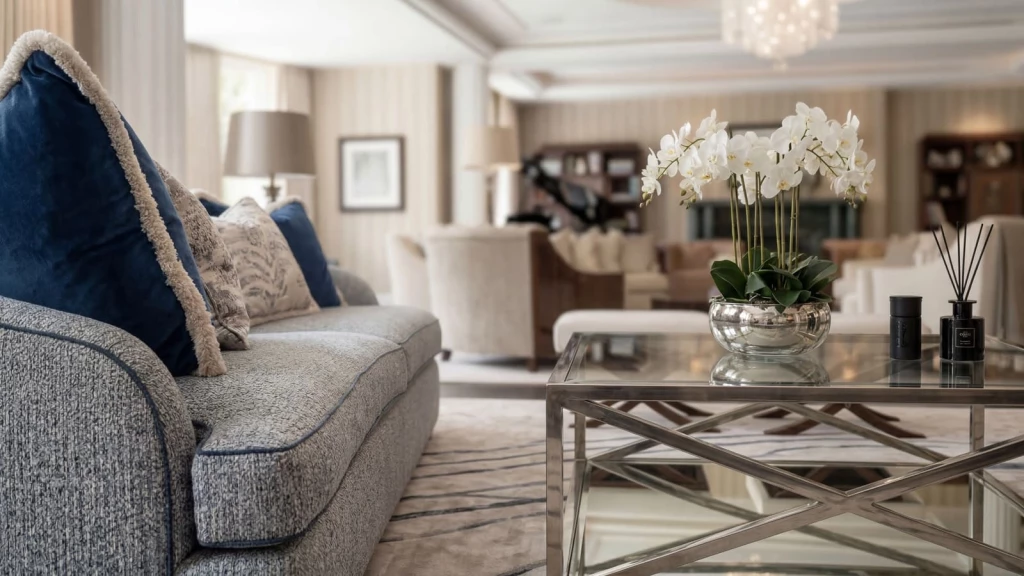
There is a room that feels like it has always looked this way. The furniture is substantial, the colours are deep and considered, and everything seems to have been placed with quiet certainty. You cannot quite put your finger on why it works. It simply does.
There is another kind of room that feels entirely different: warmer, softer, a little unpredictable, as though it grew rather than was designed. Nothing quite matches, and yet everything belongs. The overall effect is one of generous, unhurried ease.
Both rooms are beautiful. Both draw on heritage, quality and a respect for the past. And yet they are doing completely different things.
The first is old money. The second is English country house style.
These two interiors are spoken about as if they are interchangeable. They are not, and the difference matters more than most people realise.
Old money style is polished, tailored and quietly formal. It suggests inherited confidence, urban pedigree and an ease that has no interest in spectacle. English country house style is softer, looser and more layered. It feels collected over time, shaped by daily life, and genuinely comfortable with a little imperfection.
Blur the two too casually and a room ends up feeling neither elegant nor relaxed, more like a themed collage than a coherent interior. Get the distinction right, however, and you can create a home that feels rooted, believable and architecturally appropriate. That is what this article is about.
We explore where the two styles overlap, where they diverge, and how each one works in practice. We look at colour palettes, wall treatments, furniture, decorative details and room planning. We also consider how the character of a London townhouse differs from that of a country house, and why that should shape every decision you make.
Before we get into the detail, here is a snapshot of the key differences:
|
Feature |
Old money interior design |
English country House interior design |
|
Vibe |
Quiet, formal, curated, high-status |
Lived-in, cosy, eclectic, relaxed |
|
Palette |
Cream, taupe, warm grey, navy, forest green, burgundy |
Moss, sage, ochre, terracotta, soft blues, faded pinks |
|
Patterns |
Subtle stripes, damasks, tonal geometrics |
Florals, chintz, tartan, toile, mixed prints |
|
Furniture |
Mahogany, walnut, club chairs, symmetrical layouts |
Slipcovered seating, overstuffed sofas, mixed antiques |
|
Fabrics and materials |
Velvet, silk, leather, cashmere, brass, marble |
Linen, wool, tweed, chintz, painted timber, natural oak |
|
Overall mood |
Restrained elegance |
Warmth, charm and informality |
In simple terms, old money is about refinement and restraint, while English country house style is about comfort and character.
But the best version of either style is never about buying a look. It is about understanding the atmosphere you want to create, the architecture you are working with, and the way you genuinely live. Get those three things right, and everything else follows.
Ask most people to describe an old money interior and an English country house, and the answers will sound surprisingly similar. And that, in itself, tells you something important.
Both old money interior design and English country house style rely on antiques, heritage colours, quality materials and a certain respect for the past. Both reject the disposable feel of trend-led interiors. Both may include traditional joinery, patterned textiles, books, artworks and objects with provenance. On the surface, the ingredients look remarkably similar, and that is precisely why the confusion is so common.
But look more closely, and the resemblance begins to dissolve.
English country house style wears history openly. It is happy to show the accumulated life of a home through floral fabrics, worn timber, layered rugs, family pictures, mismatched lamps and objects that look as though they were placed there years ago and never moved because they still feel right. The overall effect is warm, eclectic and deeply lived-in. The room tells you it has been loved.
Old money interiors tell a different story entirely. They also value inheritance, memory and continuity, but they express those ideas through discipline rather than accumulation. The room feels composed. Every piece seems deliberate. There is less visual noise, more order, and a stronger sense that the interior has been shaped by judgement rather than instinct.
This is also what separates old money style from quiet luxury interior design more broadly: it is not just about beautiful finishes and calm palettes. It is about a room that feels as though it has a history worth inheriting.
That is the real dividing line between these two classic British interior design styles. Country house style tells you the house has been lived in generously. Old money style tells you the house has been curated quietly. Same ingredients. Entirely different atmospheres.
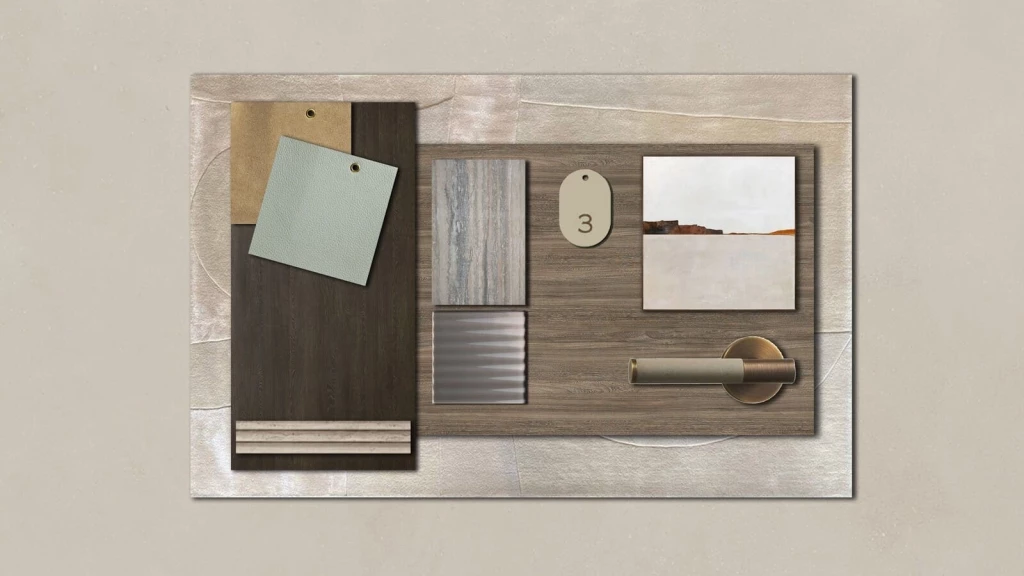
Old money style is rooted in the visual language of inherited wealth. It is often linked with quiet luxury, but the phrase goes deeper than expensive finishes or tasteful neutrals. At its best, it evokes a set of qualities that are easier to recognise than to manufacture:
Continuity: a sense that the room has evolved over time rather than been assembled recently
Education: an ease with quality that comes from long familiarity rather than recent acquisition
Confidence: an interior that has no interest in spectacle and nothing to prove
Restraint: luxury that is present but never announced
It can feel club-like, aristocratic, Ivy League, continental or vaguely ancestral and vernacular, depending on the architecture and the references you draw on. But the core idea remains consistent: luxury is present, yet understated.
An old money interior is built on restraint. The room is not trying to impress through quantity or theatrical styling. Instead, it relies on proportion, workmanship, materials and mood.
Colour is controlled. Walls sit in warm neutrals and soft off-whites, with deeper accents introduced through upholstery, drapery and rugs. Navy, forest green, oxblood, tobacco and burgundy all work well because they add depth without becoming loud. Pattern is managed with the same care: fine stripes, tonal damasks and subtle geometrics rather than oversized florals. Texture does much of the heavy lifting.
Provenance matters. Heirlooms, portraiture, marble fireplaces, old books, oil paintings and patinated objects all fit naturally because they suggest history rather than acquisition. Even a newly sourced piece should feel as though it could have been in the room for decades.
Furniture is substantial and composed. Symmetry often plays a role: two armchairs by a fireplace, matching lamps, a centred artwork. These choices reinforce order without tipping into rigidity. The space feels intentional, settled and socially confident.
And crucially, none of this should feel sterile. Old money style is formal, yes, but the aim is cultivated ease rather than cold perfection. A room that feels as though it has evolved under the guidance of someone with clear standards, rather than been installed all at once, is the goal.
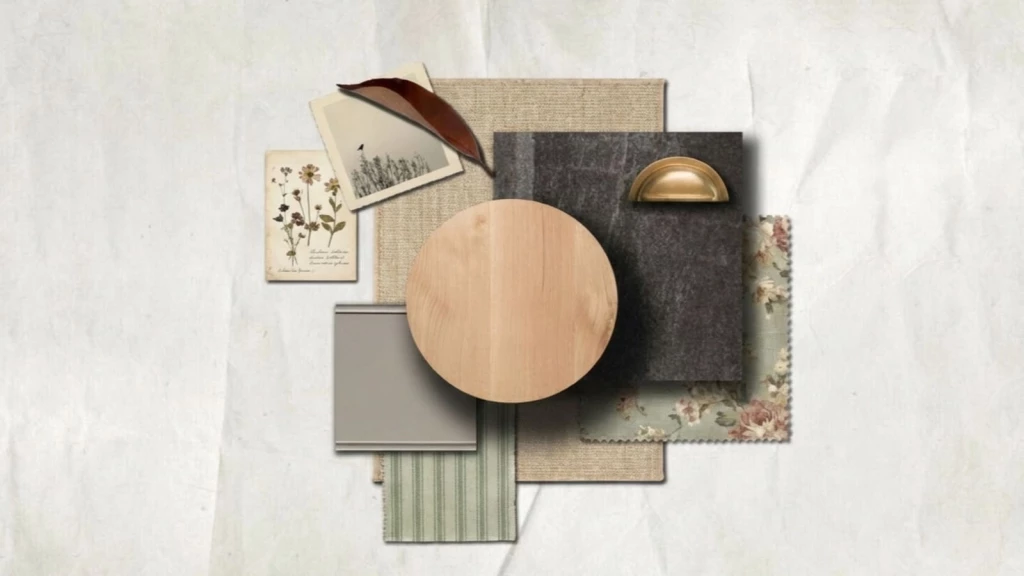
English country house style also draws on heritage, but it approaches heritage more emotionally than ceremonially. It is less interested in polished control and more interested in atmosphere. At its best, it evokes a set of qualities that are almost the mirror image of old money:
Warmth: a room that feels genuinely welcoming rather than formally composed
Layering: an interior that has clearly accumulated over time rather than been curated in one sweep
Humanity: spaces that show evidence of real life, real use and real personality
Ease: a style that looks as though no one tried too hard, which is, paradoxically, very hard to achieve
This is the world of faded florals, books left open, comfortable upholstery, flowers from the garden, old pottery, useful furniture and rooms that have clearly adapted to everyday life. It is, in the very best sense, a style that looks as though no designer was ever involved.
At the heart of country house style is comfort. Not the slick comfort of a showroom sofa, but the kind that invites you to sit down properly, put your feet up and stay for hours. Everything else in this style flows from that single priority.
The palette takes its cues from the landscape, and that connection is not incidental. Moss, sage, terracotta, chalk, butter yellow, faded blue and soft rose all feel naturally at home because they echo gardens, hedgerows, fields and weathered materials. There is something inherently seasonal about these tones, and that is precisely the point. The room should feel connected to the world outside it.
Pattern is part of the language here in a way it simply is not in old money design. Florals, chintz, toile, checks and tartans are often layered together, and when handled well the result is warmth rather than chaos. The trick is not perfect matching. It is tonal harmony and the confidence to commit.
Furniture is mixed rather than coordinated, collected rather than composed. A large sofa beside a painted side table, an inherited chest, a Victorian chair and a lamp with a pleated shade: the room feels assembled over time, not bought in a single weekend. And signs of use are not treated as defects. A softened rug, worn chair arms, old boards and uneven patina all add credibility rather than undermining it.
Country house style accepts, quite simply, that beauty and life are not separate things. In a world of relentlessly over-styled interiors, that is a rather refreshing position to take.
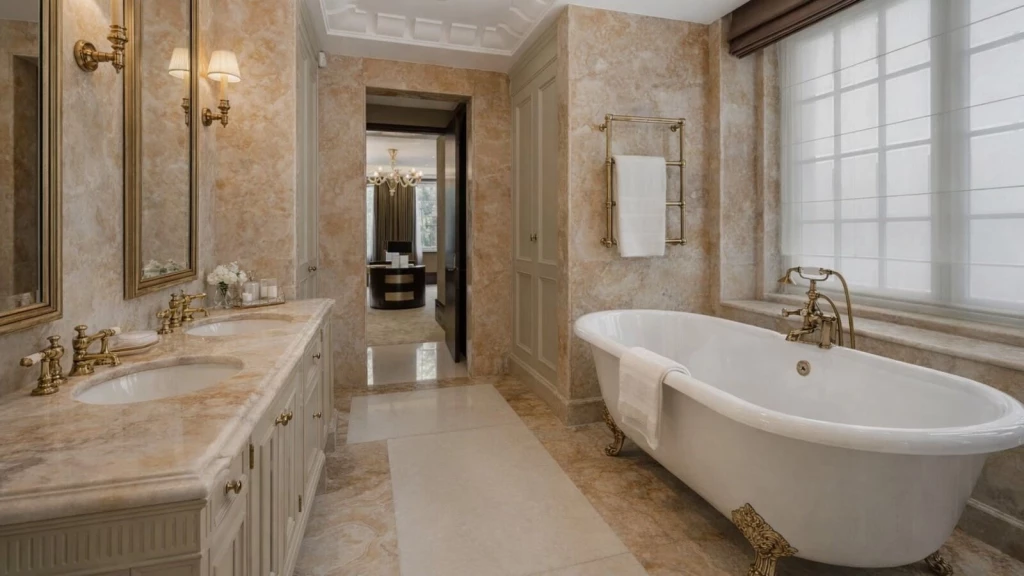
If you had to reduce the contrast to a single sentence, it would be this: old money is polished and formal, while country house is layered and relaxed.
The easiest way to picture that contrast is through setting.
An old money drawing room is the London townhouse version of heritage. Think leather, polished timber, controlled colour, a portrait above the fireplace, symmetry around the mantel and a mood that leans towards urbane confidence.
An English country house sitting room is the rural version of heritage. Think florals, books, lamps, generous upholstery, mixed antiques, rugs on boards, and a room that seems to welcome muddy dogs, Sunday papers and another armful of flowers from the garden.
Neither is inherently better. They simply produce different emotional results. One is edited. The other is layered. One communicates reserve. The other communicates ease.
Colour is one of the quickest ways to separate these two styles, and it is worth spending time getting it right.
Old money interiors usually begin with a restrained base. Cream, stone, taupe, parchment and warm grey create a quiet backdrop. Depth then comes through more concentrated tones such as navy, bottle green, burgundy or deep brown. The effect is calm and controlled. Even when the colours are rich, they rarely feel playful.
Country house interiors are more generous with colour. Earthy greens, ochres, terracotta, muted blue, old rose and buttery yellows all feel at home because they echo the landscape and the changing seasons. Rooms often feel sun-warmed rather than polished.
Another key difference lies in where colour sits.
In old money schemes, the stronger shades are often carried by furniture, books, rugs or drapery. In country houses, colour may appear everywhere: on painted joinery, on walls, in wallpaper, across upholstery, on lampshades and even on the ceiling.
That broader distribution of colour is one reason country interiors often feel more informal and expressive. Old money rooms, by contrast, feel cooler, more composed and more measured.
Wall treatment is another clear indicator of which direction a room is heading.
In an old money interior, walls are usually restrained. That might mean painted plaster in a quiet shade, wood panelling, or a refined wallpaper with a subtle repeat. The goal is texture and depth without visual chatter. Joinery tends to feel crafted and deliberate, often in stained timber or dark paint.
An old money library, for instance, may rely on panelled walls, a grasscloth inset, leather-bound books and a limited colour palette. The richness comes from material quality and tone, not from overt pattern.
Country house walls are more likely to make a statement. Floral wallpaper, toile, painted panelling, plate rails, soft distemper-like finishes and decorative layering all sit comfortably in this world. You may see pattern across full walls, across alcoves, or above dado height with painted timber below.
There is often more softness too. Curtains, gathered blinds, artworks, ceramics and lamps combine with the wall treatment to create a room that feels wrapped rather than framed.
In short, old money uses walls to establish quiet authority. Country house style uses them to build atmosphere.
Furniture tells you very quickly whether a room is leaning towards formality or comfort, and this is where the two styles begin to feel genuinely distinct. It is also where the discipline of designing sensory residential spaces becomes most relevant, because the materials, textures and proportions of furniture do not just determine how a room looks. They determine how it feels to be inside it.
Old money interiors favour fewer, better pieces. Mahogany, walnut and dark-stained timber are common. Sofas and chairs have classical lines: Chesterfields, camelbacks, club chairs, wingbacks and bergeres.
Layout matters as much as the objects themselves, so furniture is placed with composure and balance. The room communicates authority before anyone has sat down. Materials reinforce that sense of refinement: leather, velvet, wool, silk, cashmere, marble and antique brass. There is a deliberate richness to the tactile experience, but it is always controlled. Even the softness is tailored.
Country house furniture works quite differently. The room builds through accumulation rather than composition. A painted cupboard, farmhouse table, slipcovered sofa, old side chair, footstool and pine chest may all sit together happily.
The charm lies entirely in the mix, and the sensory experience it produces is one of warmth and ease rather than considered elegance. Fabrics are more tactile and forgiving: linen, wool, cotton, tweed and worn leather. Surfaces are allowed to feel handled, even loved.
Where an old money room asks you to be present in a particular way, a country house room simply asks you to relax. Old money asks each piece to justify its presence. Country house style asks whether the room as a whole feels warm, plausible and alive.
This is where the distinction becomes even more obvious, and where many people go slightly wrong.
Old money rooms usually rely on fewer decorative gestures, but they give those gestures more weight. A large gilt mirror, a portrait, a marble lamp, a tray of books, a silver frame, a pair of candlesticks, a well-placed vase, or a polished drinks table may be enough. The room feels considered.
Country house interiors are more generous with detail. They may include stacks of books, smaller pictures grouped together, family photographs, pottery, flowers, baskets, textiles and objets picked up over time, along with the slightly irregular compositions that make a room feel inhabited rather than staged.
Even flowers behave differently in the two styles. In old money interiors, flowers tend to be restrained and sculptural. In country interiors, they may look as though they were cut from the garden ten minutes ago and pushed into whatever vessel was nearest. (Both approaches are entirely valid, for what it is worth.)
Lighting follows the same pattern. Old money interiors favour elegant symmetry: matching lamps, wall lights and a controlled glow. Country house rooms often scatter pools of light more freely, with table lamps, shaded floor lamps and softer, more domestic lighting arrangements.
The simplest distinction, perhaps, is this: old money edits, country house layers.
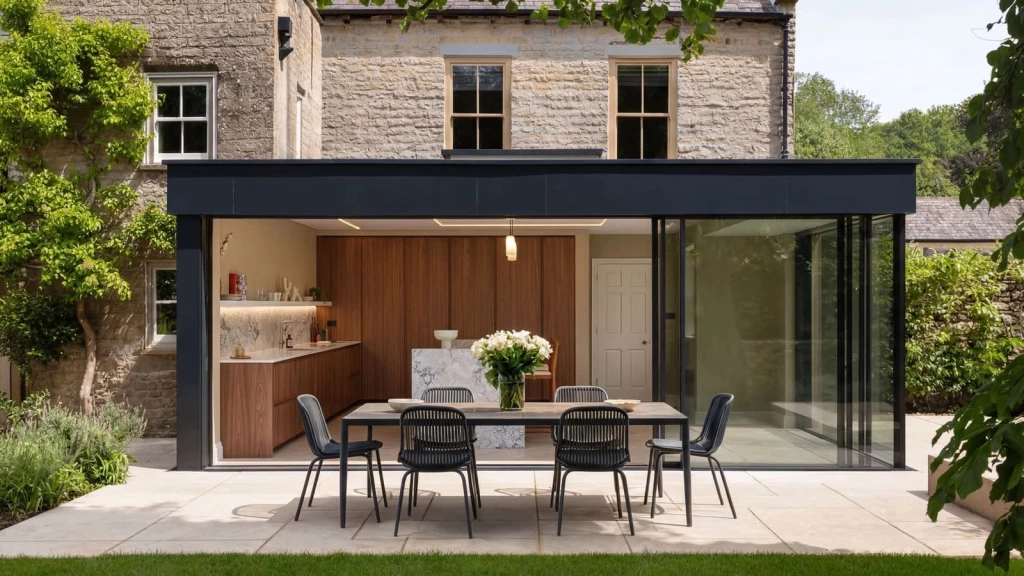
The architecture of the house should always lead the design conversation. It is not something to work around; it is something to work with, and in many cases it carries legal obligations that will shape every decision before a single piece of furniture is chosen.
London townhouses, mansion flats and formal Victorian or Georgian interiors often carry strong symmetry, higher ceilings, deeper cornices and a more ceremonial room sequence. Those qualities sit naturally with old money style because the architecture itself already leans towards order and hierarchy.
Country houses make a completely different argument. Exposed beams, uneven walls, stone floors and deep fireplaces all call for softness, layering and a more relaxed material palette. In both cases, the building is already telling you what it wants.
That conversation becomes considerably more complex in listed buildings, and both styles are frequently found in them.
A Grade I or Grade II listed property may contain original joinery, historic plasterwork, period fireplaces, stone flags or timber panelling that cannot be altered, removed or obscured without listed building consent from the local planning authority.
That is not a bureaucratic inconvenience. It is a material constraint that has to be understood and respected at the very start of the design process, because the consequences of getting it wrong, financially and legally, can be severe.
Listed buildings are not the only context where consent matters. Most leasehold flats in London, whether in a period conversion, a mansion block or a modern development, will require a licence to alter from the freeholder before any significant refurbishment can begin.
Proceeding without one is a breach of lease, and the consequences can follow a property through multiple sales. It is a consent that should be pursued from the outset, not treated as an afterthought once the design has been agreed.
In practice, the features that carry these protections are often an asset. Original cornices, fireplaces and period joinery do much of the heavy lifting for an old money scheme. Stone floors and exposed timbers do the same for a country house interior. Understanding what the building will and will not allow is not a limitation on good design. It is, more often than not, the very thing that makes it possible.
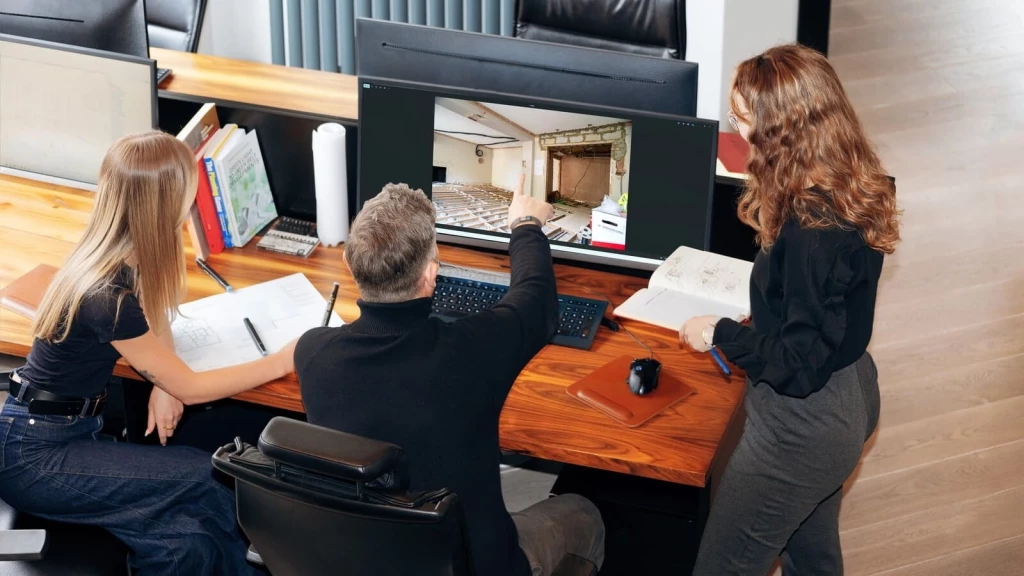
The contrast between the two interior design styles becomes particularly clear when you move through the house room by room. So let us do exactly that.
An old money living room often centres on symmetry: two sofas or a balanced grouping of armchairs, a strong mantel, a large rug, darker woods and an ordered composition.
A country house sitting room usually feels looser, with a large comfortable sofa, mixed seating, layered rugs, more visible pattern and a greater sense of casual use.
Old money dining rooms tend towards polished timber, more formal chairs, controlled lighting and a stronger sense of occasion.
Country dining rooms are more likely to feature painted or farmhouse tables, mixed chairs, pottery, layered textiles and a mood that feels social rather than ceremonial.
An old money kitchen often reads as tailored and architectural, with panelled joinery, refined materials and a degree of visual discipline.
A country kitchen tends to be more obviously domestic, with painted cabinetry, open shelves, dressers, practical storage and a softer relationship between utility and decoration.
Old money bedrooms lean elegant and composed, with coordinated bedside tables, more formal headboards, restrained colour and richer materials.
Country bedrooms may feel softer and more romantic, with quilts, floral curtains, painted furniture and an easier mix of objects.
If there is one room that naturally belongs to old money style, it is the library. Dark joinery, leather, books, art and a more club-like atmosphere fit perfectly.
Country studies can still be beautiful, but they usually feel lighter, more informal and less ceremonial.
Old money hallways often prioritise first impressions: polished flooring, portraiture, symmetry and a sense of arrival.
Country hallways may be less formal and more practical, with runners, hooks, baskets, flowers and a stronger sense of everyday use.
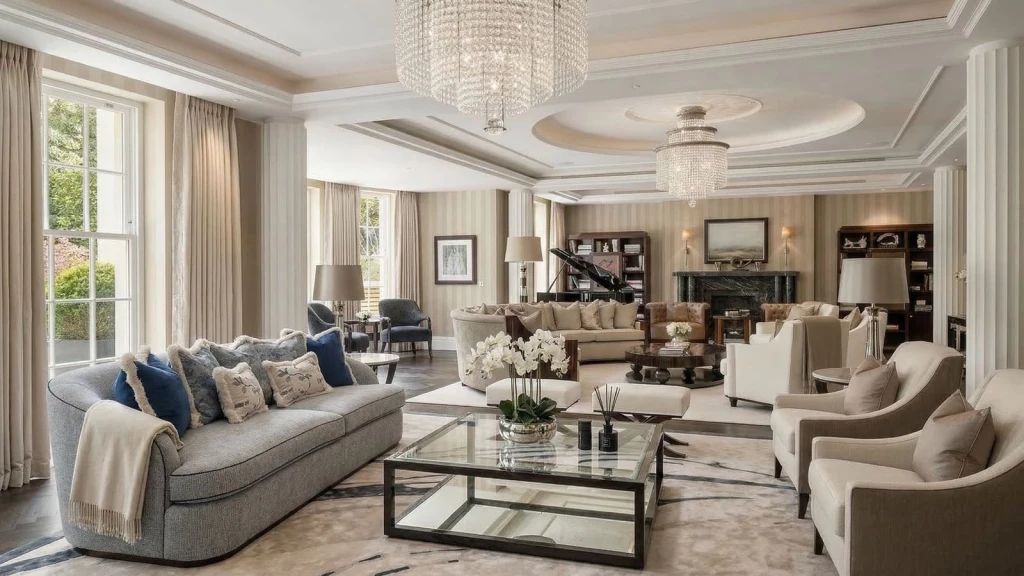
Old money style often works particularly well in period London homes because the architecture already carries many of the right cues.
Victorian, Edwardian and Georgian properties frequently offer tall ceilings, detailed joinery, fireplaces, sash windows and clearly defined reception rooms. These elements respond well to richer materials, more formal arrangements and a stronger sense of decorative discipline.
In a Victorian flat, for example, old money style may mean keeping the walls relatively calm, using one or two deeper accent colours, introducing a Persian or Aubusson rug, choosing a sofa with a classic profile and allowing the fireplace and ceiling detail to remain part of the visual hierarchy.
In a Georgian townhouse, symmetry can become even more important. Matching tables, paired lamps, balanced artworks and carefully judged upholstery all reinforce the original logic of the building.
The point is not to turn the home into a film set. It is to work with its proportions, its dignity and its material language rather than against them.
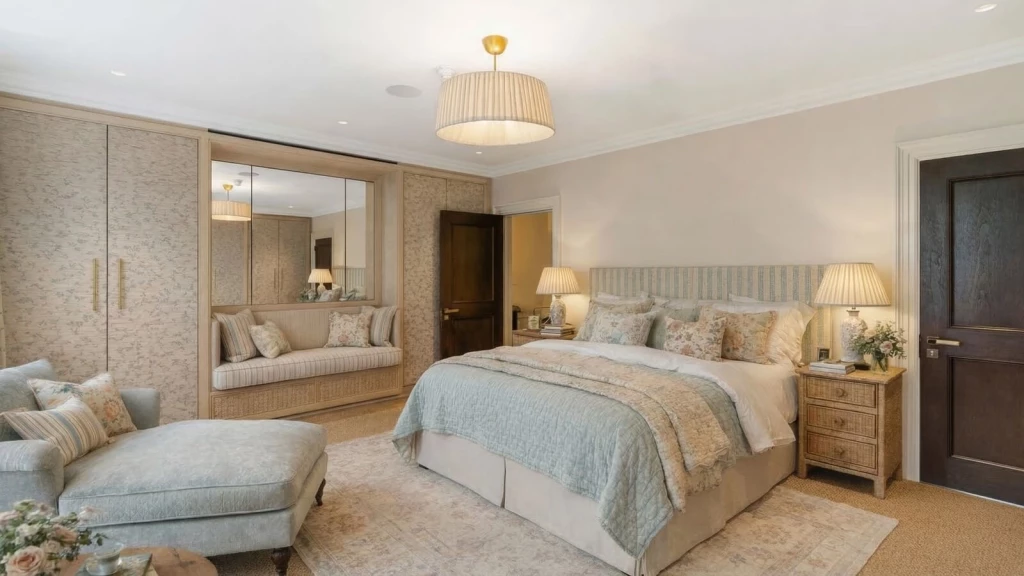
Yes, absolutely, but it requires a degree of judgement that is easy to overlook.
As interior architects working mostly in London, we see one mistake more than any other. People assume that country style in the city means filling a small room with floral wallpaper, oversized antiques and too many accessories. It rarely works. That approach makes the space feel crowded rather than charming, and it is a very easy trap to fall into when you are drawn to the warmth of the style but fighting against the proportions of an urban home.
The solution is simpler than most people expect. Borrow the spirit of country style rather than the entire costume. That may mean natural linens, warmer paint colours, a slipcovered armchair, floral or striped accents, softer lampshades, a painted side table, baskets, books and a few pieces that feel gently irregular. None of that requires a large room or a large budget. It requires good judgement and a clear sense of when to stop.
Pattern, in particular, needs to be scaled carefully. In a smaller flat, one floral chair or one wallpapered wall may be enough to shift the atmosphere entirely. In a larger townhouse you may be able to layer more confidently, particularly in bedrooms, studies or back rooms overlooking the garden where the architecture is already softer and more forgiving.
And never underestimate texture. Even if you keep the palette simple, timber, linen, wool, rattan, ceramics and flowers can introduce the country house feeling without overwhelming the architecture or crowding the space.
So yes, country style can work beautifully in the city. It just has to be edited with the same discipline that the city itself demands.
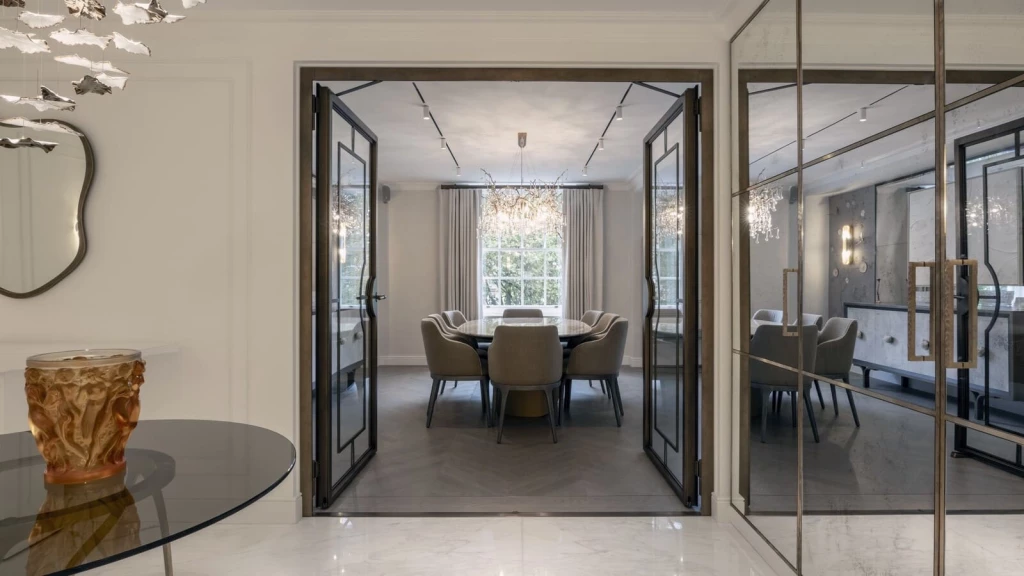
The two terms overlap heavily, but they are not always used in quite the same way, and it is worth understanding the distinction before throwing either phrase around with abandon.
Quiet luxury interior design is the contemporary phrase. It usually describes an understated form of affluence expressed through quality materials, excellent tailoring, muted branding and timeless choices. In interiors, that typically means:
Beautiful finishes and considered materiality over decorative excess
Calm, neutral palettes that prioritise depth over drama
A rejection of anything too trend-led, branded or performative
Spaces that feel expensive without announcing it
Old money includes all of those qualities, but it carries a more specific cultural atmosphere. It suggests heritage, lineage, collection, memory and social ease. Where quiet luxury can feel almost minimal in its restraint, old money is more layered and more rooted in traditional references:
Club rooms, libraries and spaces with a sense of accumulated history
Family portraits, equestrian art and objects with genuine provenance
Antique furniture and inherited pieces alongside carefully chosen contemporary work
A room that feels as though it has evolved over generations rather than been assembled recently
So while quiet luxury is a useful shorthand for the underlying sensibility, old money generally has more historical texture and a more visible connection to continuity. Quiet luxury tells you how a room feels. Old money tells you where it came from.
Traditional interior design is a broad category. It can include Georgian order, Victorian richness, Arts and Crafts warmth, Edwardian gentility, country house layering and much more besides. To understand where old money sits within that spectrum, it helps to map the territory first:
Georgian order and symmetry
Victorian richness and decorative confidence
Arts and Crafts warmth and handmade integrity
Edwardian gentility and refined domesticity
Country house layering and collected informality
Old money sits within that wider universe, but it is not the same thing as traditional design in general. The difference is one of attitude rather than ingredients. A traditional room may simply use period references and classic furniture competently and pleasantly. An old money room does that too, but it also implies something harder to define and considerably harder to manufacture:
Pedigree: a sense that the choices made reflect generations of familiarity with quality
Permanence: a room that feels settled rather than recently assembled
Provenance: objects and materials with genuine history rather than period appearance
Social confidence: an interior that has nothing to prove and knows it
That is why not every traditional room reads as old money. Some feel cottage-like, some feel decorative, some feel reproduced and some feel purely nostalgic. Old money style needs a sharper sense of judgement and a more convincing relationship with quality and provenance than traditional design in general demands.
A useful test, and one worth applying honestly: does the room feel merely traditional, or does it feel inherited, established and quietly assured? The answer to that question will usually tell you everything you need to know.
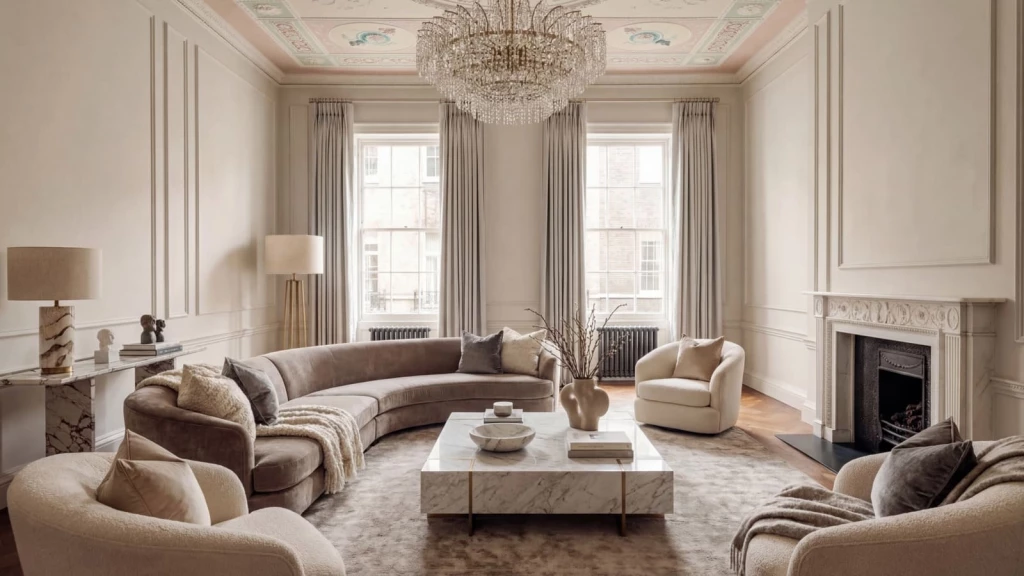
Start with architecture, not accessories. The bones of the building, cornices, fireplaces, panelling, sash windows and door proportions, should lead every decision you make. This is where most people come unstuck, and it is the first thing any chartered architect will tell you.
Keep the palette controlled. Use warm neutrals as the base, then introduce richer shades such as navy, burgundy, forest green or tobacco through upholstery, rugs and drapery.
Choose fewer, better pieces. Prioritise quality over quantity. Knowing what to leave out is a skill that takes years to develop, which is one of the many reasons a good interior designer earns their fee many times over.
Introduce genuine materials. Timber, marble, wool, velvet, leather and brass all help build credibility. Substitutes rarely convince anyone who knows what they are looking at.
Use symmetry where appropriate. Matching lamps, paired chairs and centred compositions strengthen formality without making a room feel stiff.
Layer lighting properly. Table lamps, wall lights and warm ambient light matter far more than overhead illumination. Luxury lighting design is one of the most underestimated disciplines in interior architecture, and almost always worth taking professional advice on before you start.
And above all, avoid trying too hard. That quality of effortlessness is the hardest thing to manufacture and the first thing a knowledgeable eye will notice.
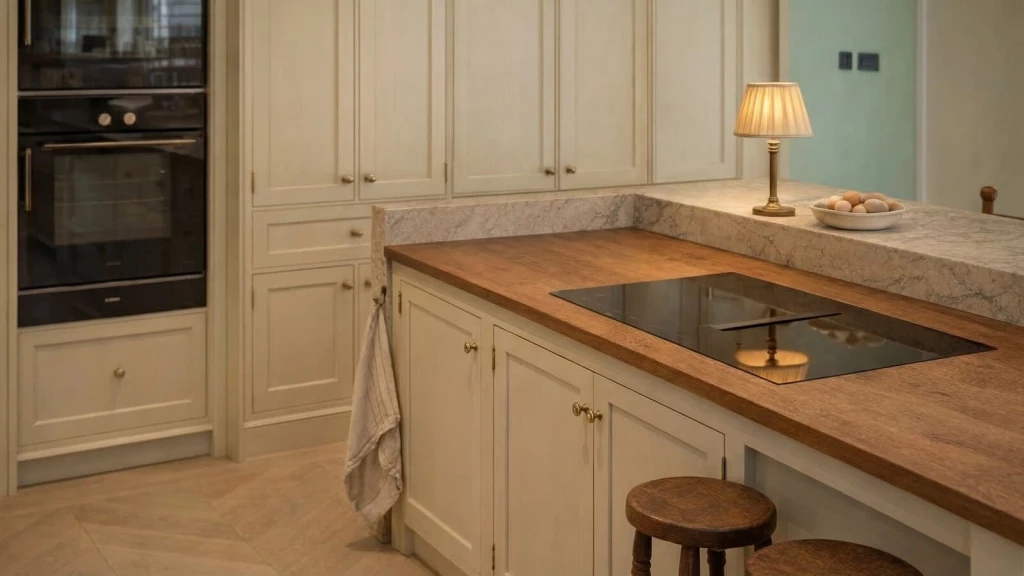
The single most important thing to understand about English country house style is this: it should never look designed. It should look collected. Built gradually, added to over time, shaped by life rather than by a brief. That quality of apparent effortlessness is, paradoxically, one of the hardest things to achieve deliberately, and it is where most attempts at this style either succeed completely or fall noticeably flat.
So where do you start?
Genuinely convincing interiors in this style have usually been shaped over years of considered additions. The best interior designers often describe this as the hardest brief to execute well precisely because it has to look as though no designer was involved at all. They help you build that layered quality with intention rather than leaving it entirely to chance. Rushed country house interiors almost always look exactly that: rushed.
Mix patterns with confidence. Florals, stripes, checks and textured plains can work beautifully together if the colours relate. This sounds straightforward. It rarely is, and it is one of the areas where professional guidance makes the most tangible difference between a room that feels rich and one that feels chaotic.
Colour follows the same logic. Use it more generously than you think you should, but generous does not mean undisciplined. Understanding how sage, ochre, blue and rose behave in your particular light conditions, morning versus afternoon, north-facing versus south, is worth getting right from the start rather than repainting six months later.
Comfort should be prioritised above almost everything else. Choose upholstery you genuinely want to live with, not just photograph. A sofa that discourages you from sitting properly has missed the entire point of this style.
Let old and new coexist. A painted table, an inherited chair, a modern lamp and old pottery can sit together beautifully if the atmosphere is right. Creating that atmosphere intentionally, rather than by happy accident, is precisely where expertise counts.
Bring in nature generously. Flowers, branches and garden clippings strengthen the country house feeling more than almost any piece of furniture can. This is also the one area where no professional guidance and no significant budget is required.
And finally, resist the urge to over-style. The room should feel easy, not themed. That quality is deceptively difficult to manufacture, which is why the most convincing country house interiors are almost always the product of experienced hands working quietly in the background.
Let us start with the mistake we see most often.
Someone decides they want an old money interior, paints everything an expensive shade of off-white, buys a few carefully chosen pieces and then wonders why the room feels cold rather than considered.
The answer is that old money style is not beige minimalism with a higher price tag. It relies on depth, texture and the feeling of accumulated history. Strip all of that out and what you are left with is just an expensive empty room.
The country house equivalent is almost the opposite problem. People confuse warmth with random accumulation and charm with clutter, so they fill every surface, layer every pattern and add one more object when they should have stopped two objects ago.
Collection of borrowed ideas is not a layered charm. Every room, however relaxed its intentions, still needs editing, rhythm and breathing space. Character is not the same as chaos.
Then there is the mistake that cuts across both styles: importing aggressively modern elements without thinking about how they land. Mirror-polished metals, harsh downlighting and visible technology will undermine both aesthetics quickly if dropped in without integration.
The deeper issue, and the one most people do not consider until it is too late, is construction.
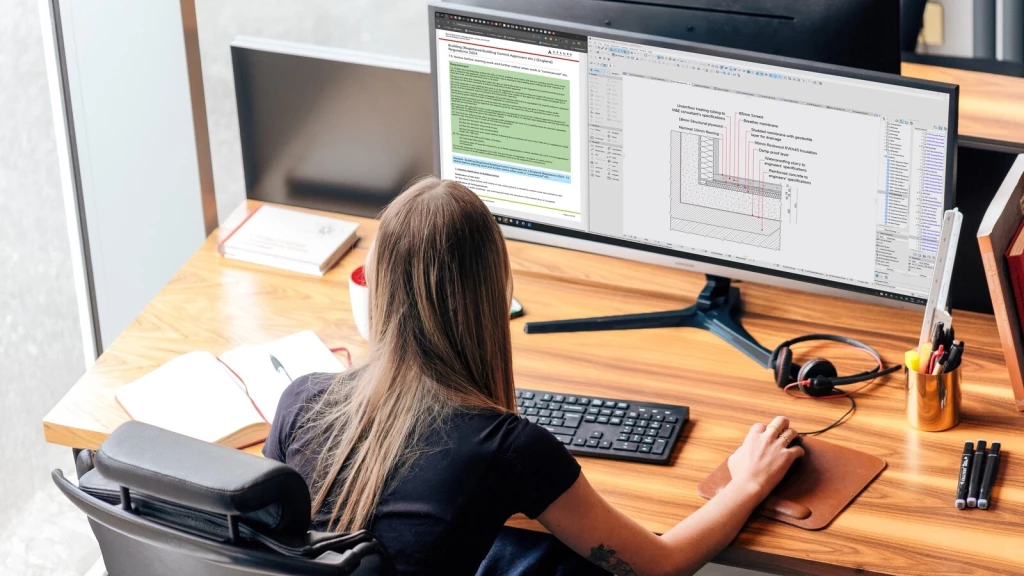
A beautifully specified interior will be undermined by joinery, plastering, plumbing or lighting that was not properly resolved during RIBA Stage 4 technical design, the stage at which every detail, specification and coordination issue should be fully worked out before a single contractor is appointed.
By the time RIBA Stage 5 construction begins and the trades are on site, the window for fixing those decisions without significant cost and disruption has already closed.
This is why construction management matters as much as the concept interior design itself. The most carefully considered scheme can unravel entirely on site if the technical design was not properly resolved, the contractor was not properly briefed, and nobody with genuine authority is overseeing the gap between what was specified and what is being built.
The question we are asked more than almost any other is some version of this: which style is actually right for my home? And the honest answer, from an architectural standpoint, is always the same. The building itself should have the loudest voice in that conversation.
Here is why.
A Georgian townhouse, a Victorian mansion flat or an Edwardian terrace already carries specific proportions, ceiling heights and joinery details that have been doing particular work for over a century. That building is already leaning towards old money style before a single decision has been made. Working against that logic is not bold or original. It is simply expensive and unconvincing.
A cottage, a rectory, a converted barn or a farmhouse is making a completely different argument. Lower ceilings, irregular walls, stone floors and exposed timbers all call for softness, layering and a more relaxed material palette. Imposing rigid formality on a building with that kind of character rarely works, and when it does not, the cost of undoing the damage can be considerable.
Where things get more interesting is in homes that sit between the two poles, and in London especially, there are many of them. In these cases the right answer is rarely a single style applied uniformly throughout. It is a considered brief that assigns the appropriate register to each part of the house: old money formality in the principal reception rooms, a softer country sensibility in the kitchen and family spaces.
When we start a new project, we always come back to three questions.
Does the architecture want order or softness?
Do you want the room to feel formal or welcoming first?
Are you more drawn to curation or to layering?
They are simple questions. But the answers almost always point clearly, and immediately, in one direction.
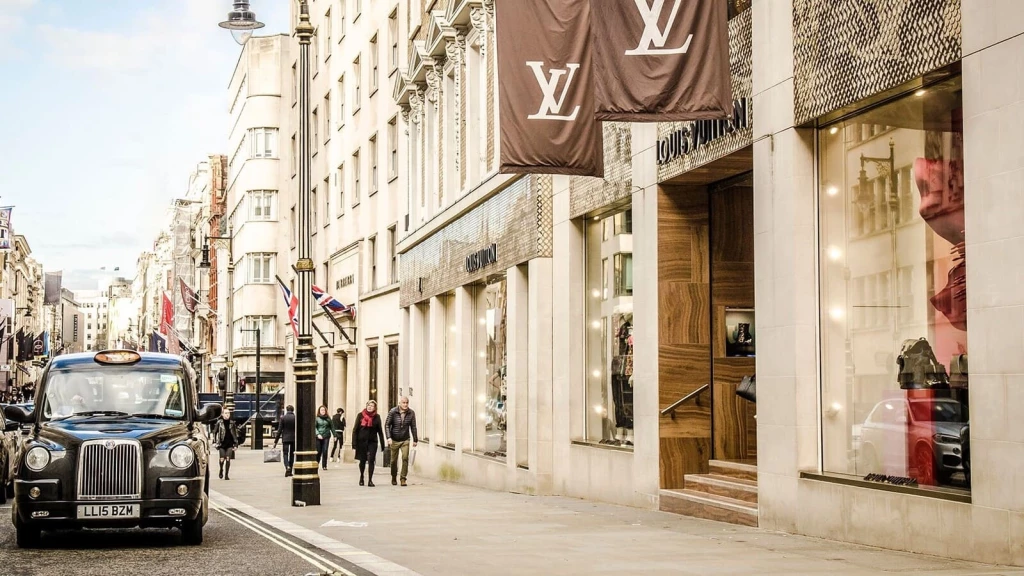
It can be helpful to anchor these styles through familiar references, provided you do not copy them too literally. Think of them as tonal guides rather than shopping lists. And here is something worth knowing: some of the clearest references come not from the world of interiors at all, but from fashion.
Start with The Row. It is perhaps the most useful single reference for understanding old money interior design. Its aesthetic is built on precise proportion, extreme material quality and the complete absence of anything unnecessary. Translate that sensibility into a room and you have the old money interior at its most refined: nothing loud, nothing superfluous, everything exactly where it should be.
Loro Piana operates on a similar frequency, but with a softer touch. The brand's identity is rooted in the finest natural fibres handled with absolute restraint. In interior terms, think cashmere throws, unlined linen curtains, undyed wool upholstery and a palette so quiet it almost disappears. This is the material language of old money at its most understated.
Then there is Brunello Cucinelli, who adds something neither of the above quite captures. Where The Row is urban and architectural, Cucinelli leans more humanist, more connected to craft and landscape. His aesthetic bridges old money and country house style, suggesting quality that feels rooted in place rather than purely in pedigree. It is a useful reference precisely because it sits between the two styles rather than belonging entirely to either.
Bottega Veneta, particularly under its recent creative direction, takes things in a different direction again. The intrecciato weave, the deep earthy tones, the refusal to display a logo: all of these translate directly into an interior philosophy built on texture, depth and quiet confidence rather than visible branding. For the more considered, less overtly formal end of old money design, it is one of the strongest references available.
Berluti brings yet another quality to the conversation: the patinated, the polished, the beautifully aged. In interior terms, this translates to leather, dark timber, antique brass and surfaces that improve with use. It is the reference to reach for when an old money room needs to carry that club-like, slightly masculine register that the style sometimes demands.
Moving towards the country house end of the spectrum, Zegna is worth considering carefully. Its recent pivot towards what the brand calls natural luxury, textured fabrics, earthy tones, an emphasis on landscape and provenance, maps directly onto the instincts that make a country house interior feel grounded rather than merely decorative.
And finally, Metier. The London accessories brand is a quieter reference than the others, but in some ways a sharper one. Its aesthetic is precise, considered and entirely without noise. For interiors, it makes a single but important point: a few genuinely excellent objects given proper space will always do more than a room full of things competing for attention.
What all of these references share is the same underlying conviction. Style is the product of atmosphere and judgement, not of labels or formulas. That principle applies as much to a drawing room in Belgravia as it does to a sitting room in the Cotswolds.
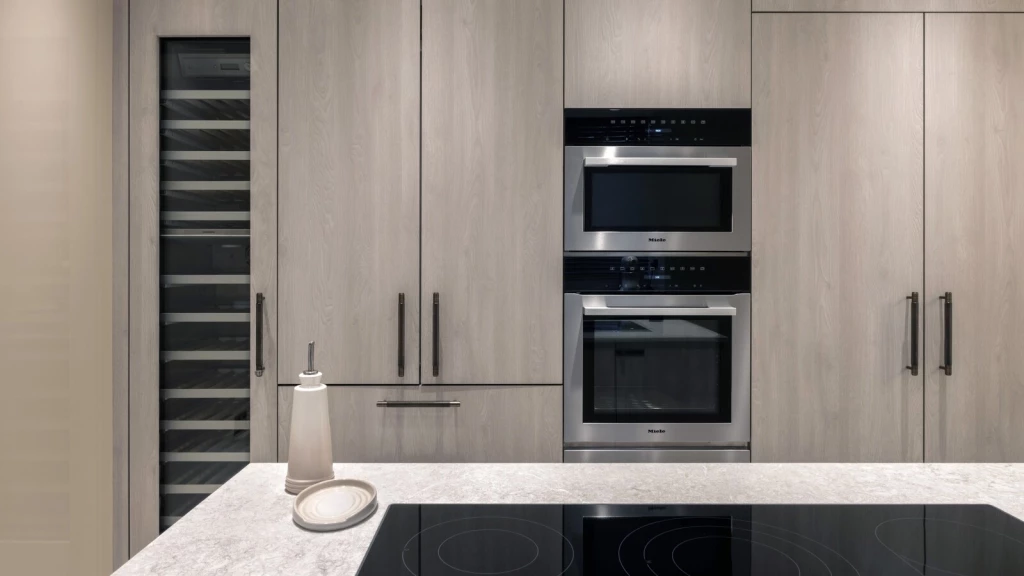
Fashion gives us the vocabulary. Furniture and interior brands give us the room itself. The same principles apply: use these as tonal references rather than prescriptive lists, and resist the temptation to buy an entire scheme from a single source. With that in mind, here is where we would start.
For English country house style, Soane Britain is one of the most precise expressions available today. Its furniture, fabrics and lighting carry exactly the right combination of craftsmanship, eccentricity and quiet confidence. Nothing feels mass-produced, nothing feels try-hard, and the brand's deep roots in traditional British making give it a credibility that is genuinely difficult to replicate.
George Smith occupies similar territory but with a slightly grander register. Its upholstered furniture, particularly the sofas and armchairs, has the generous scale and considered detailing that country house interiors demand. These are pieces built to last decades. That, ultimately, is the point.
For old money interiors, Nicholas Haslam's furniture and fabric collections are among the most useful references in the market. The aesthetic is urbane, layered and entirely at ease with formality. It sits naturally in period London rooms and carries the kind of social confidence that old money style requires without ever needing to announce it.
Then there are the fabric houses, and here the choice matters enormously. GP and J Baker, one of the oldest in Britain, remains essential for both styles. Its archive of documentary prints, woven textiles and traditional patterns provides exactly the kind of depth and provenance that neither style can do without. Colefax and Fowler fabrics are worth considering in their own right too. The prints, chintzes and woven plains carry decades of refinement and sit naturally across both styles depending on how they are deployed.
Underfoot, the choice is just as telling. Crucial Trading offers natural fibre options, sisal, seagrass, jute and wool, that work beautifully in both contexts. In an old money interior they provide a quiet, textured base. In a country house they add warmth and informality. Simple, but enormously effective.
Bathrooms deserve the same level of attention as any other room, and the brands you choose here will define the register of the space as clearly as anything else. Catchpole and Rye is perhaps the most obvious choice for country house bathrooms. Its roll-top baths, high-level cisterns and cross-head brassware carry exactly the right degree of period authenticity without tipping into pastiche. The craftsmanship is exceptional and the aesthetic has aged well precisely because it was never chasing a trend.
Lefroy Brooks occupies a slightly more urbane position and works well across both styles. Its classical brassware has the restraint and precision that old money bathrooms require, while remaining warm enough to sit comfortably in a more relaxed country setting.
For period London homes where the bathroom needs to feel as carefully resolved as the principal reception rooms, Oasis Bathrooms is worth knowing well. Its furniture-based approach, with painted vanity units, freestanding pieces and a palette drawn from traditional interior colour rather than sanitaryware convention, makes it a natural fit for both styles. In an old money context the result is refined and architectural. In a country house setting it feels warm, domestic and entirely believable.
Kitchens, perhaps more than any other room, reveal whether a scheme has been properly thought through. For country house interiors, deVOL remains the clearest reference. Its painted cabinetry, open shelving, freestanding dressers and quietly imperfect finishes capture the domestic warmth of the country kitchen better than almost anything else available. It is a brand that understands the difference between a kitchen that looks lived-in and one that merely looks designed.
Plain English operates in similar territory but with a sharper, more architectural edge, making it equally at home in a period London townhouse. The joinery is exceptional, the palette considered, and the overall effect is of a kitchen that has simply always been there.
Finally, lighting. It is the element most often resolved too late in a project and the one that does most to determine the atmosphere of a finished room. Vaughan Designs is worth knowing well. Its table lamps, wall lights and chandeliers carry the traditional craftsmanship and quiet elegance that both styles depend on, without ever feeling reproduction or pastiche. The range is broad enough to work across formal old money rooms and softer country interiors alike.
What unites all of these brands is the same thing that unites the fashion references in the section above: a commitment to quality, continuity and atmosphere over novelty. None of them are chasing the next trend. All of them are building things worth keeping. And in both of the styles this article has been exploring, that is exactly the right instinct.

We describe ourselves as interior architects rather than interior designers, and that distinction is not pedantry.
In a world where the word designer is applied freely to decorators, stylists and colour consultants alike, we think it is worth being precise about what we actually do: we work from the structure outward, understanding the building before we consider the finish, and ensuring that the construction decisions made early in a project support what is planned for the interior stage.
That way of working matters particularly for the styles this article has been exploring. Both old money design and English country house interiors are unforgiving of weak spatial planning and poor construction, and the atmosphere they depend on cannot simply be applied at the end of a project. It has to be designed from the start, with everyone working from the same brief and to the same standards throughout.
As a RIBA chartered multidisciplinary practice, we bring the full range of expertise in residential architecture, interior architecture and construction management, to every project we take on. Over the last decade we have worked across London and beyond on period townhouses, listed buildings, mansion flats and rural properties of every scale and complexity.
Our projects vary enormously, but the clients share something in common: an understanding that quality at this level requires genuine expertise rather than a mood board and a trade account.
If the ideas in this article resonate, we are always happy to have a straightforward conversation about whether we are the right practice for what you have in mind.
We look forward to learning how we can help you. Simply fill in the form below and someone on our team will respond to you at the earliest opportunity.
The latest news, updates and expert views for ambitious, high-achieving and purpose-driven homeowners and property entrepreneurs.





We specialise in crafting creative design and planning strategies to unlock the hidden potential of developments, secure planning permission and deliver imaginative projects on tricky sites
Write us a message